Explore Your Canal

There are 184.5 miles of towpath and over 20,000 acres of Park land to explore in the C&O Canal National Historical Park. Use our Plan Your Visit website to explore the canal — soon, this website will also be available on our C&O Canal Explorer mobile app!

You can get started on planning your visit here.

Ideas for You to Explore

A Day in Williamsport, Maryland – An Itinerary

About Williamsport, Maryland

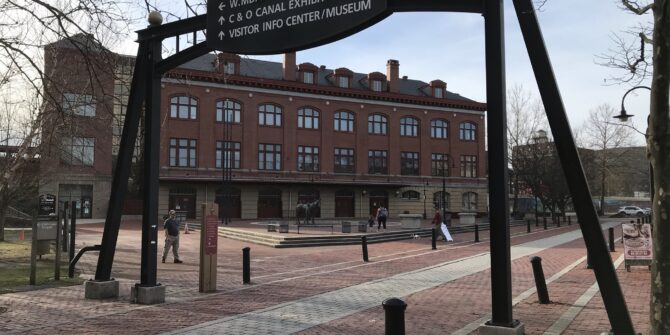
In the earliest debates over where to site the new nation’s capital, the mouth of the Conococheague Creek — where Williamsport now stands — was among the locations seriously considered. The town found its purpose differently: when the C&O Canal came through in the 1830s, Williamsport became a busy transfer point for coal, lumber, and grain moving down the waterway toward the coast, and the Cushwa Warehouse — built around 1790 and still standing on the canal basin — became the physical center of that trade. The floods of 1924 ended the commercial era and left the basin quiet. But the warehouse is now the C&O Canal Visitor Center, its brick walls two centuries thick with river commerce, and the canal at Williamsport is wide, accessible, and very much alive — one of the most welcoming stretches on the entire corridor.

Getting There

Williamsport sits directly on the C&O Canal National Historical Park. From downtown Williamsport, head south on Potomac Street to the Cushwa Basin, where the C&O Canal Visitor Center and canal access are located at Mile 99.6. Ample parking is available for day and overnight use.

The Williamsport Boat Ramp is located at River Bottom Park off Salisbury Road, with parking for about 25 vehicles. A hydroelectric dam just downstream creates a broad flatwater section well-suited for recreational paddling, and the mouth of Conococheague Creek — a major tributary — nearby is a productive spot for smallmouth bass and catfish fishing.

The closest Canal Quarters property is Lockhouse 49, located at mile marker 108.7 near Clear Spring, about nine miles east of town. Built in 1837–1839 and furnished in 1920s style, the lockhouse sleeps up to eight guests, has electricity but no indoor plumbing, and offers a peaceful hilltop setting at the historic Four Locks. Rates are $125/night. Hiker/biker campsites are also available along the towpath near town.

Town Highlights You Don't Want to Miss:

For History Lovers:

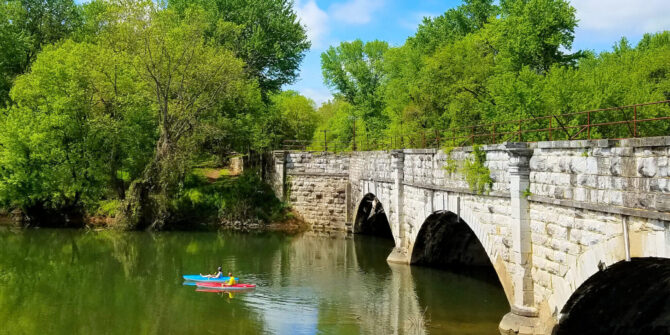
Cushwa Basin Visitor Center — The C&O Canal’s only half-mile stretch that contains all of its major structure types — lockhouse, turning basin, aqueduct, and warehouse — in one continuous view. The NPS visitor center here is one of the better-interpreted stops on the entire canal, and the Conococheague Aqueduct that carries the canal over the creek is a fine piece of 19th-century masonry engineering.

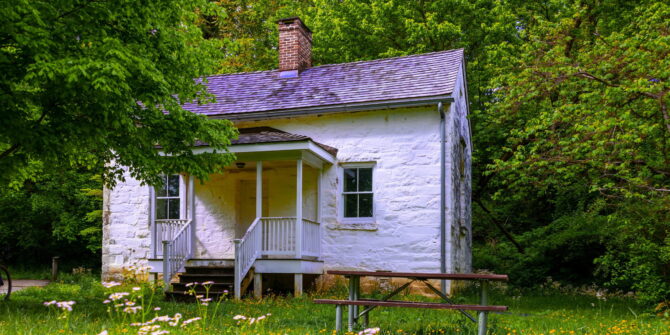
Lockhouse 44 — Built in 1834 from local white and gray limestone at mile marker 99.1, Lockhouse 44 is one of the few surviving lockhouses that still functions as a historical exhibit. Available for tours by request.

For Outdoor Enthusiasts:

The Cushwa Basin launch is one of the most accessible river put-ins on the upper canal. A popular beginner kayak route runs 5 miles along the Potomac past the Conococheague Aqueduct, with the towpath running parallel for those who prefer to stay on land.

Where to Eat and Drink:


Photos by Turner Photography, Rebecca White, Josh Bowers

A Day in Sharpsburg, Maryland – An Itinerary

About Sharpsburg, Maryland

Sharpsburg had the misfortune of sitting between two armies on the morning of September 17, 1862. The Battle of Antietam — the single bloodiest day in American military history, with more than 23,000 casualties before sunset — moved through the cornfields and woodlots surrounding this small farming village and left it forever changed. The C&O Canal, running along the Potomac just below town, served as a Union supply line throughout the Maryland Campaign; the locks at Antietam Creek handled steady military traffic in the weeks surrounding the battle. Today Sharpsburg is a quiet village absorbed by the National Battlefield that encloses it, its streets opening onto the same fields where the fighting raged. The canal towpath here offers a reflective approach — a few miles of river, farmland, and sky before the full weight of the place settles in.

Getting There

The C&O Canal towpath lies about one mile south of Sharpsburg. From the center of town, head south on MD-65 (Sharpsburg Pike) toward the Potomac River, then turn onto Canal Road and follow it to the Antietam Creek Aqueduct parking area. Day and overnight parking is available here. (Please verify exact turn onto Canal Road before publishing.)

Snyders Landing Boat Ramp is located off MD Route 34 on Snyders Landing Road, a short distance from the Antietam National Battlefield. Note that access requires crossing a narrow 10-foot bridge, and the ramp accommodates small boats and hand-carry craft with parking for about 10 vehicles. This section of the Potomac is widely regarded as some of the finest smallmouth bass water on the entire river.

The Jacob Rohrbach Inn is a five-room bed and breakfast in the heart of Sharpsburg, housed in a historic 1804 home steps from the Antietam National Battlefield. Innkeepers Chris and Amy Vincent offer full breakfasts and a warm welcome to history buffs and towpath travelers alike. The Antietam Creek hiker/biker campsite sits at mile marker 69.4 on the towpath, nestled in the woods between the canal and the Potomac River, with 20 sites each equipped with a picnic table, fire ring, and grill.

Town Highlights You Don't Want to Miss:

For History Lovers:

Antietam National Battlefield — On September 17, 1862, the fields around Sharpsburg saw more than 22,000 soldiers killed, wounded, or missing — the bloodiest single day in American history. The park’s self-guided driving tour, ranger programs, and well-designed visitor center make this one of the most moving and well-interpreted battlefields in the country. The Antietam National Cemetery, with its rows of Union graves, is included in the tour.

Pry House Field Hospital Museum — Operating from the Philip Pry farmhouse that served as General McClellan’s headquarters during the battle, this museum focuses on the medical and human experience of Civil War combat — a perspective that sets it apart from most battlefield interpretations.

For Outdoor Enthusiasts:

Antietam Creek Vineyards — Built on a former 55-acre dairy farm adjacent to the battlefield, this winery offers tastings in a beautifully converted barn and grounds that make the most of the pastoral landscape that witnessed so much in 1862. A natural companion to a day on the battlefield or the towpath.

Where to Eat and Drink:

Captain Benders Tavern — A Sharpsburg institution since 1936, Captain Benders is the classic post-battlefield stop: a comfortable tavern with a solid menu of burgers and Maryland crab.

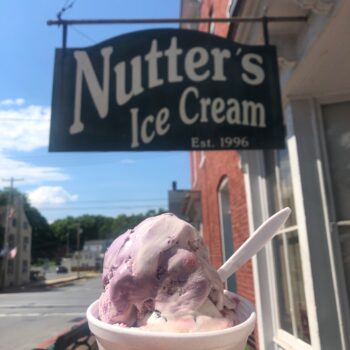
Nutter’s Ice Cream — A beloved local scoop shop that has been a fixture in the area for decades. Save room.

Photos by Turner Photography, Rebecca White, Josh Bowers

A Day in Shepherdstown, West Virginia – An Itinerary

About Shepherdstown, West Virginia

Shepherdstown is West Virginia’s oldest town, and it earned that distinction well before the C&O Canal brought commerce to the Potomac below it. The town’s first claim to national attention came on December 3, 1787, when inventor James Rumsey launched a steam-powered boat from the riverbank here — the first successful public demonstration of steamboat navigation in the country, with a crowd of witnesses and the backing of George Washington. Seventy-five years later, the aftermath of Antietam descended on the town overnight: Shepherdstown’s churches, homes, and college buildings became field hospitals for thousands of wounded soldiers from both sides of the bloodiest day of the Civil War. Today neither layer of history has faded, and neither has the town’s liveliness — Shepherd University anchors a Main Street of restaurants, galleries, and independent shops, and the pedestrian bridge over the Potomac carries towpath travelers directly into all of it.

Getting There

The C&O Canal runs along the Maryland side of the Potomac, about two miles from Shepherdstown’s town center. From the corner of German Street and Princess Street, head east on WV-34 toward the river and cross the bridge into Maryland. The Ferry Hill parking area will be on your left almost immediately after crossing. Day and overnight parking is available here.

The Shepherdstown Access, also known as the Princess Street Boat Ramp, offers a concrete single-lane launch on the West Virginia side of the Potomac with parking for approximately 8 vehicles. Shepherdstown’s ferry was one of the oldest river crossings in the region, operating as early as 1755. Today the area is popular with kayakers and canoeists, with good fishing for smallmouth bass and catfish.

The Bavarian Inn is the standout lodging option in Shepherdstown — a AAA Four Diamond resort perched on a bluff overlooking the Potomac River with 72 rooms, many featuring gas fireplaces, whirlpool baths, and river views. The property also includes a brewery, infinity pool, and award-winning dining. For a quieter stay, the Thomas Shepherd Inn is a well-regarded B&B in the heart of the historic district. Hiker/biker campsites are available on the Maryland towpath just across the river.

Town Highlights You Don't Want to Miss:

For History Lovers:

Historic Shepherdstown Museum — Housed in the 1786 Entler Hotel on the corner of German and Princess Streets, this museum interprets 300 years of life in West Virginia’s oldest town, with rotating exhibits, artifacts, and walking tour maps for the remarkably intact historic district.

Rumsey Steamboat Museum — James Rumsey successfully demonstrated a steam-powered boat on the Potomac River at Shepherdstown in 1787 — four years before Robert Fulton’s famous run. The museum and the nearby monument on the riverbank tell the story of this overlooked chapter in American invention.

Where to Eat & Drink:

Bavarian Inn — The dining room and terrace at the Bavarian Inn, perched on a cliff above the Potomac, is as good as it gets on this stretch of river. The Bavarian Brothers Brewery on site means you can pair the view with something local on tap.

Blue Moon Café — An eclectic favorite in the heart of the historic district with a broad menu, outdoor seating, and the easy vibe of a college town that takes its food seriously.

The Press Room — Fine dining on German Street featuring well-executed pasta, seafood, and meat dishes. A good choice for a special dinner after a day on the towpath.

For Outdoor Enthusiasts:

The Potomac River at Shepherdstown offers flatwater paddling, tubing, and fishing from the Princess Street boat ramp, with the C&O Canal towpath at mile 72.7 providing easy access for cyclists and hikers. The town sits at a natural crossing point used since the 18th century, and the views from the riverbank toward Maryland Heights are among the best on this stretch.

For Arts Lovers:

Contemporary American Theater Festival — Each summer, Shepherd University becomes home to one of the most respected new-play festivals in the country. CATF premieres original American works across several weeks in July, drawing playwrights, directors, and actors from New York and beyond to this small West Virginia college town. Tickets sell out; plan ahead if you’re visiting in summer.

German Street Galleries and Studios — Shepherdstown’s main street has long drawn working artists attracted by the town’s college-town energy and its perch above the Potomac. A walkable stretch of galleries, studios, and artisan shops along German Street carries original work in painting, photography, ceramics, and craft — a self-guided afternoon that holds up on its own, separate from everything else the town offers.

Photos by Turner Photography, Rebecca White, Josh Bowers

A Day in Harpers Ferry & Bolivar, West Virginia – An Itinerary

About Harpers Ferry & Bolivar, West Virginia

Few stops on the canal trail compress American history as tightly as the confluence of the Shenandoah and Potomac rivers. Harpers Ferry was already a federal armory town and a critical Potomac crossing when abolitionist John Brown chose it for his 1859 raid on the arsenal — an act that jolted the nation toward civil war. The town changed hands eight times during the conflict, and the C&O Canal just across the river ran with the logistical traffic of armies. After the armory closed for good and the floods kept coming, Harpers Ferry shrank into a fragile stillness that the National Historical Park now preserves rather than erases. Today the 19th-century lower town is intact, the Appalachian Trail passes through on its way north, and river outfitters put paddlers on two rivers at once. Above the historic district, the quieter hilltop community of Bolivar adds local cafés and neighborhood calm to a stop already rich with everything else.

Getting There

The C&O Canal runs along the Maryland side of the Potomac River, approximately two miles from the Harpers Ferry Historic District. From Shenandoah Street in the historic district, head east on US 340 across the bridge into Maryland and follow signs to the canal and Appalachian Trail parking area. Day and overnight parking is available here. (Please verify the exit/access road name on the Maryland side before publishing.)

The Harpers Ferry Access Area sits at one of the most dramatic river confluences on the East Coast, where the Shenandoah River meets the Potomac at the foot of the historic district. The lower Shenandoah offers Class I–III whitewater for kayakers and rafters, and the area holds smallmouth bass, catfish, and sunfish. Several outfitters including River Riders and Harpers Ferry Adventure Center offer rentals and guided trips. Note: swimming is prohibited by the National Park Service due to underwater hazards.

The Town’s Inn places guests in the heart of the Harpers Ferry National Historical Park, housed in two pre-Civil War stone residences dating to around 1840. The inn’s Bistro 1840 and Café Shoppe are on site. For something more rugged, the Huckleberry Hill hiker/biker campsite sits at mile marker 62.9 on the towpath, on the Maryland side of the river. Multiple outfitters including River Riders also offer cabin and vacation rental options in the surrounding area.

Town Highlights You Don't Want to Miss:

For History Lovers:

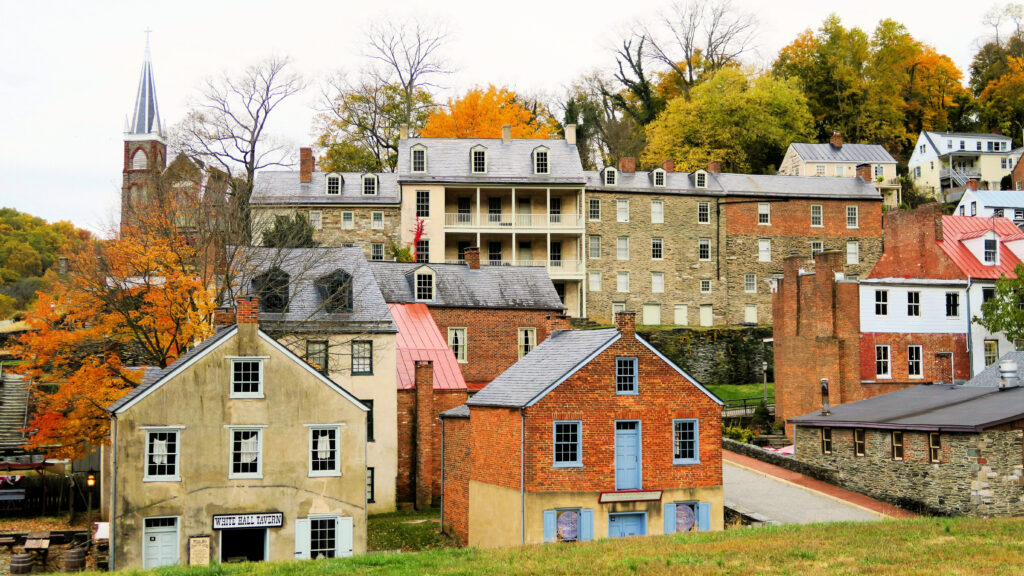
Harpers Ferry National Historical Park — Few towns in America carry as much historical weight per square foot as Harpers Ferry. The entire lower town is a living museum, with 19th-century buildings housing exhibits on John Brown’s 1859 raid, the U.S. Armory, and the Civil War. Start at the Visitor Center on Shoreline Drive and take the shuttle into the historic district.

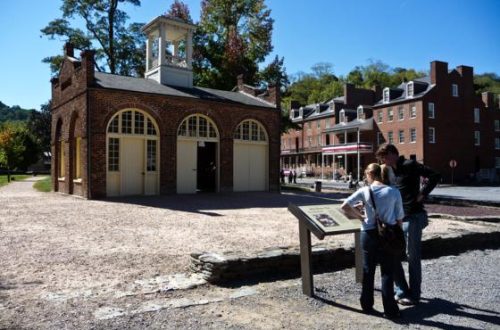
John Brown’s Fort — Originally the armory’s fire engine house, this small brick building is where abolitionist John Brown made his final stand in 1859 before being captured by U.S. Marines under Robert E. Lee. It is the most visited historic site in West Virginia.

Where to Eat & Drink:

Cannonball Deli — A trail favorite at 148 High Street, the Cannonball serves overstuffed sandwiches, burgers, ramen, chili, and hand-dipped ice cream. Open daily, with indoor and patio seating.

Secret Six Tavern — Named for the group of wealthy abolitionists who backed John Brown’s raid, Secret Six offers solid food, good beer on tap, and an outdoor patio with views of Maryland Heights. A fitting place to raise a glass to a complicated history.

For Outdoor Enthusiasts:

Jefferson Rock — A short hike from the lower town along the Appalachian Trail leads to this famous overlook, where Thomas Jefferson stood in 1783 and declared the view “worth a voyage across the Atlantic.” The view of the Shenandoah and Potomac rivers converging in the gorge below lives up to the billing.

Maryland Heights Trail — For a more demanding day out, the Maryland Heights Trail climbs steeply to a Civil War overlook with panoramic views of the Harpers Ferry gap. The 4-mile round trip is considered one of the best hikes in the region.

For Arts Lovers:

Mountain Heritage Arts & Crafts Festival — Held each year in the Harpers Ferry–Bolivar area, this festival draws artisans from across the Appalachian corridor for a weekend of traditional craft demonstrations — woodworking, pottery, weaving, and handmade goods rooted in the region’s material culture. It’s one of the most atmospheric craft events in the Mid-Atlantic, set against a backdrop that needs no enhancement.

High Street Galleries and Artisan Shops — The same dramatic confluence that Thomas Jefferson called “worth a voyage across the Atlantic” has been drawing artists to Harpers Ferry for centuries, and the storefronts along High Street still reflect that tradition. Independent galleries and artisan shops carry locally made work ranging from landscape painting to handcrafted jewelry. The exploration continues uphill into Bolivar, where a quieter neighborhood feel and a growing café and bakery scene make for a natural second chapter to the day.

Photos by Turner Photography, Rebecca White, Josh Bowers

A Day in Brunswick, Maryland – An Itinerary

About Brunswick, Maryland

Before it was a railroad town, this bend of the Potomac was known as Eel Town — a name the Susquehanna people gave for the abundance of fishing in the river. The B&O Railroad transformed it in the 1880s, buying land along the canal right-of-way, building one of its largest freight yards, and naming the new incorporated town in tribute to the German workers from Brunswick who had come to operate the line. For two generations, Brunswick lived by the rhythm of freight runs and shift schedules; the canal it displaced had run nearly the same hours for forty years before.

Today the MARC Brunswick Line still stops here every morning, but the town has grown into a destination in its own right with a craft brewery in a restored fire station, a café inside a Gothic stone church, and a Heritage Museum that tells the full arc from canal era to railroad age and back again.

Getting There

Brunswick sits directly on the C&O Canal National Historical Park at Mile 55. A large parking lot is available here for day and overnight use.

The Brunswick Boat Ramp is located at the southern end of South Maple Avenue, just past the railroad tracks. River & Trail Outfitters, based nearby, offers kayak and canoe rentals for those who want to explore this stretch of the Potomac. The river between Brunswick and Point of Rocks is known for smallmouth bass and catfish.

While there’s no Canal Quarters lockhouse in Brunswick itself, the town is well set up for overnight visitors. Brunswick Family Campground sits right between the towpath and the river and includes showers — a welcome amenity after a day on the trail (be prepared for railroad noise). Hiker/biker campsites are available along the towpath on a first-come, first-served basis. For those wanting a roof overhead, the nearest Canal Quarters lockhouse is Lockhouse 28 in Point of Rocks, about seven miles east.

Town Highlights You Don't Want to Miss:

For History Lovers:

Brunswick Heritage Museum — The centerpiece of this railroad town’s story is the museum’s jaw-dropping 1,700-square-foot HO-scale model railroad, which recreates the B&O Metropolitan Subdivision from Brunswick’s rail yard all the way to Washington’s Union Station. Exhibits also trace the town’s Native American roots and its role in the C&O Canal era. Admission is a suggested $5/person.

For Outdoor Enthusiasts:

River & Trail Outfitters — Brunswick is one of the best-outfitted river towns along the entire canal. River & Trail offers kayak and canoe rentals on the Potomac, guided paddling adventures, and even a popular winery-by-water trip. The Appalachian Trail is also accessible here directly from the C&O Canal towpath, making Brunswick a rare triple-trail town.

Where to Eat & Drink:

Brunswick is home to a selection of restaurants. Several neat the towpath include the following:

Beans in the Belfry — A beloved Frederick County institution, Beans in the Belfry serves coffee, lunch, and live music in a soaring former church dating to the early 20th century. It’s become a destination in its own right.

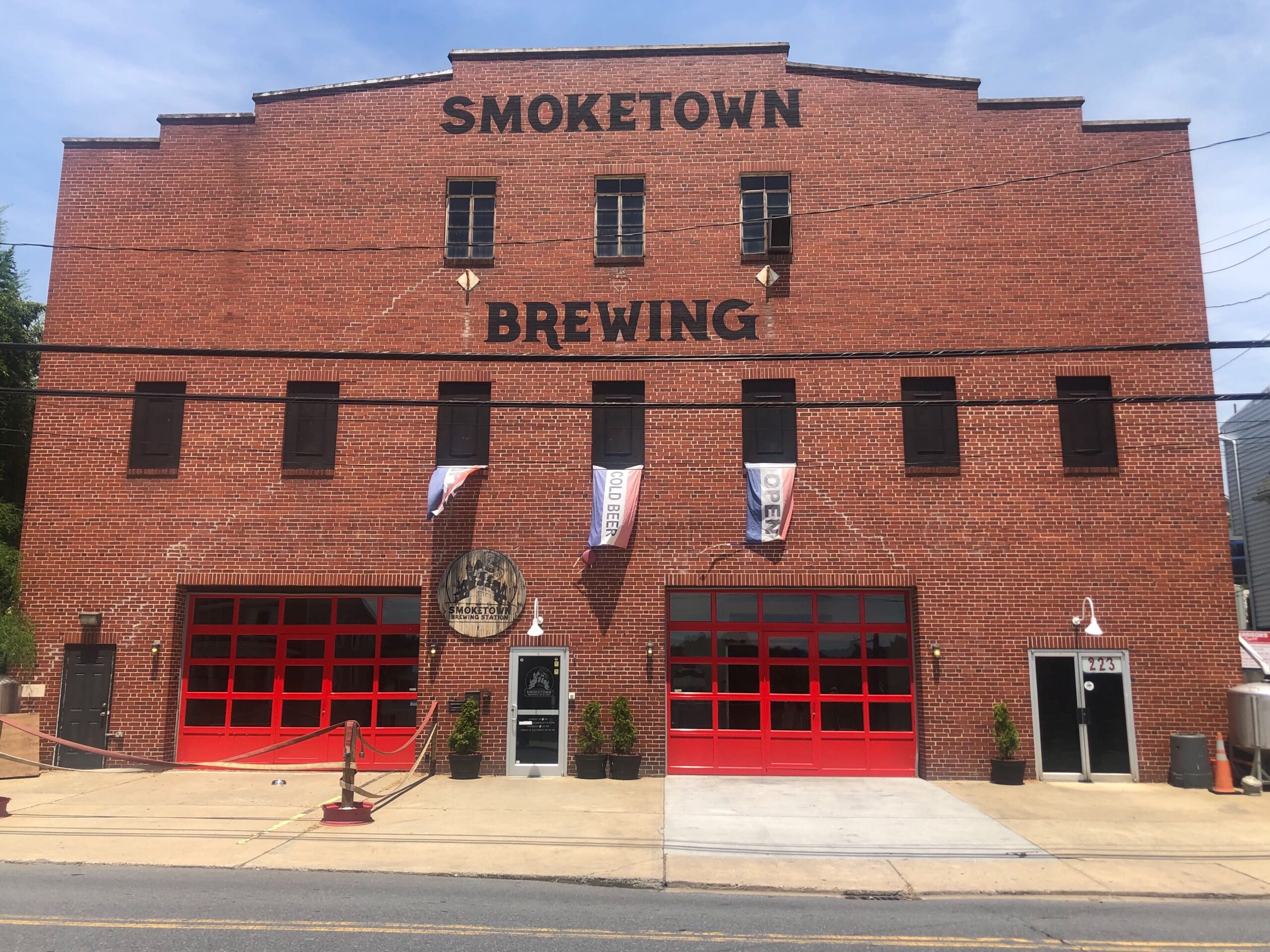
Smoketown Brewing Station — Craft beers brewed and served inside a restored historic fire station — a fitting home for a town that takes its heritage seriously.

Box Car Burgers — 100% Maryland beef burgers and house-made ice cream, with a nod to Brunswick’s railroad roots in the name and decor.

Photos by Preston Paige Piper, Kelly Hilton, Nicholas Clements

A Day in Point of Rocks, Maryland – An Itinerary

About Point of Rocks, Maryland

Point of Rocks has been a transportation crossroads for centuries, but a fierce legal battle between the B&O Railroad and the C&O Canal in the 1830s forced the two rivals to share the narrow passage west of town. The nineteenth century canal era brought hotels, mills, and even an ice cream shop to this small Maryland town, but after a devastating flood and the canal’s closure, Point of Rocks quieted considerably.

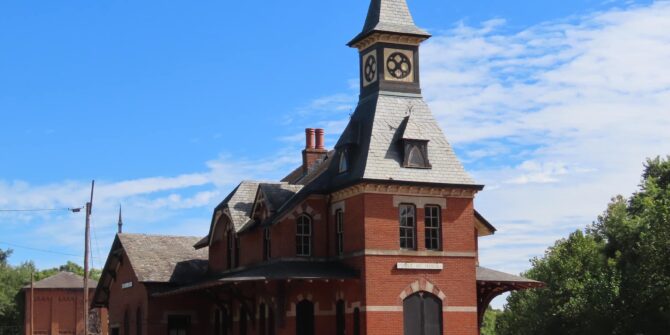
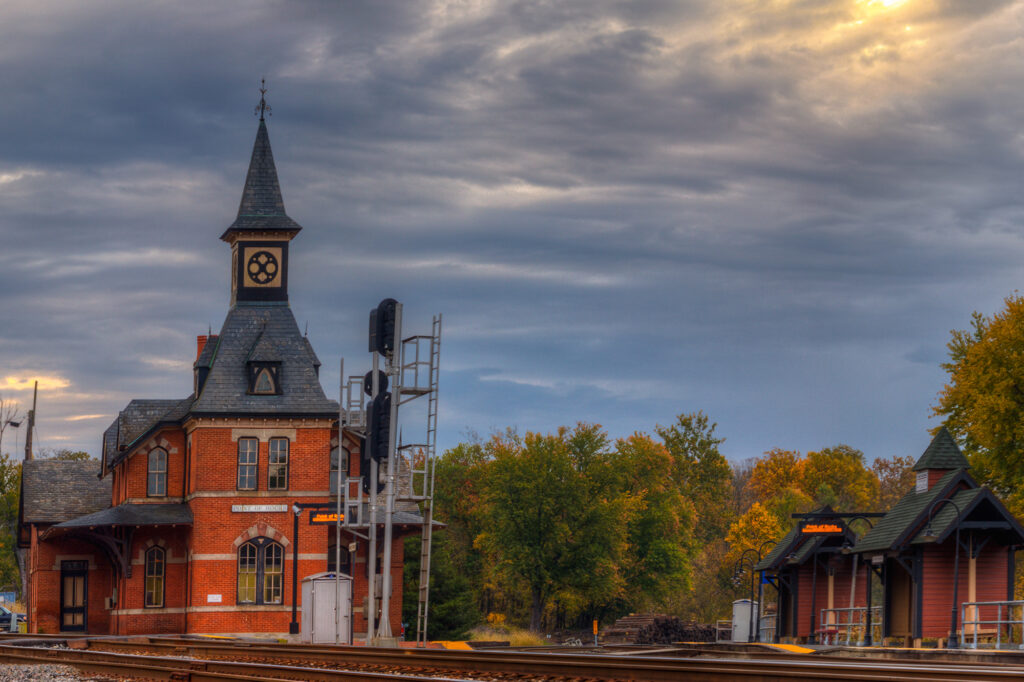
Today the town retains its small-country charm, with the Point of Rocks Train Station as the jewel of the townscape — one of the most photographed in America and still in active use. Visitors can immerse themselves in the canal era by spending a night at Lockhouse 28, waking up steps from the same waterway that once fueled this community’s golden age.

Getting There

Point of Rocks is located directly on the C&O Canal National Historical Park. From the Point of Rocks Train Station on Canal Road, the towpath is just steps away. A small parking lot at the station is available for day and overnight use.

The Point of Rocks Boat Ramp is located just off Canal Road near the historic train station. This is a well-equipped access point with ample parking, a large ramp suitable for trailered boats and hand-carry craft, and vault toilets on site. The area is a popular put-in for multi-day river trips and is well known for smallmouth bass fishing.

Point of Rocks is home to Lockhouse 28, the most remote of all the Canal Quarters properties. Built in 1837 at mile marker 48.9, the Lockhouse offers guests a quieter, more secluded experience and the chance to explore the countryside of Frederick County. It sleeps up to eight guests and is available year-round. Hiker/biker campsites are also available nearby along the towpath on a first-come, first-served basis.

Town Highlights You Don't Want to Miss:

For History Lovers:

Point of Rocks Train Station
Completed in 1876 and designed by renowned B&O architect E. Francis Baldwin, the Gothic Revival Point of Rocks Train Station is one of the most photographed railroad stations in America and is listed on the National Register of Historic Places.

Point of Rocks Train Tunnel and Lockhouse 28
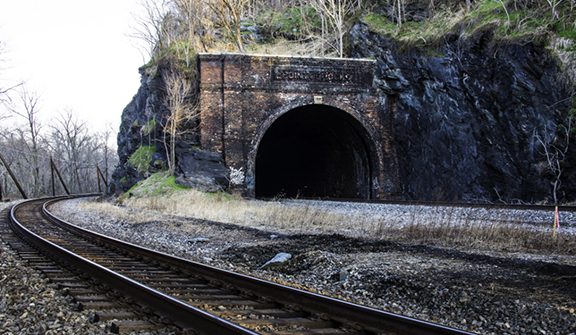
The B&O Railroad blasted a tunnel through the cliff after losing a right-of-way battle to the C&O Canal Company. Today, you can see the Point of Rocks Train Tunnel from the towpath, still in active use. For an immersive overnight experience, Lockhouse 28 puts you directly in the story.

For Outdoor Enthusiasts:

Point of Rocks Boat Ramp
Located at Mile 48.2 along the C&O Canal, the Point of Rocks Boat Ramp is one of the best-equipped launch points on the Maryland side of the Potomac River. Kayakers, canoeists, and motorboaters use it as a put-in for multi-day Potomac River trips, and it’s a well-known destination for smallmouth bass fishing.  Keep an eye on the cliffs above the nearby tunnel — Peregrine Falcons nest there and are frequently spotted from the ramp area.

Monocacy Aqueduct
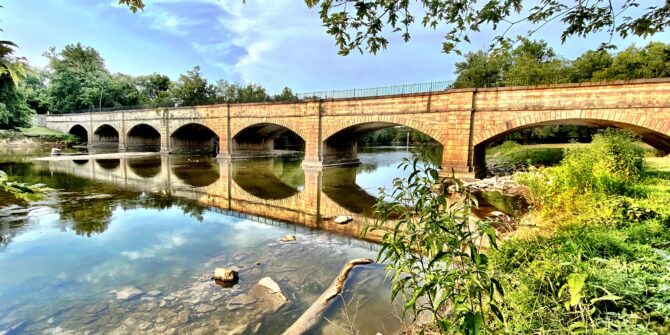
Take a bike ride to the largest aqueduct on the entire C&O Canal. From the Point of Rocks parking area at mile 42.2, it’s a 6-mile pedal west along the crushed limestone towpath to reach this 516-foot, seven-arch stone bridge, completed in 1833 to carry canal boats across the Monocacy River. The out-and-back makes for a satisfying 12-mile ride with one of the most dramatic payoffs on this stretch of the canal.

Where to Eat & Drink:

Worked up an appetite on the towpath? Point of Rocks has a handful of local spots to refuel before you head back out.

Aroma House

Deli on the Rocks

Rocky Point Creamery

One Stop Deli and Gas

Photos by Turner Photography, Rebecca White, Josh Bowers

Lockhouse 8 Set to Join the Canal Quarters Interpretive Program

As we approach the 250th anniversary of the United States, the C&O Canal Trust takes pride in keeping history alive and sharing the stories of those who helped create the places we love. In celebration of this milestone, and furthering our commitment to the protection and preservation of the C&O Canal National Historical Park, we are pleased to announce that efforts are currently underway to rehabilitate Lockhouse 8 in Cabin John, MD. Set to join our Canal Quarters Interpretive Program in 2026, we look forward to sharing this piece of C&O Canal history with you.

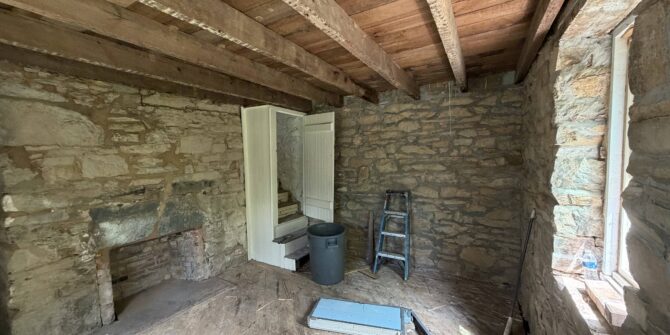
In April, rehabilitation of Lockhouse 8 began with interior improvements, including new flooring, electrical systems, and framing. Outside, a fire pit, picnic table, and porch will be made available for guests to Canal Quarters. This will be a half amenity house, similar to Lockhouse 49, and includes electricity but no indoor plumbing. Perhaps most importantly, Lockhouse 8 will introduce another era of C&O Canal history to our program.

Originally constructed in the 1830s, Lockhouse 8’s first lockkeeper was Solomon Drew, who managed the lock and tended the surrounding land. The house survived many floods, including the one in 1924 that ended operations of the canal. The family of the last lockkeeper of Lockhouse 8, Samuel Spong, continued to live in the house until the 1950s, after which it was abandoned. In the 1960s, the lockhouse received new life when President Dwight D. Eisenhower established the Chesapeake and Ohio Canal National Monument between Seneca and Cumberland, Maryland. Although the lockhouse was initially rehabilitated to house National Park Service staff, it was never used. Lockhouse 8 sat empty until the early 2000s when the Potomac Conservancy rehabilitated the house into the River Center, a nature center focusing on interpreting the local ecosystem of the Potomac River. The River Center operated until 2019.

Now, the Trust is thrilled to fill the walls of Lockhouse 8 with stories again by adding it to the Canal Quarters program. The interpretive furnishings and decor will reflect the 1960s era when the C&O Canal was designated a monument, and the house was intended for park housing. It will honor the early years of the park and the people who helped steward it. Once completed, Lockhouse 8 will be available for overnight guests traveling to or through the park. It will offer a new location for educational programs, open houses, and service projects.

Rehabilitation efforts for Lockhouse 8 have been coordinated in close partnership with the NPS and funded through the generosity of individual donors and reservation fees through the Canal Quarters program. We look forward to welcoming our canal community to experience Lockhouse 8 and this piece of living history in celebration of our nation turning 250. Stay tuned over the coming months as efforts continue!

Support the Trust’s mission to protect and preserve the park for generations to come! By giving to our general fund, you are contributing to ongoing and future initiatives that maintain our local national park. 

Photo credits: Paul Graunke, Winner Construction, Vinod Thomas, Paul Graunke

Canal Community Story – Eva Andersen

Celebrate your love for the C&O Canal by sharing your personal story about the Park. Each story will take a look at a person’s relationship with the C&O Canal. Whether an NPS ranger, a volunteer, or a visitor, everyone has a story to tell about the canal! If you want to share your story, fill out the form below, email it to us at [email protected] or post it on your social media feeds with the hashtag #MyCanalStory. We could use your story here on our website!

Top Image by Nicholas Clements

Canal Community Story – Pete O’Connor

Celebrate your love for the C&O Canal by sharing your personal story about the Park. Each story will take a look at a person’s relationship with the C&O Canal. Whether an NPS ranger, a volunteer, or a visitor, everyone has a story to tell about the canal! If you want to share your story, fill out the form below, email it to us at [email protected] or post it on your social media feeds with the hashtag #MyCanalStory. We could use your story here on our website!

Top Image by Rebekka Hudson

On the C&O Canal Migration Flyway

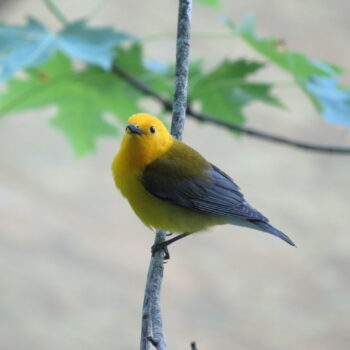
A Prothonotary Warbler captured near Violettes Lock by Greg Humes

While the C&O Canal was spared from becoming a motor highway, it now plays a vital role as a major flyway for birds! During the spring and fall migration seasons, thousands of birds flock to or pass through the park. The park is renowned as a birding hotspot in our region, with Violettes Lock, Lander, and Cumberland frequently attract birdwatchers seeking both common and rare species.

The park offers thousands of acres of interconnected habitats near the coastline, making it the perfect resting spot for birds traveling south this winter. Portions of the park are recognized as Important Bird Areas by the National Audubon Society, both at the state and global levels. Important Bird Areas are areas in the Western Hemisphere that the National Audubon Society and its partners have identified as iconic places that birds depend on the most. Species like Cerulean Warblers, Rusty blackbirds, Louisiana Waterthrushes, and Prothonotary Warblers—all birds of declining population—can all be found in significant numbers along the C&O Canal. As migratory birds return to the skies this season, we’re sharing some of our favorite fall migration finds.

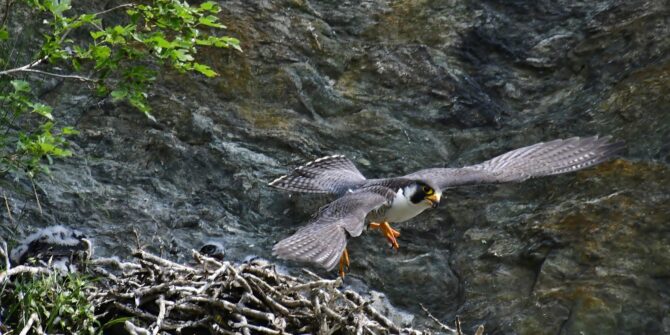
Peregrine Falcon

Seen near Point of Rocks or Maryland Heights in Harpers Ferry, the Peregrine Falcon is thought to be the fastest bird in the world. Speeds over 200 mph have been recorded during its dive. Peregrine Falcons typically nest on cliffs 25–1,300 feet high and follow their food south for the winter.

Red-shouldered Hawk

Red-shouldered Hawks thrive in wet forests and can be seen throughout the park. They return to the same nesting grounds each year and can be identified by a distinctive whistle. These hawks have a moderate migration pattern and fly to southern states for the winter. 

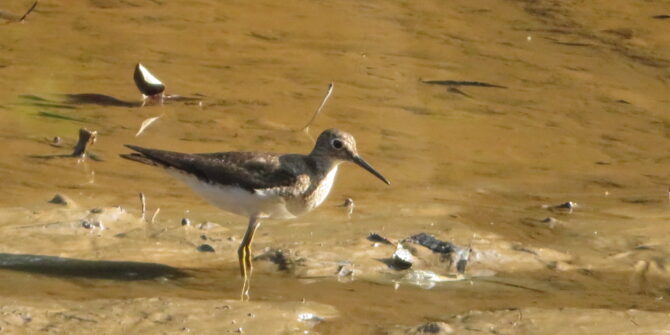
Lesser Yellowlegs

This bird loves shallow wetlands and is primarily found in the Unites States during migration periods. The Lesser Yellowlegs migrates to the top of Canada for breeding season and winters in South America. Though rare along the C&O Canal, the Lesser Yellowlegs is known to make stops in the park during its mirgration.

American Bittern

A secretive marsh bird, American Bitterns are usually heard, not seen. With a short to medium migration pattern, American Bitterns fly to southern North America for the winter. Another rare sight, these birds can be found more often in the park during fall migration. 

Green Heron

A staff favorite, the Green Heron is a forest wetland bird that mainly feeds on small fish. They have a moderate migration pattern, with much of their travel taking place at night. Eastern C&O Canal Green Herons will migrate to Florida, the Gulf Coast, and the Caribbean, while western birds head through Mexico. 

The C&O Canal Trust is proud to support the park’s Natural Resource Conservation initiatives which help to protect habitats critical to sustaining birds during their migration. Our partnership ensures that there is plentiful food, safe resting zones, unparalleled birding opportunities in every season. 

Looking to learn more about birds or try out birding? Learn more about how to ID birds in your area and share your sightings on All About Birds or eBird!

Photos by Roy Sewall, Jan Branscome, Susan Petro, and Greg Humes

Canal Community Story – Tim Stevens

Celebrate your love for the C&O Canal by sharing your personal story about the Park. Each story will take a look at a person’s relationship with the C&O Canal. Whether an NPS ranger, a volunteer, or a visitor, everyone has a story to tell about the canal! If you want to share your story, fill out the form below, email it to us at [email protected] or post it on your social media feeds with the hashtag #MyCanalStory. We could use your story here on our website!

Top Image by Christine Ley

Canal Community Story – Jenn Taylor

Celebrate your love for the C&O Canal by sharing your personal story about the Park. Each story will take a look at a person’s relationship with the C&O Canal. Whether an NPS ranger, a volunteer, or a visitor, everyone has a story to tell about the canal! If you want to share your story, fill out the form below, email it to us at [email protected] or post it on your social media feeds with the hashtag #MyCanalStory. We could use your story here on our website!

Jenn Taylor - Canal Community Story Read more Canal Community Stories here.

Top Image by Christine Ley

Culverts: A System of Support

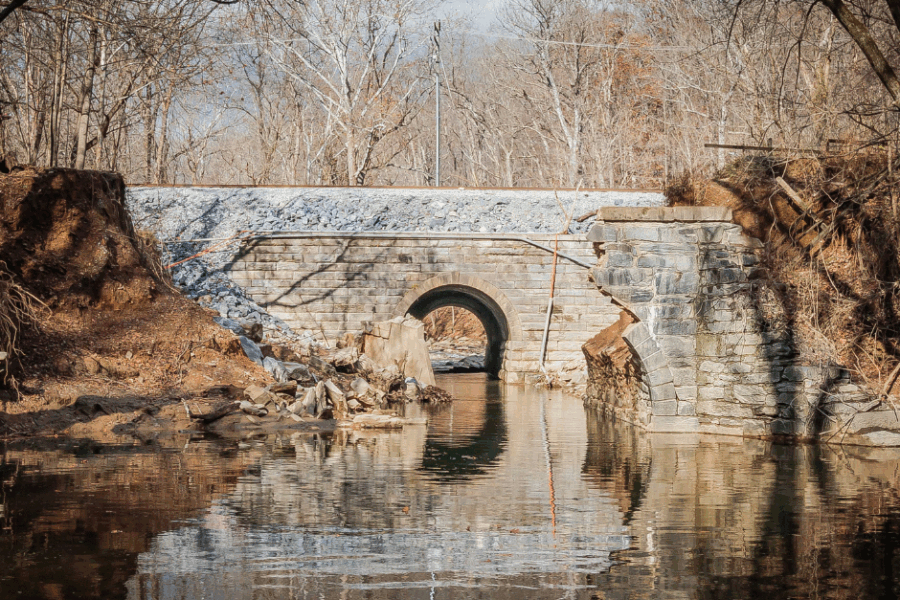
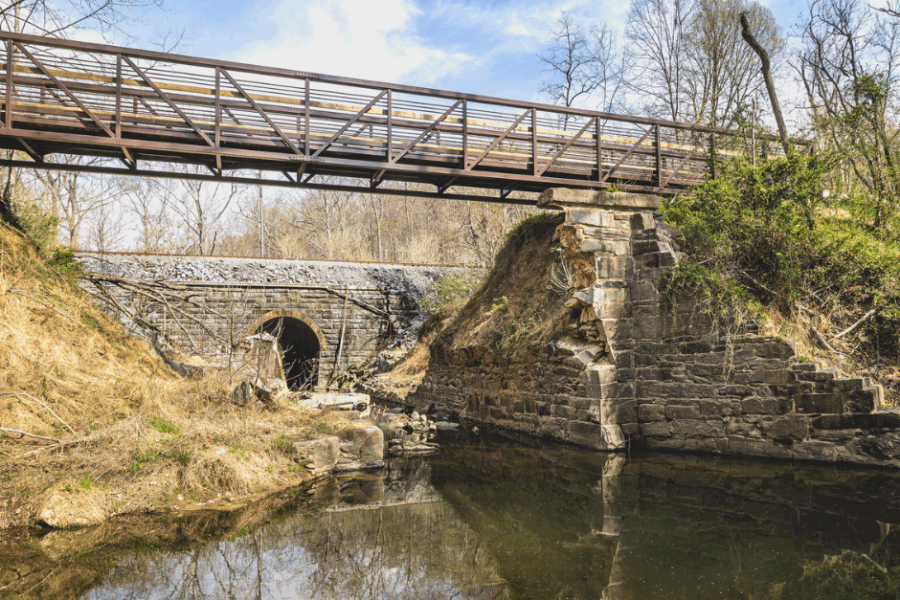
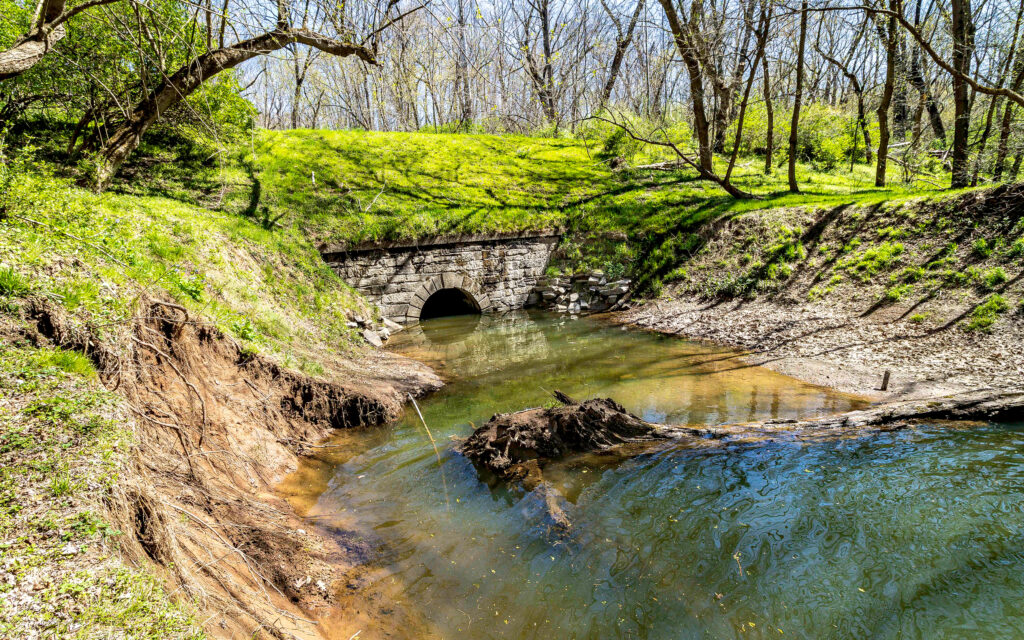
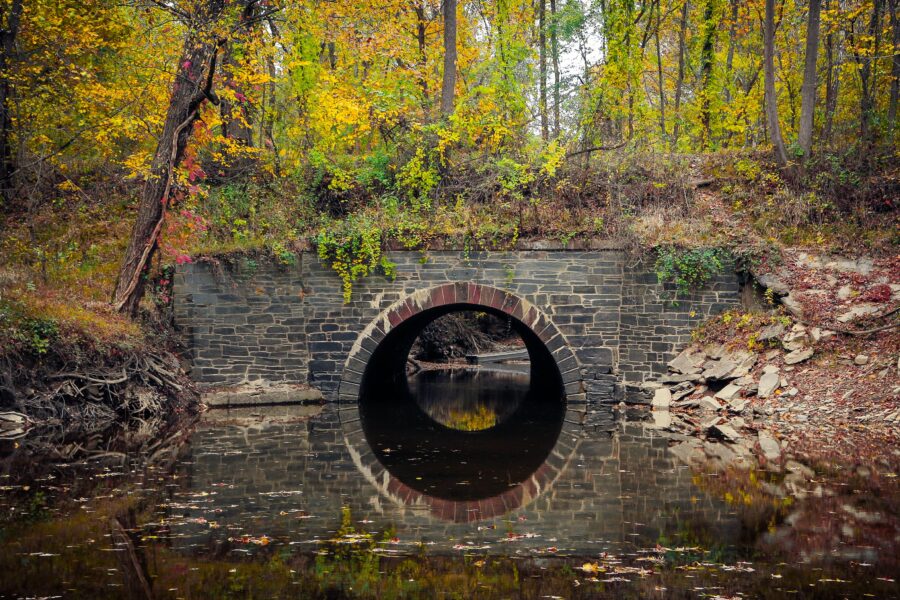
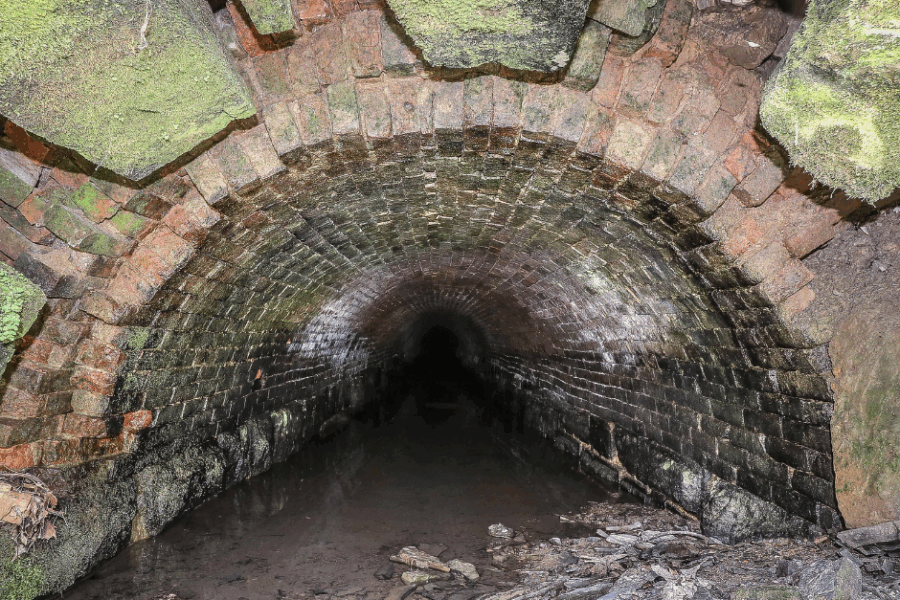
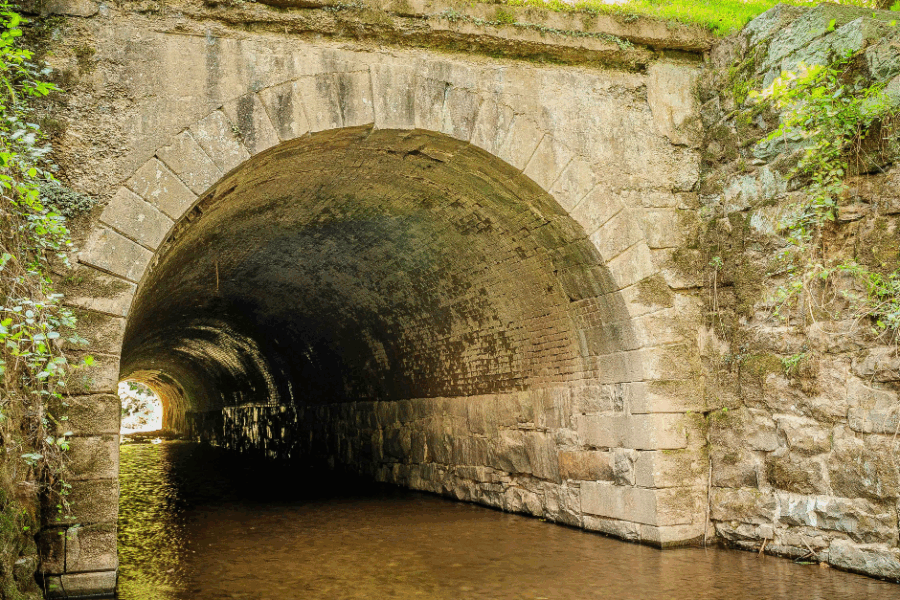
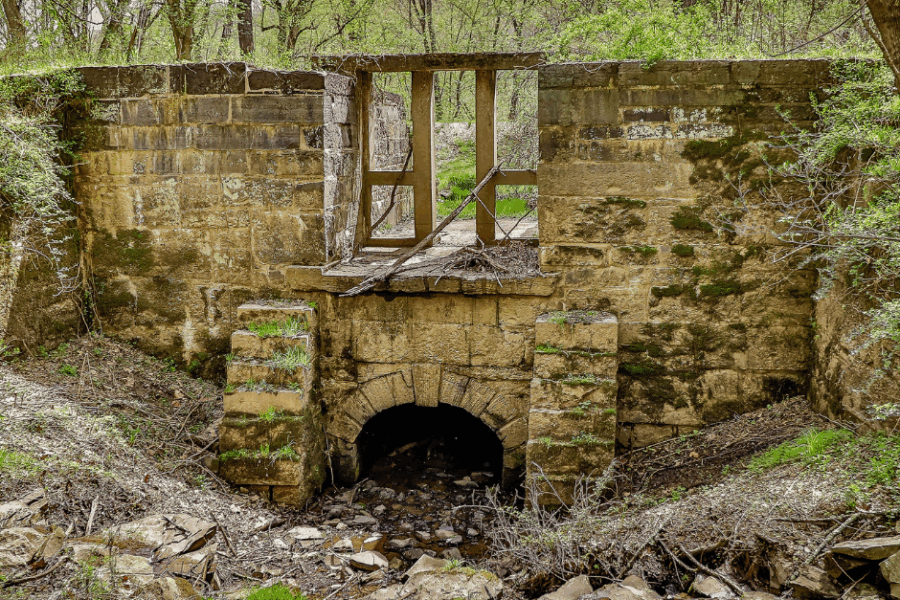
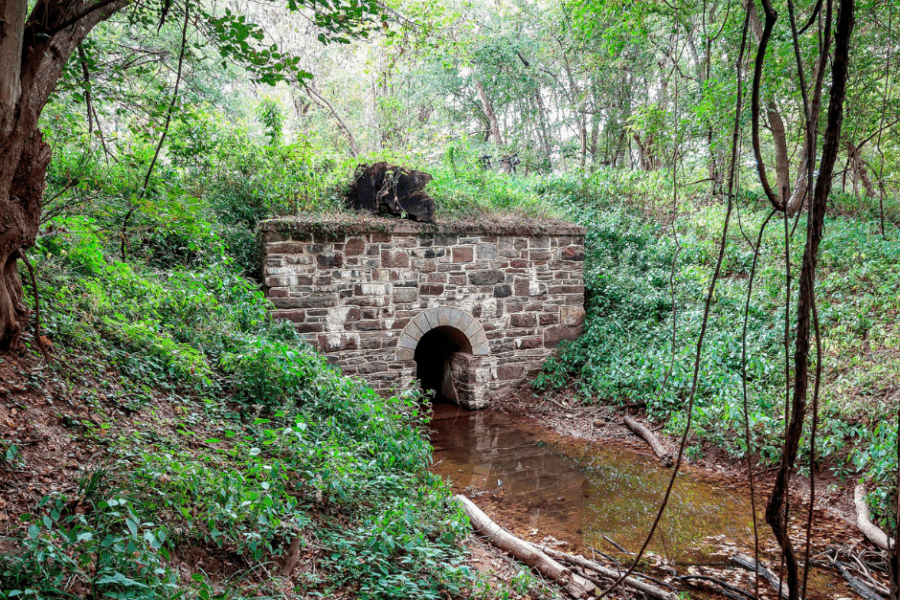
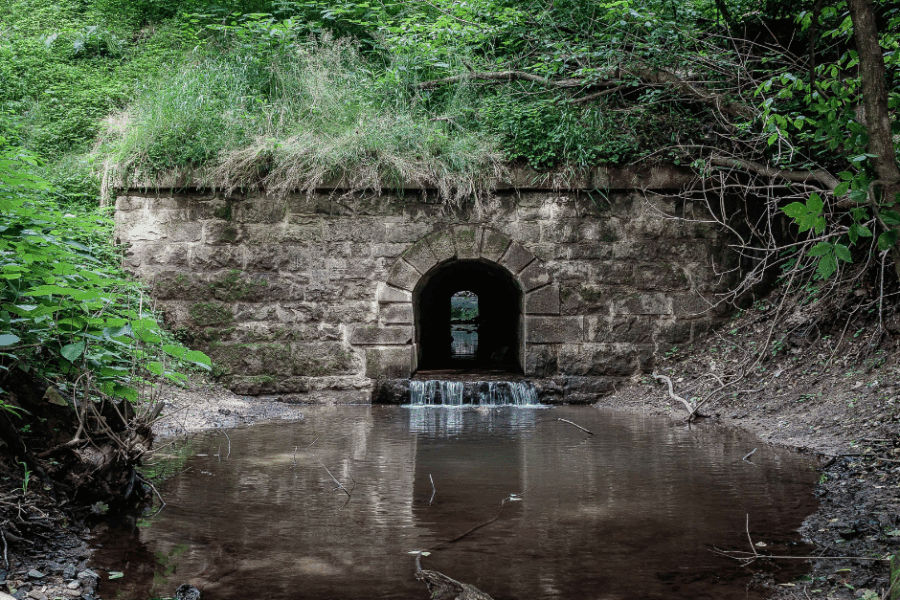
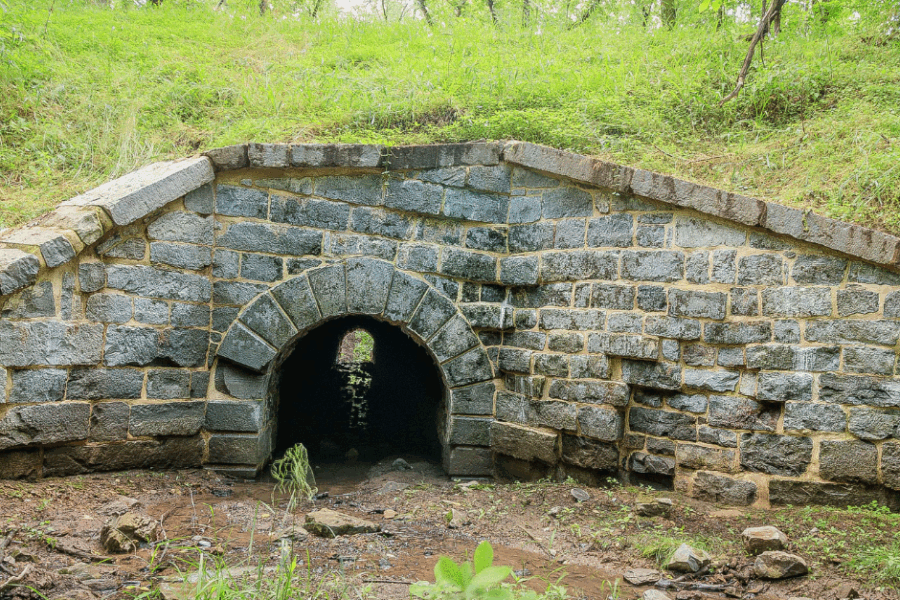
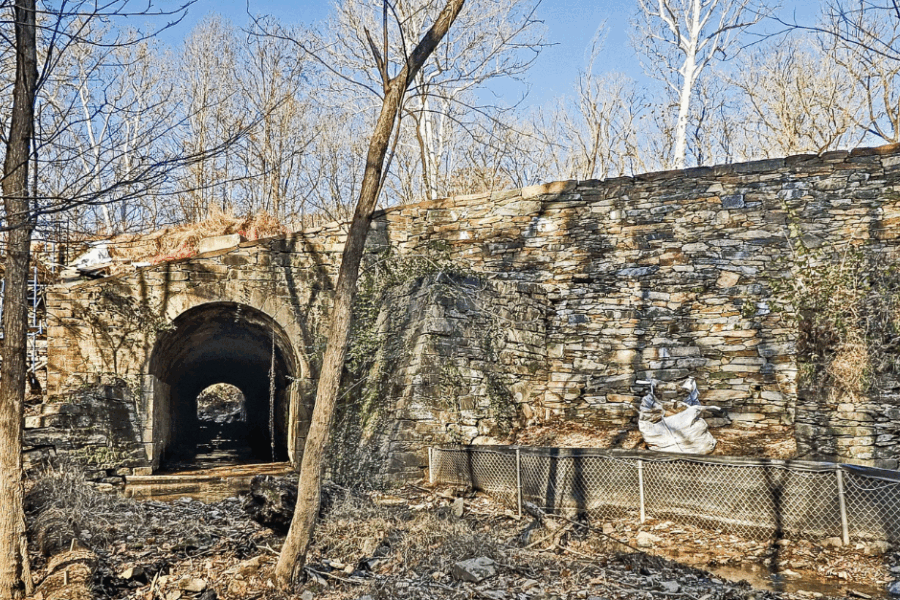
Underlying the 184.5-mile C&O Canal’s towpath, more than 200 culverts were built to pass smaller creeks and streams under the canal and into the Potomac River. These engineering marvels may not be readily seen as we bike and hike the trails, but they are critical for towpath continuity.

“Culverts are the gatekeepers for water to flow safely under [and] through the park,” explains Joe Reed, Chief of Professional Services Division and Supervisory Civil Engineer. “They are ‘silent sentries’ that help to guard the water from damaging the canal infrastructure.”

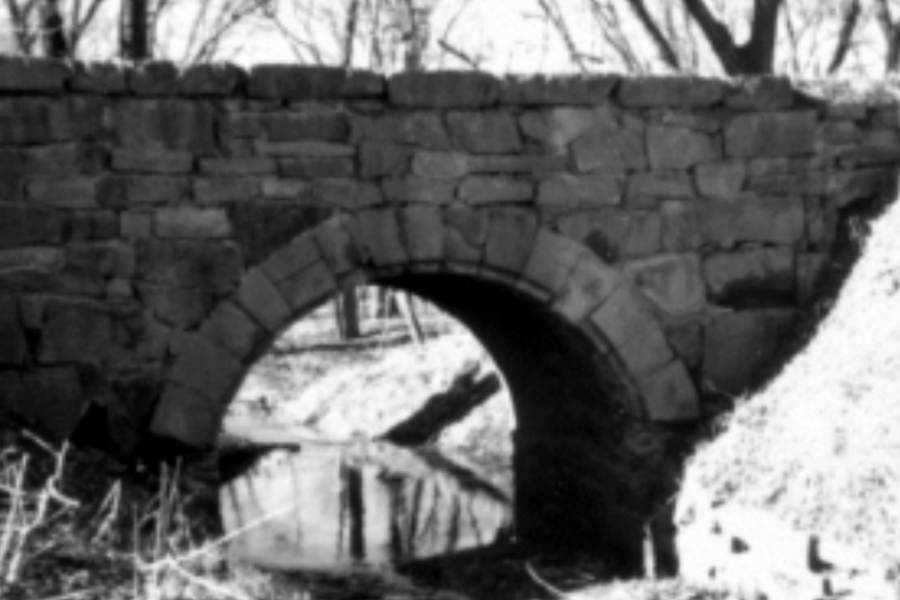
Historic photo of culvert 51 by National Park Service

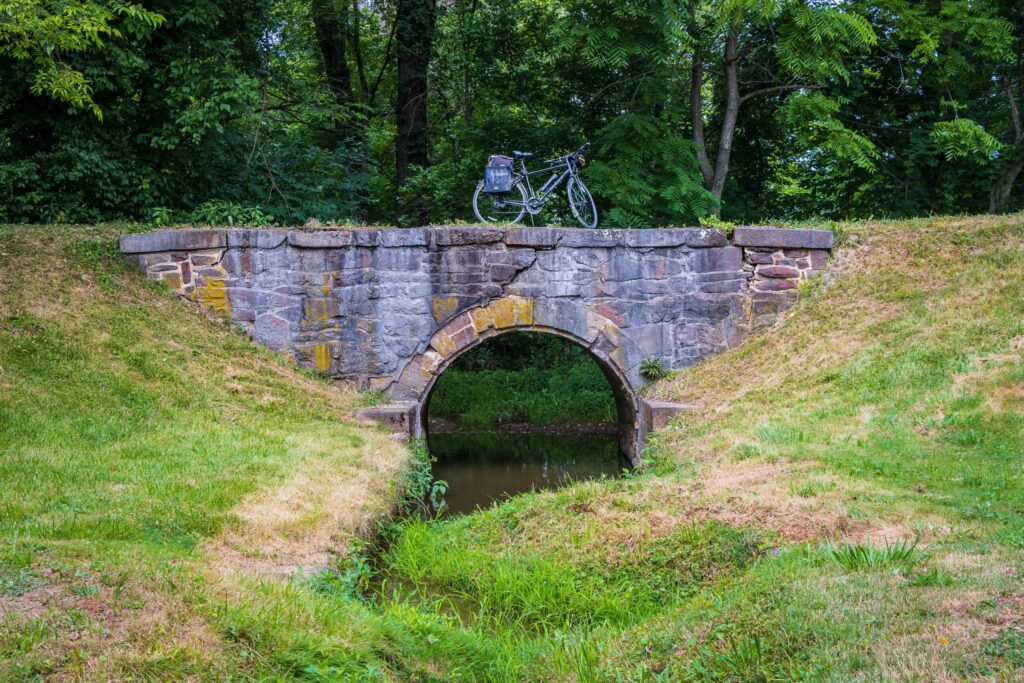
Culvert 51 at Whites Ferry by Paul Graunke

Culverts support the entirety of the towpath and help to manage flood waters and debris. They can also be used to carry vehicles over top of them or under the towpath and support other canal structures. Their effectiveness relies on them being in good repair and debris-free, an increasing challenge as the park experiences a rise in storm intensity and frequency. A culvert collapse can be devastating; in 1907, an Erie Canal culvert gave way, creating a huge hole in the bottom of the canal and completely destroying five canal boats.

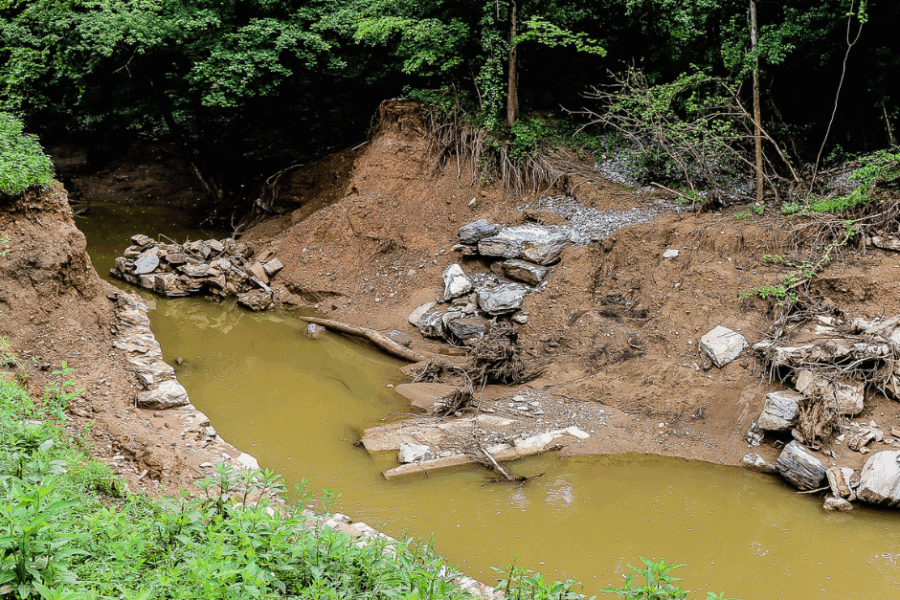
C&O Canal culverts have been routinely damaged or breached, including Culvert 82 over Little Catoctin Creek. This culvert was breached in May 2018 due to flash flooding and replaced by a bridge in 2024, costing $1 million.

In the six years before the project was completed, there was a low water crossing that routinely flooded, disrupting towpath continuity. The Canal Towns Partnership and other partners helped fund a shuttle to move visitors safely around the washout during high-water events. Without this support, the towpath remained impassible and presented challenges for many visitors who travel the full 184.5-mile length.

While we might not notice culverts when they’re functioning, it is difficult to miss the damage caused to the park when they fail. The number of culvert repairs continues to grow each year, as well as the cost of repairing and maintaining them. In 1872, just over 20 years after completion of the C&O Canal, an engineer made an inspection of the canal and determined that culverts needed repairs totaling $2,867.42.

“The original historic culverts in the canal were constructed as early as 1828 – with the oldest approaching 197 years. This service life is notable, especially since many modern culvert materials are only designed for a typical service life of 25-50 years,” says Reed.

Currently, all culverts are in need of repair. Every culvert faces damage from debris jams, sinkholes, barrel failure, sedimentation, freeze-thaw damage to stone masonry, tree root damage, damage from tree falls, erosion, and more. Culverts can be difficult to repair due to limited access.

“To perform repair work on the culverts, you have to address the technical requirements of the physical work and also have to manage the water during construction, as well as construct temporary means for access. Along the canal, the types of materials used for culverts varied,” says Reed. “Canal builders often times used local stone, so the types of geology and natural processes that formed the stones affect the performance characteristics of it. Being cognizant of the types of stone used and reasons for failure helps us acutely identify the appropriate design repairs.”

Current repair projects include Culverts 193, 183, and 71. Park-wide, National Park Service staff are clearing debris and vegetation from culverts. Repairs at Culvert 12 and 15 were recently completed in 2020 as part of the Locks 5 – 22 project. NPS uses multiple types of specialty engineering to make repairs, including structural, geotechnical, hydraulic/water resources, civil, and architectural. In addition, it takes a multidisciplinary team to develop repairs, such as cultural resource specialists, archeologists, natural resource specialists, stone masons, operations specialists, and safety professionals.

Culverts are an integral part of the C&O Canal’s historical, cultural, and recreational resources. They remain a testament to the hard work and ingenuity of the canal’s first builders and are a reflection of the creativity, dedication, and skill of NPS staff today. Through their varied design, purpose, and condition, we learn to appreciate these historical structures and their critical role in ensuring one continuous park from Cumberland, MD, to Georgetown, D.C.

This year, the C&O Canal Trust’s largest annual fundraising event, Park After Dark, will shine a spotlight on preserving and restoring the historic culverts throughout the park. Proceeds from the event support the mission of the C&O Canal Trust, the official nonprofit partner of the C&O Canal National Historical Park, and directly fund priority preservation initiatives and programs of the park, which hosts millions of visitors each year. The evening offers one of the most influential gatherings of the canal community and includes music of the canal by. a seated farm-to-table dinner catered, and a silent auction featuring canal-inspired art and weekend getaways showcasing the unique history, small businesses and recreational activities of C&O Canal Towns.
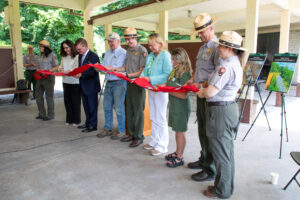
Trust Helps Celebrate the Completion of the Log Wall Stabilization Project
Photo credit: NPS

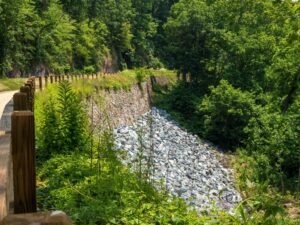
July 11, 2025, marked the celebration of the completion of the Log Wall, a historic drylaid stone wall, stabilization near the Carderock Recreation Area. This major $11.4M infrastructure project was made possible through the Great American Outdoors Act (GAOA) Legacy Restoration Fund. The stabilization focused on an approximately 1,015 linear foot long historic drylaid stone wall, which varies in height up to 35 feet tall. The wall was originally constructed between 1828 and 1831 and is often referred to as the “Log Wall,” as found in an 1890 Engineer’s Report.

The project began in 2023, following the formation of sinkholes in 2015 and 2016 above the Log Wall. These sinkholes led to the dewatering and sandbagging of the canal to preserve its structural integrity. The resulting damage left a vital section of the towpath at risk of failure, disrupting the park’s continuity and recreational opportunities. Additionally, the sinkholes increased the vulnerability of the Potomac Interceptor Combined Sewer to potential failures. Installed in the 1960s, this sewer system transports approximately 60 million gallons of combined sewage daily beneath the towpath to a treatment facility in Washington, D.C. A failure of the Log Wall could result in a leak or break in the sewer system, potentially releasing 60 million gallons of raw, untreated sewage into the Potomac River, causing widespread catastrophic damage to the ecosystem and human health.

Photo credit: Francis Grant-Suttie

To prevent these incidents, the C&O Canal National Historical Park initiated the Log Wall Stabilization project in 2023. The project aimed to maintain towpath continuity, restore water flow in the canal prism, mitigate risks to nearby structures, and reduce sediment emptying into the canal. To accomplish these goals, park staff and partners performed stone masonry repairs, removed sediment from the canal, fixed sinkholes, replaced the canal liner, and buttressed the stone wall. The completion of the Log Wall Stabilization has ensured towpath stability and marked a significant step towards rewatering the canal. It has also prevented damage to the Potomac Interceptor sewage system and surrounding communities.
If you visit today, Log Wall looks much like it did before the project began. “There’s no way to see a lot of the things that we did because they’re under the surface. That’s really part of our mission, maintaining the historic integrity of these landscapes and preserving these landscapes and those historic structures for current and future generations,” explained Joe Reed, Chief of Professional Services Division and the C&O Canal National Historical Park. “It looks like it did, you know, like it was originally intended back in 1924.”

Photo credit: Tad Achey

Photo credit: NPS

Photo credit: NPS

“We are proud to participate in this celebration for the preservation of the historic Log Wall here along the C&O Canal — an important milestone made possible through the Great American Outdoors Act. This successful project will help ensure the continuity of the towpath — a critical thread from Georgetown to Cumberland that protects the past while offering new experiences for visitors every day,” said Lauren Riviello, C&O Canal Trust President & CEO.

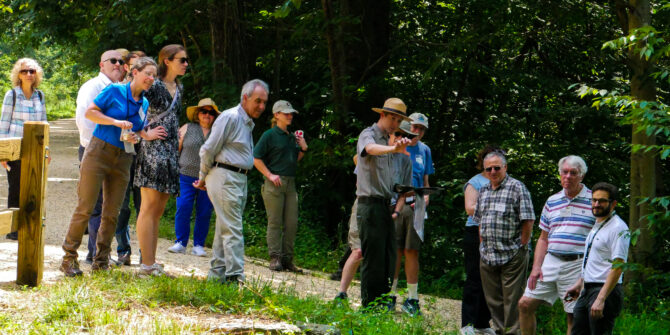
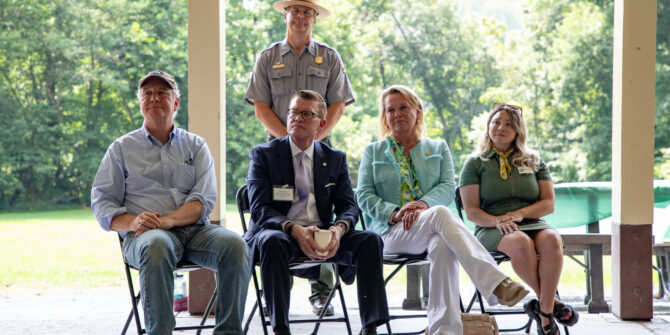
Park staff, the National Park Foundation, project partners, and elected officials joined us to share their love for the park and celebrate the significance of stabilizing this critical section of towpath.

“We are obviously recognizing an important historical marker, but [Log Wall is] also essential for the future of the park to shore up the wall to make sure we have the stability we need to help protect the public and people will be using the canal and the towpath. And it is exactly what we envisioned as the kind of projects that would be funded by the Great American Outdoors Act, which is a historic piece of legislation,” said Chris Van Hollen, a U.S. Senator from Maryland.

April McClain Delaney, U.S. Representative for Maryland’s Sixth Congressional District, retold stories of her family in the park and the importance of towpath continuity.

This log wall perfectly symbolizes what the Great American Outdoors Act is about. It is really about a place and a space for community. It’s about preservation of our parklands and the beauty and splendor of America.”

“The Trust is proud to serve as a bridge between the National Park Service and a vibrant community of individuals and partners. Whether you’re discovering the canal for the first time or returning year after year, your connection with this place and your support are part of what keeps it thriving,” said Riviello. “At the Trust, we believe in the power of connection — connecting people to nature, to history, and to one another. We actively support towpath continuity and rehabilitation by investing in projects that repair trail conditions, address erosion and storm damage, and improve the visitor experience at some of the most beloved and well-traveled sections of the park. Through donor contributions and volunteer engagement, we help ensure that this treasured resource remains beautiful, safe, and welcoming to all.”

Thank you to all of those who celebrated the Log Wall project with us and who recognize the importance of preserving this historic park. Together, we can ensure the C&O Canal remains a vibrant and sustainable source of inspiration and connection and help keep its resources protected today and preserved for the future.
Missed the livestream? View a recording of the event here: https://www.youtube.com/watch?v=gFgUvCMX7j4
Make a Difference this Plastic Free July

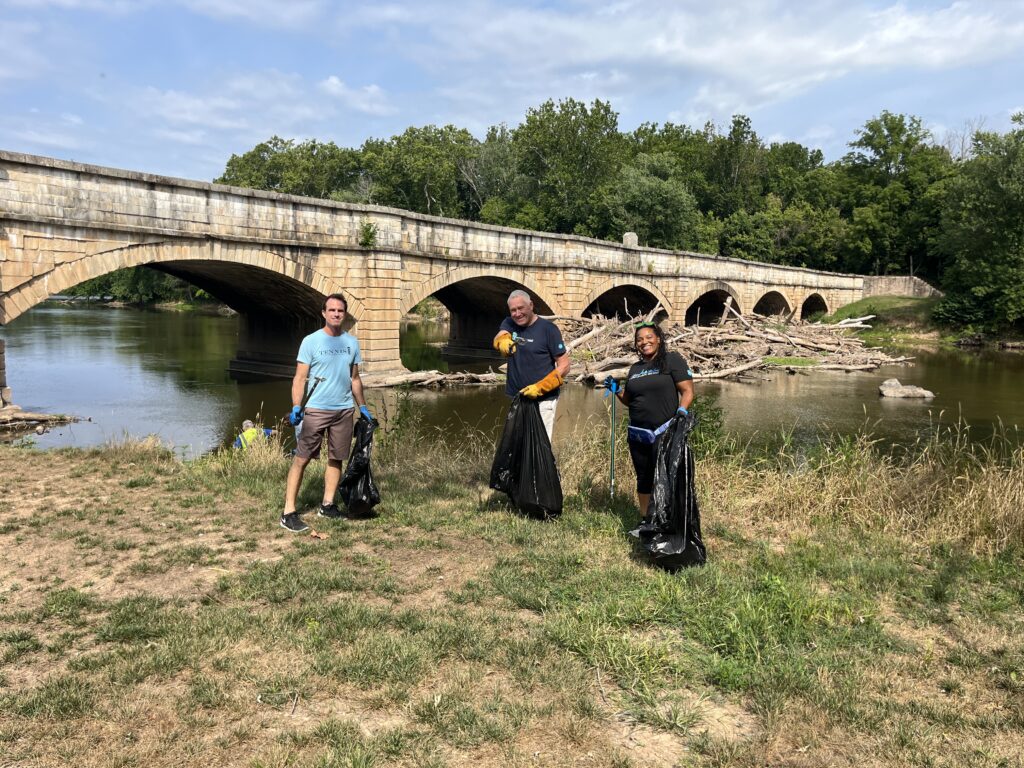
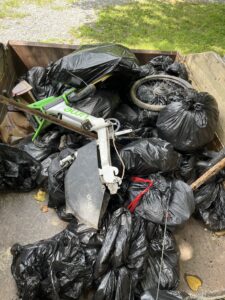
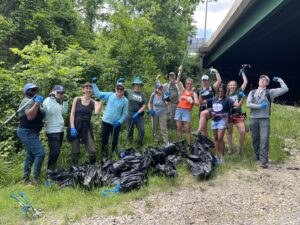
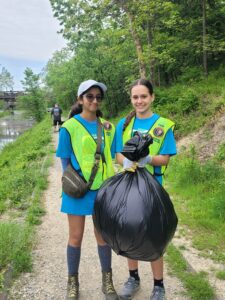
What do water bottles, bike parts, snack wrappers, and plastic bags have in common? They all frequently end up as trash in the C&O Canal! To date, the Trust has removed 4,725 pounds of trash and invasive plants from the park with the help of volunteers and corporate partners. As park visitation and discarded trash surges in the summer months, we are challenging visitors and community members to join us in Plastic Free July!

What is Plastic Free July?

Plastic Free July is a global movement to reduce plastic waste. It focuses on sharing solutions to reduce plastic waste in your local community to create a cleaner and healthier world.  It aims to reduce waste globally by the collective actions of many individuals and communities across the world.

Ways to reduce your plastic waste in the park:

  1. Bring a Reusable Water Bottle

Using a reusable water bottle avoids single-use plastic water bottles that often end up as trash in the park. By planning ahead and identifying refill stations, you can help eliminate this plastic waste. Don’t have a reusable water bottle? You can repurpose a glass jar or bottle for your visit.

  1. Pack lunch in a reusable container

If you’re bringing lunch or a snack to the park, consider packing it in a reusable container. This avoids single-use plastics and wrappers that can get easily left behind and create trash.

  1. Choose canned drinks over plastic bottles

Aluminum cans are more easily recycled than plastic bottles. If you’re bringing a bottled drink to the park, consider choosing something a can over a plastic bottle. Remember to pack out your trash and recycle your can!

  1. Bring a reusable bag

Pack your supplies in a backpack, cloth bag, or fanny pack! Avoiding single-use plastic shopping bags on your trip will help reduce trash in the park.

If you are not able to take any of these actions, that’s okay! The most important thing to remember is to pack out any plastic or trash you bring into the park and dispose of it properly at home. By simply not leaving trash in the park, you are playing a critical role in reducing plastic waste in the park.

Looking to go the extra mile? Consider volunteering with the Trust to amplify your impact! We have many opportunities throughout the year to remove trash and invasive species in various locations along the towpath. Last year, our volunteers removed over 20,000 pounds of trash and invasive vegetation. Check out our volunteer opportunities here: https://www.canaltrust.org/programs/volunteer-programs/

Photos by Trust Staff

How to Build a Canal: Engineering in the park
Photo provided by National Park Service

Building a 184.5 mile canal doesn’t just happen in a day; it requires meticulous planning. Engineers played an essential role in designing, planning, and building the park. With over 1,300 historic structures, a variety of engineers and experts were needed to turn George Washington’s dream into a reality. To unlock the transportation potential of the Potomac River, aqueducts, culverts, locks and lockhouses, a canal prism, the towpath, and more were built. Canal engineers were the masterminds behind the construction and maintenance of such structures.

The Vision of C&O Canal Engineers

United by the goal of connecting the Chesapeake Bay to the Ohio River, C&O Canal engineers brought their expertise and experience to complete the decades-long construction of the canal. Chief Engineer Benjamin Wright was recruited by the Chesapeake and Ohio Company after his success with the Erie Canal. Known as the Father of American Engineering, Wright learned much of his craft from his uncle who helped train him in surveying techniques. He designed plans for many of the historic structures we love today, including the Monocacy Aqueduct, before stepping down as Chief Engineer in 1831, paving the way for another C&O engineer.

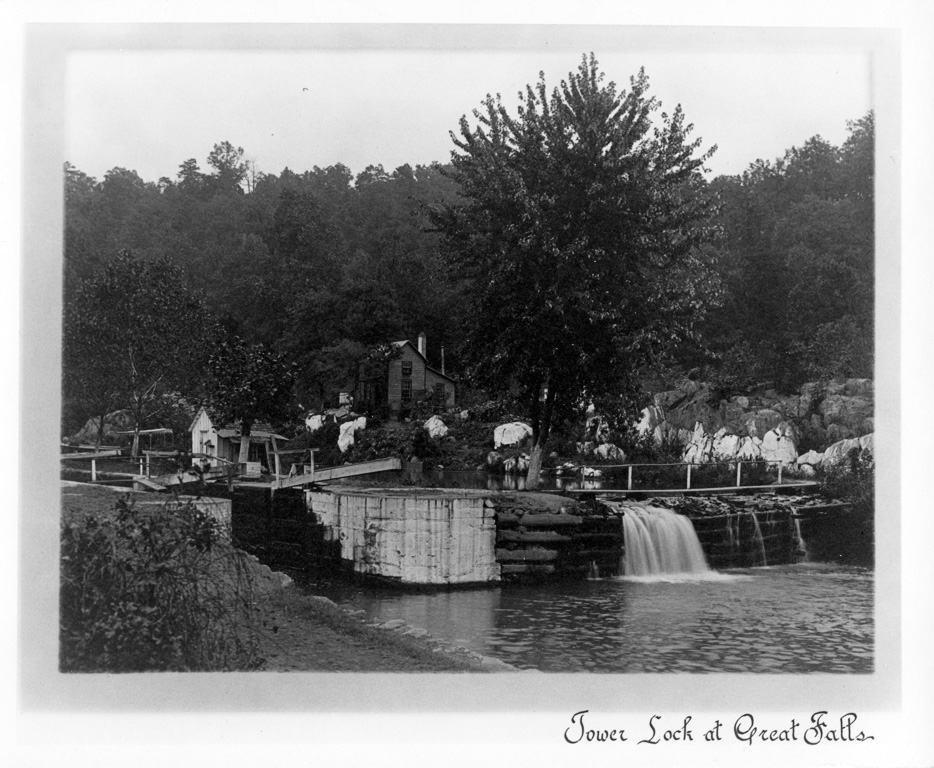
Tower Lock at Great Falls. Photo provided by National Park Service

Charles Fisk rose to the title of Chief Engineer in 1837, after joining the project as an assistant engineer almost ten years prior. Fisk is the only C&O Canal engineer who served throughout the entire construction of the C&O Canal and was heavily involved with the construction, maintenance, and operations of dams. A Yale graduate, Fisk was dedicated to creating high-quality, durable structures and continued to reside in Washington, D.C., even after the canal’s completion.

Before the C&O Company began their work on the canal, the Patowmack Company focused on building navigable skirting canals on the Potomac River around some of its formidable rapids. However, this system incurred excessive costs that proved unsustainable, leading to its eventual abandonment. The skirt canals also required engineers, including supervisory engineer Captain George Pointer. Captain Pointer was a formerly enslaved person who worked for the Patowmack Company. He participated in the first project survey of the Potomac River and continued to work for the company even after he bought his freedom. After he retired, Captain Pointer spent the rest of his life living near Lock 6.

Georgetown Preservation Projects. Photo by Trust Staff

Continuing the Legacy

Today, many engineers honor the legacy of Captain George Pointer, Charles Fisk, and Benjamin Wright. As the C&O Canal approaches the 200th anniversary of its groundbreaking, it requires increased care to remain a safe and beautiful space to recreate and preserve the history of our region and our country. National Park Service staff are currently working on engineering projects throughout the park, including stabilizing Dam 5, rehabilitating the towpath, stabilizing Log Wall, and multiple Georgetown preservation projects. These projects help protect and preserve the structures that the canal’s first engineers worked so hard to build, engraving their stories in the continued history of the park.

To view current and recently completed projects, visit: https://www.nps.gov/choh/planyourvisit/park-project.htm

Celebrate National Camping Month!

Every June, the banks of the Potomac River come alive with chatter and life as the days warm and lengthen towards summer. Attracted by the cool water and abundant foliage, life gathers to enjoy the pleasures of being outdoors – including us humans! We return to the C&O Canal campgrounds to spend our evenings retelling our favorite park stories and planning the next day’s adventures. As we set up tents and build campfires, it’s time for one of our favorite camping activities: dinner. To celebrate National Camping Month this June, we are sharing some of our favorite campfire recipes to try on your next trip to the park.

For those traveling light, these recipe ideas will require minimal equipment. Delicious meals can be easily achieved with just a bit of foil and a few ingredients. A campfire classic, foil packet meals are made by wrapping your ingredients in foil and placing the packet in coals of your fire. Make sure to bring tongs to safely remove and place your packet. Check out these meal ideas!

Foil Packet Recipes:

  • Ham and Cheese: Looking for a breakfast recipe or want breakfast for dinner? Make campfire ham and cheese hash browns! Use precooked, frozen hash browns, ham and some cheddar cheese for this recipe. Add your preferred seasonings and garnishes and wrap it all together. You can even mix in an egg if you want!
  • Banana Boat: Banana boats can be made many ways. With the peel still on, split a banana down the middle without cutting through the other side and leaving the ends intact. Then add your fillings, wrap in foil, and place in the fire to melt! Some filling ideas are chocolate, marshmallows, and graham crackers; strawberries, Nutella, and hazelnuts; peanut butter and chocolate chips. Let us know your favorite combo!
  • Pizza Cones: Ice cream cones can be the perfect addition to your next campfire. Layer cheese, pizza sauce, and pepperoni in a sugar cone, wrap, and stick in the fire. Turn this into a dessert by adding chocolate, marshmallows, and strawberries instead.

Forgot your foil? Try these recipes on a stick!

  • Skewers: Almost anything has the potential to be cooked on a stick. Meat cubes, vegetables, and potatoes all get a smoky camp flavor over the fire. For an extra flavor boost, marinate your skewers and keep them in a cooler until it’s time to cook.
  • French Toast: Have extra bread or rolls lying around? Cut your bread into cubes and soak in your regular egg and milk mixture (cinnamon can be a good addition). Place your battered bread on a stick and roast over the fire.
  • Crescent Rolls: Wrap a crescent roll around a stick for a toasty campfire snack! Elevate your crescent roll experience by wrapping your crescent roll around a stick about the same width as a hotdog. Roast a hotdog and place it in your crescent roll for a sandwich!

      • Honorable mention: the Spider dog. Cut an X on each side of your hotdog, leaving room in the middle to place it on your stick. You should have 8 “arms” on your hotdog. Roast your hotdog lengthwise over the fire. The ends of the hotdog should get crispy and curl. Please note: Our staff has reported mixed results with this technique. While delicious and crispy when executed correctly, there is a strong possibility of losing spider arms if the cuts are not made carefully and evenly. Please use caution with this recipe!

Looking for a place to try out these campfire recipes? Visit a hiker-biker campsite, reserve a spot in a campground, or stay in a Canal Quarters lockhouse. Please remember that fires are only allowed in designated fire rings/pits and pack out all of your trash after your stay. It is the responsibility of every park visitor to recreate safely and to protect the park for future adventures

Trust Celebrates National Park Week 2025
April 19-27, 2025 is National Park Week! During this week-long celebration, national parks across the country provide opportunities for visitors to come together to explore and celebrate these beautiful, natural places. (more…)

Trust Helps Protect and Preserve C&O Canal as Philanthropic Partner
Philanthropic partnerships play a crucial role in ensuring the sustainability and vitality of our national parks. The Chesapeake and Ohio Canal (C&O Canal) National Historical Park is a nationally significant landmark that enriches the District of Columbia, the State of Maryland, and the surrounding region. This continuous 184.5-mile park serves as a vital cultural, historical, and natural resource for millions of visitors and local residents each year. For all of us who love the C&O Canal, it is more than just a park – it is a living testament to our nation’s history and a sanctuary of natural beauty that deserves our collective stewardship.

(more…)

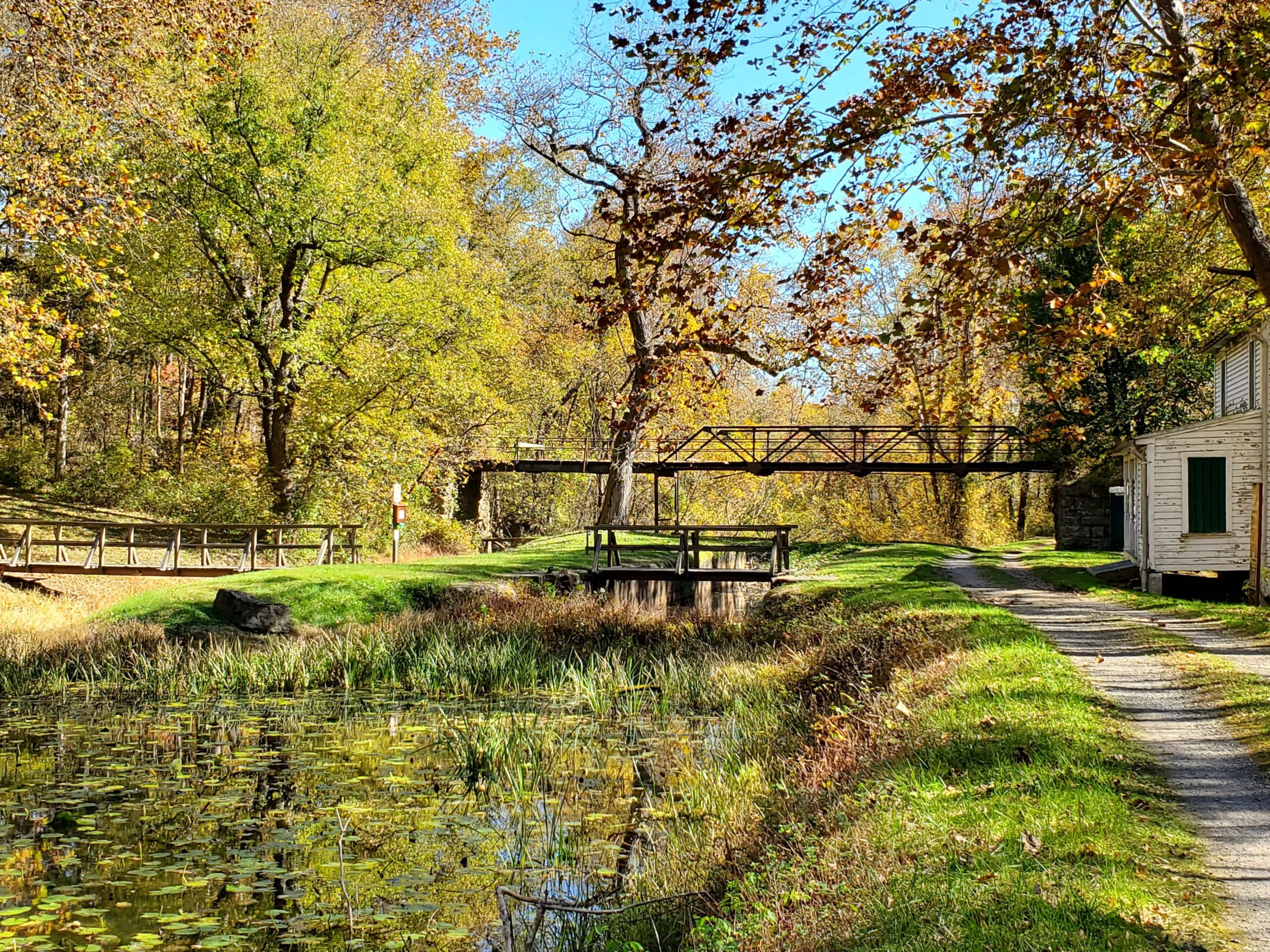
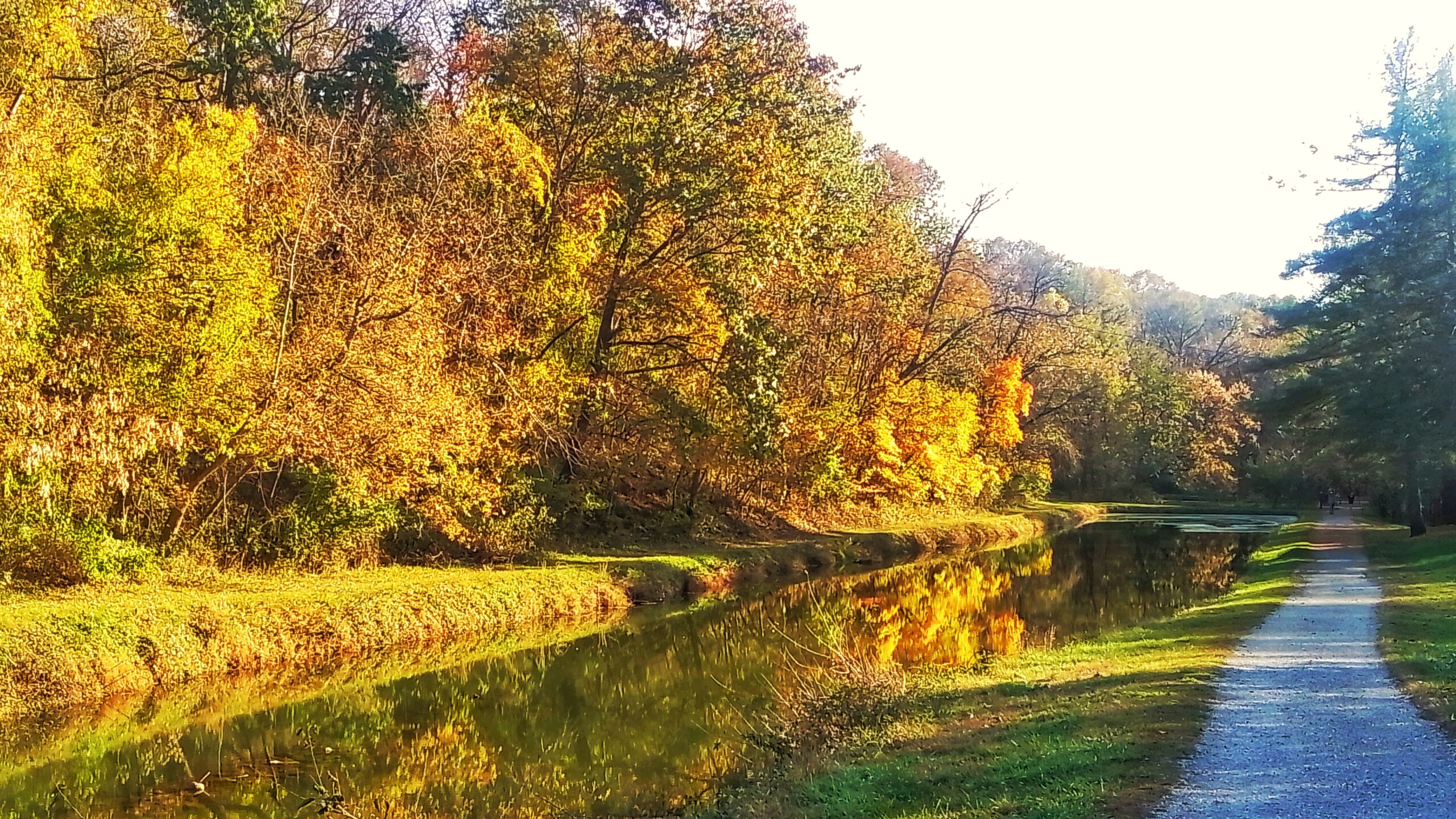
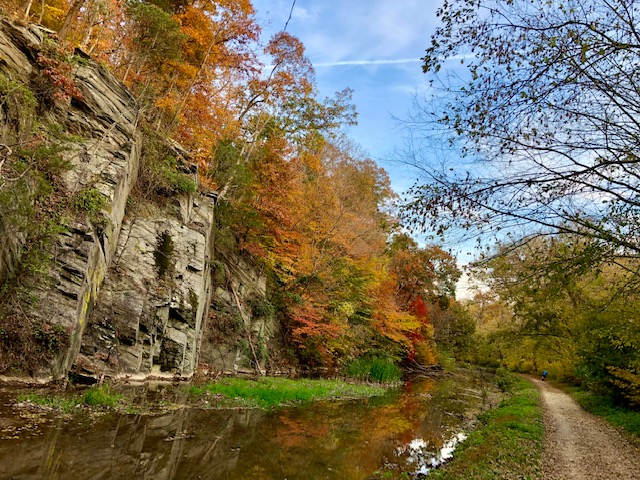
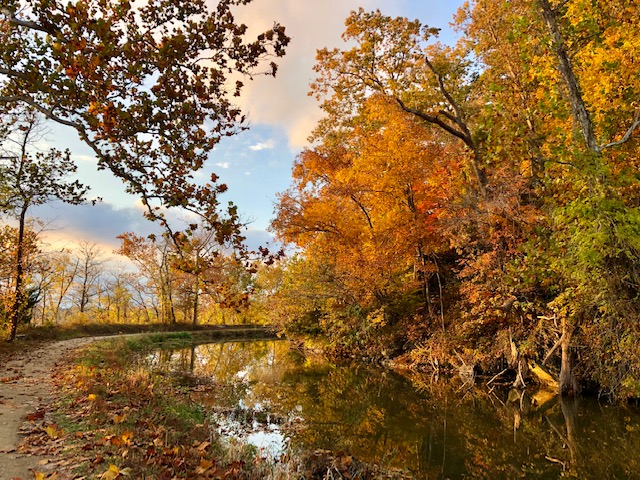
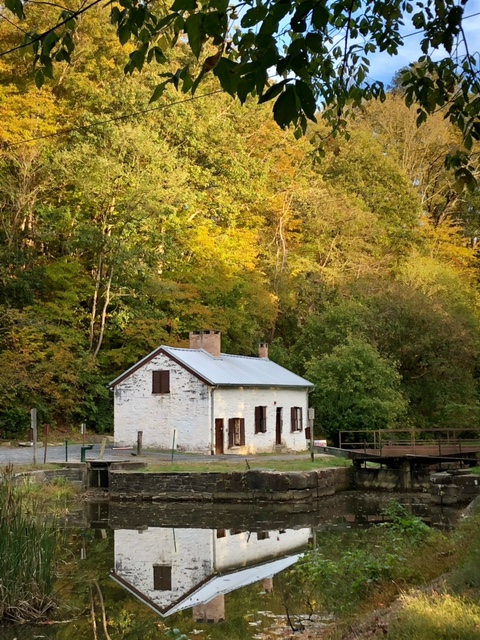
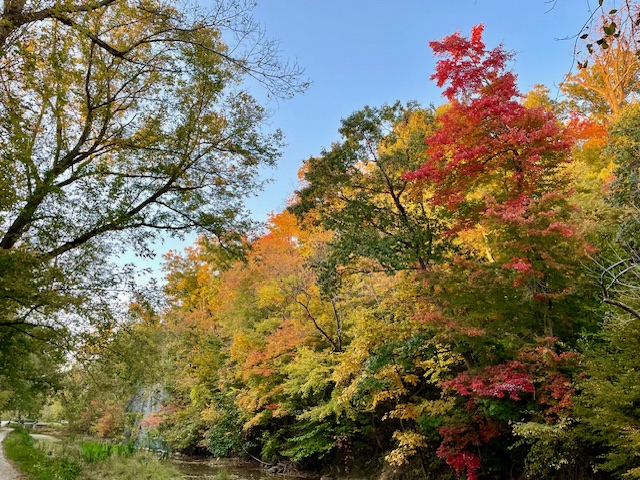
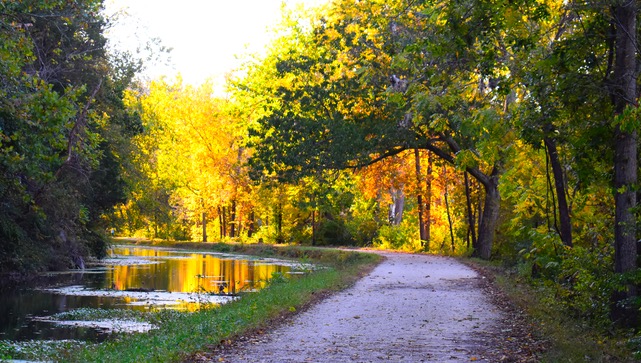
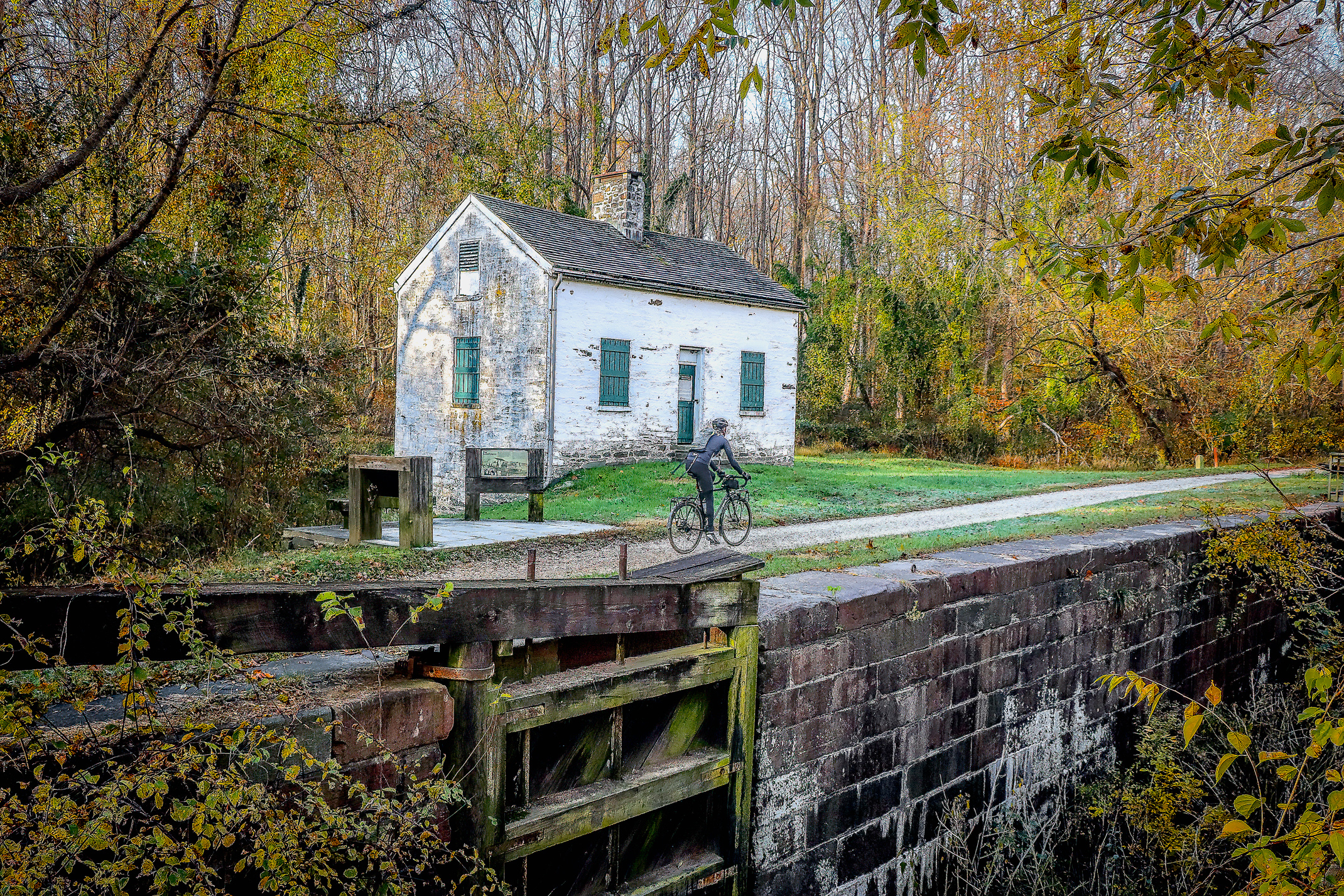
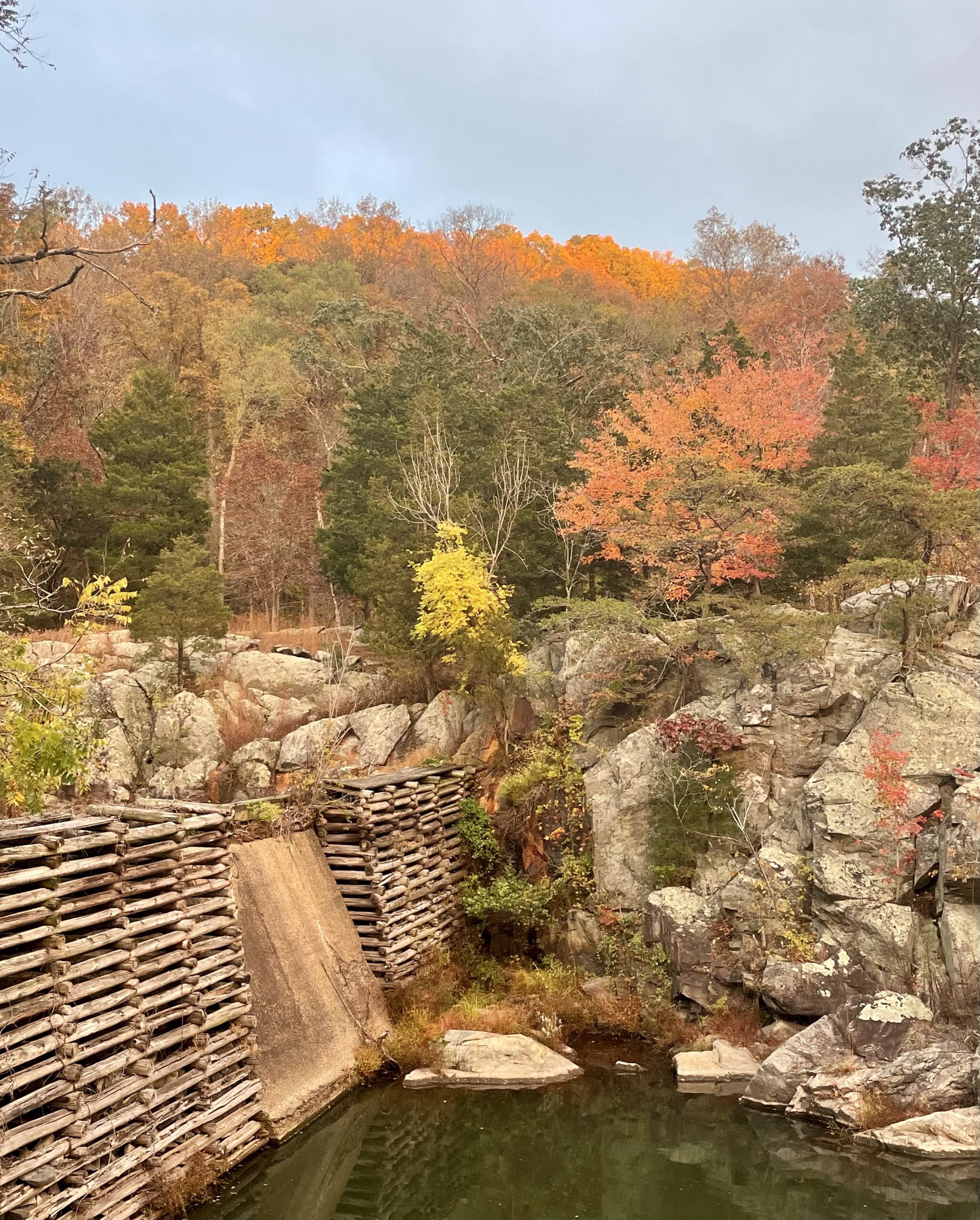
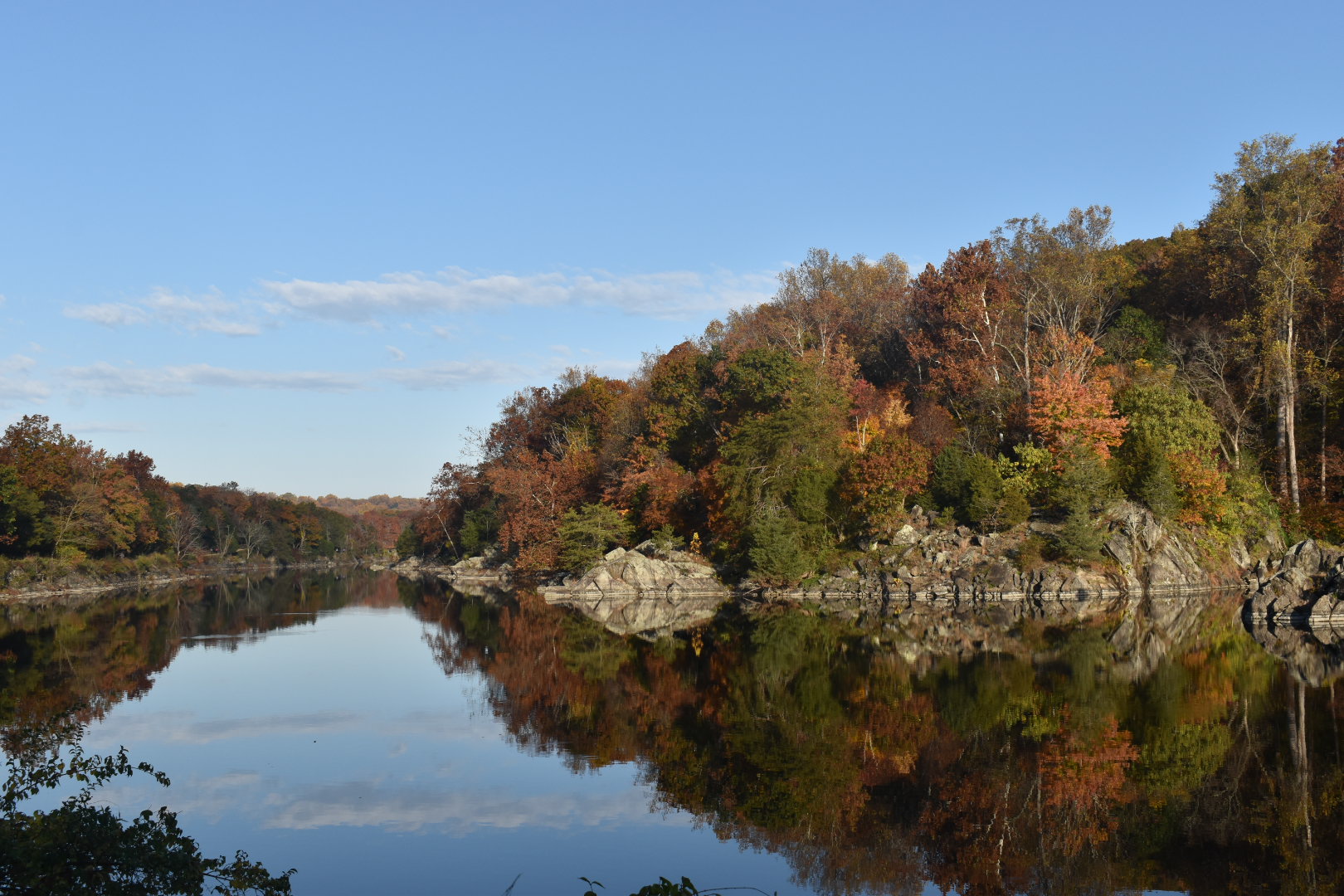
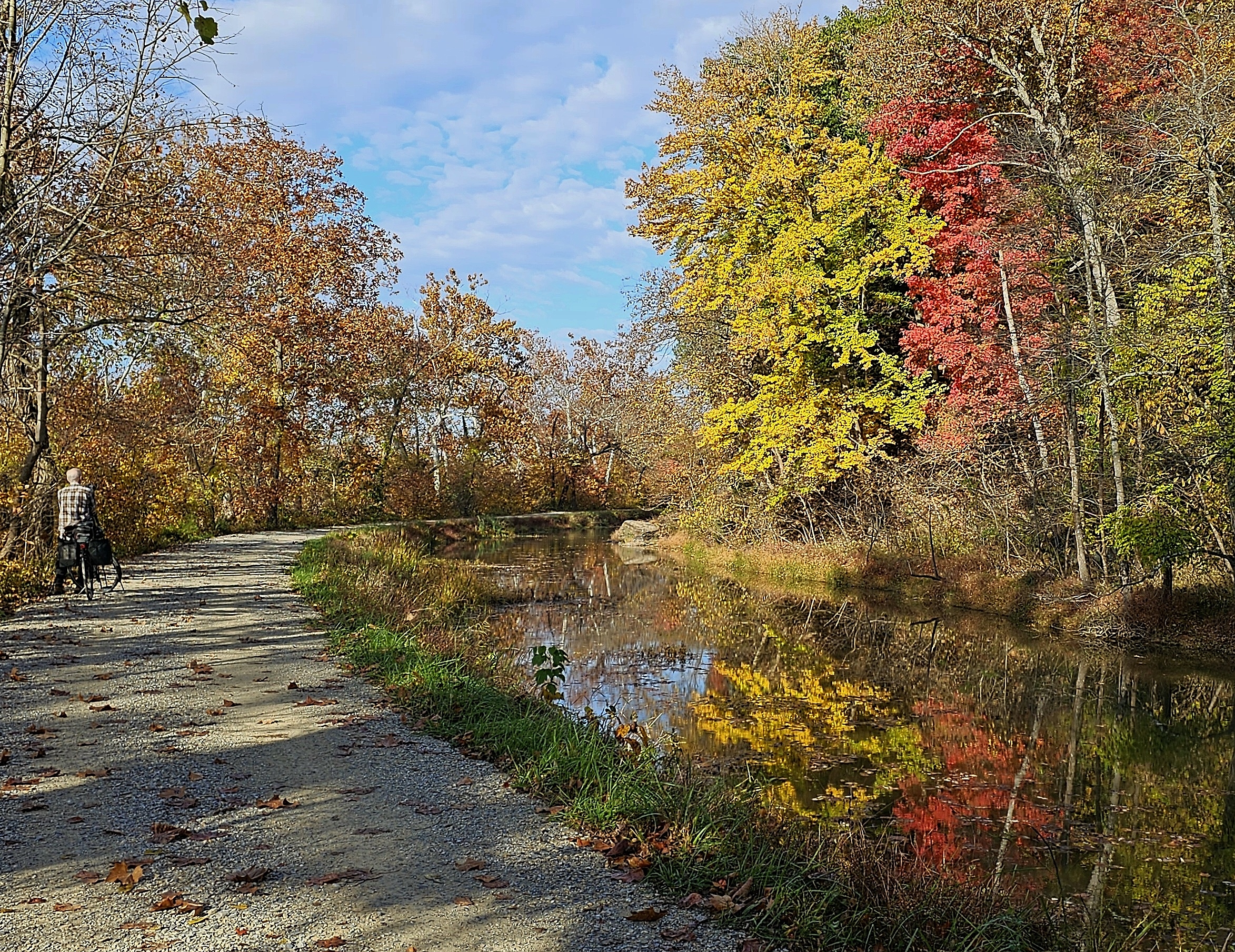
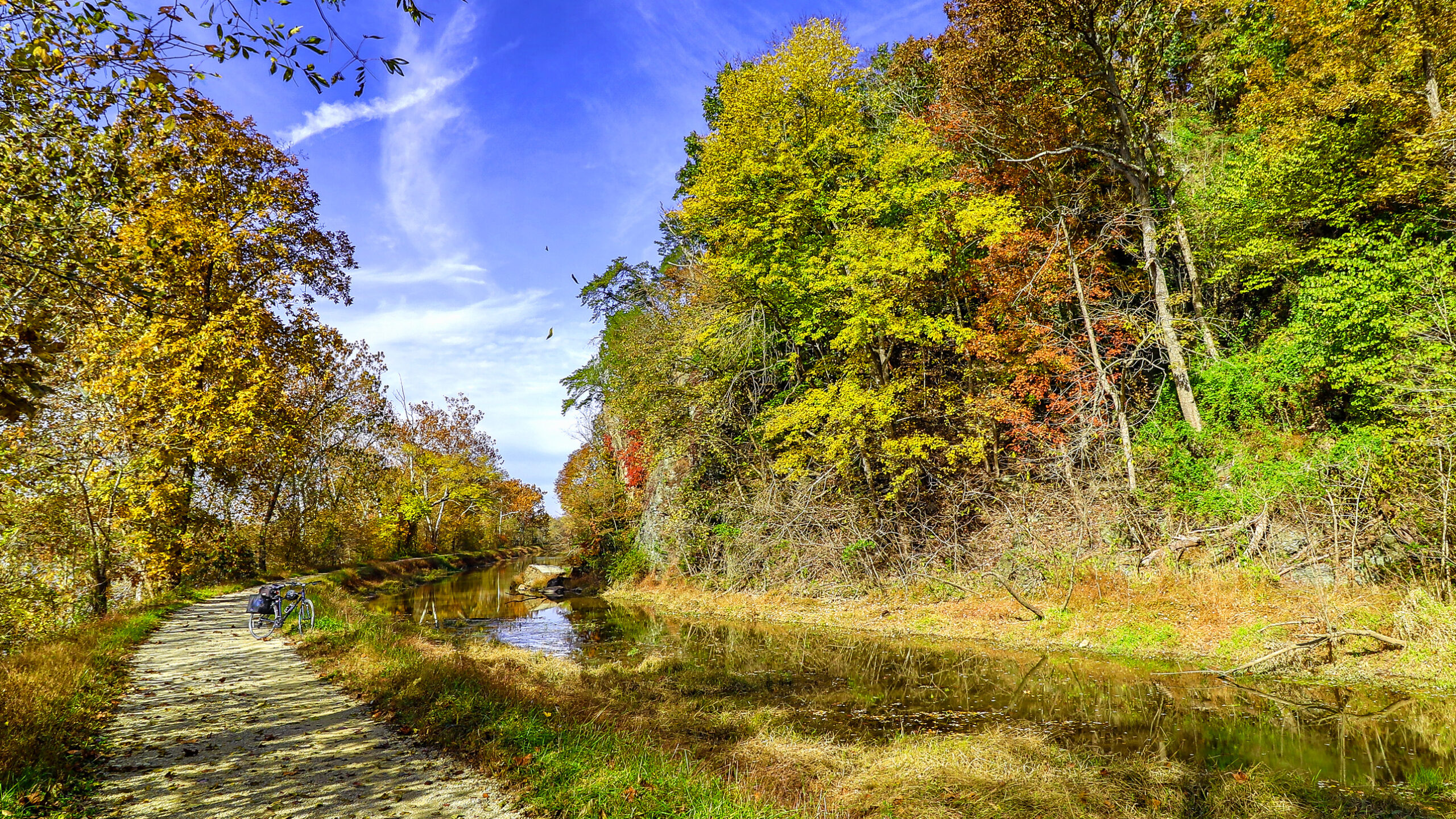
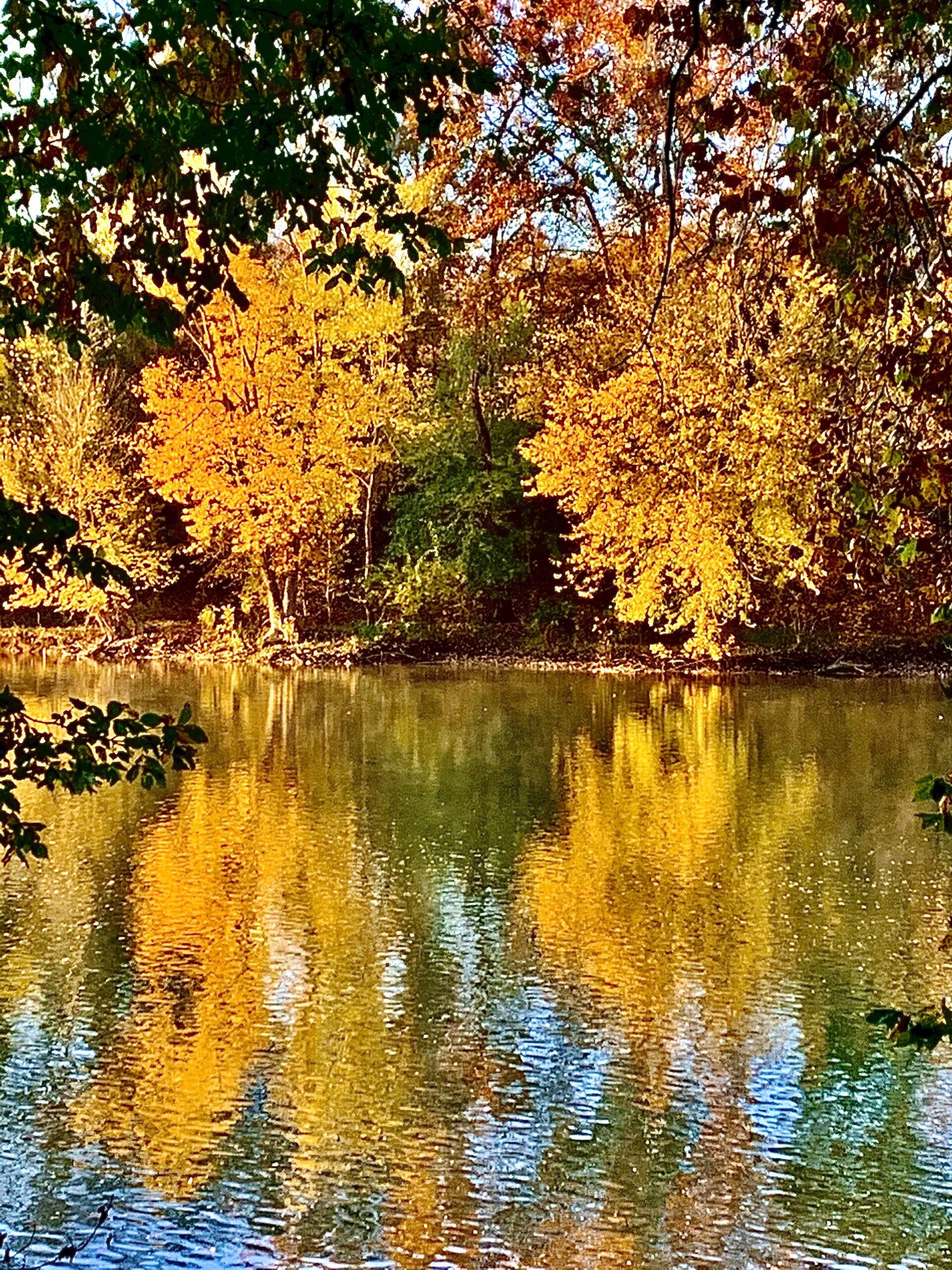
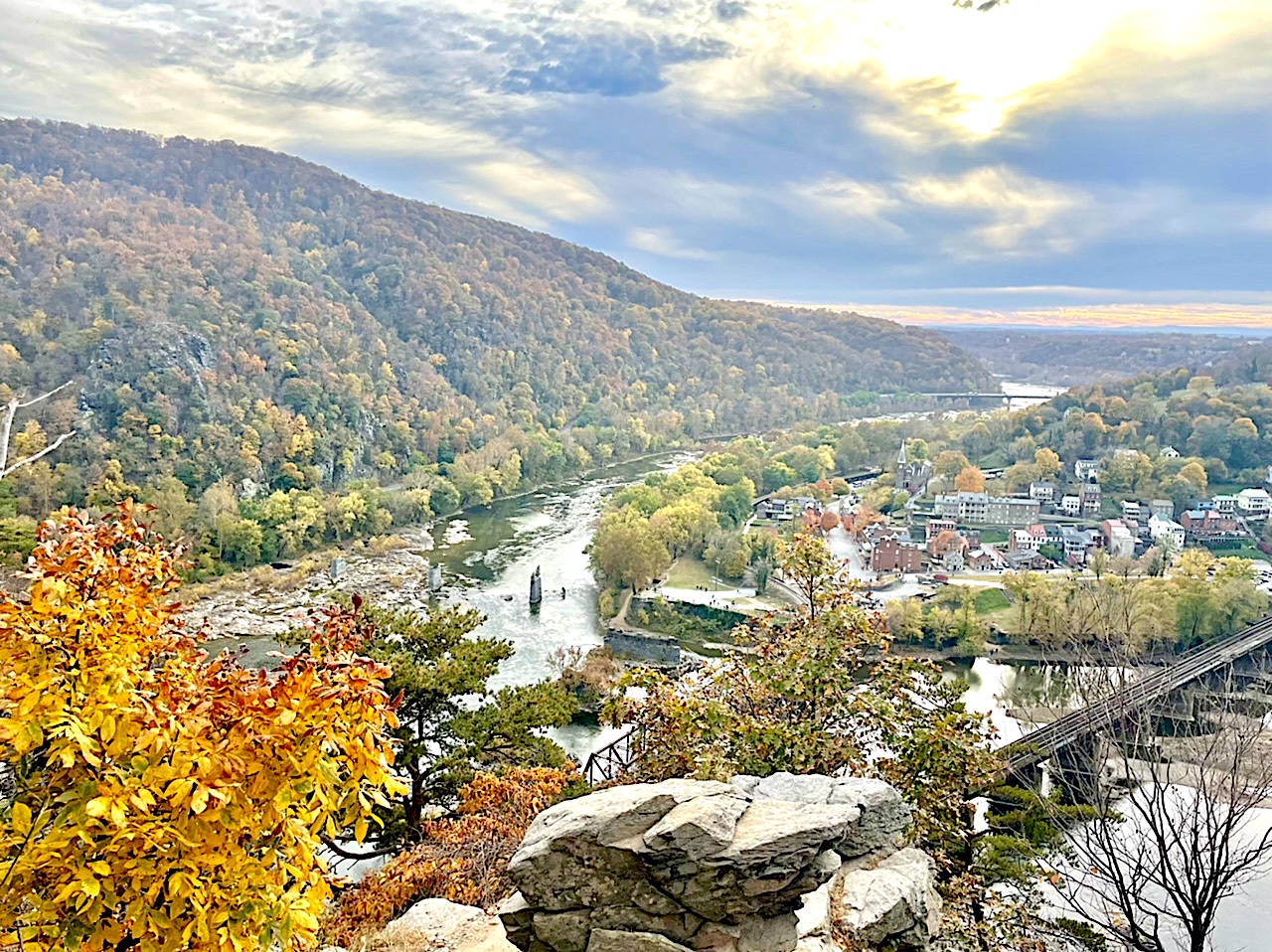
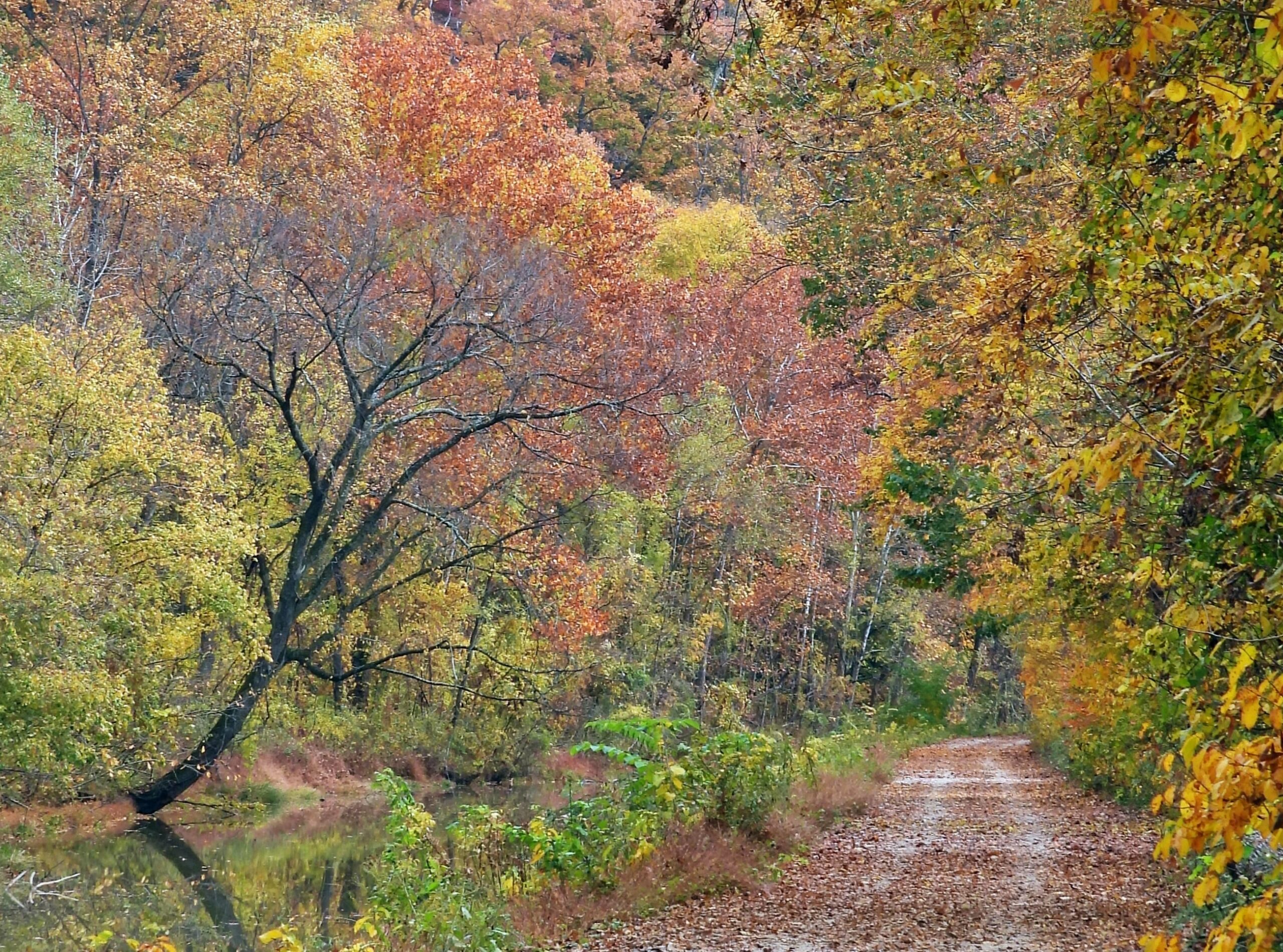
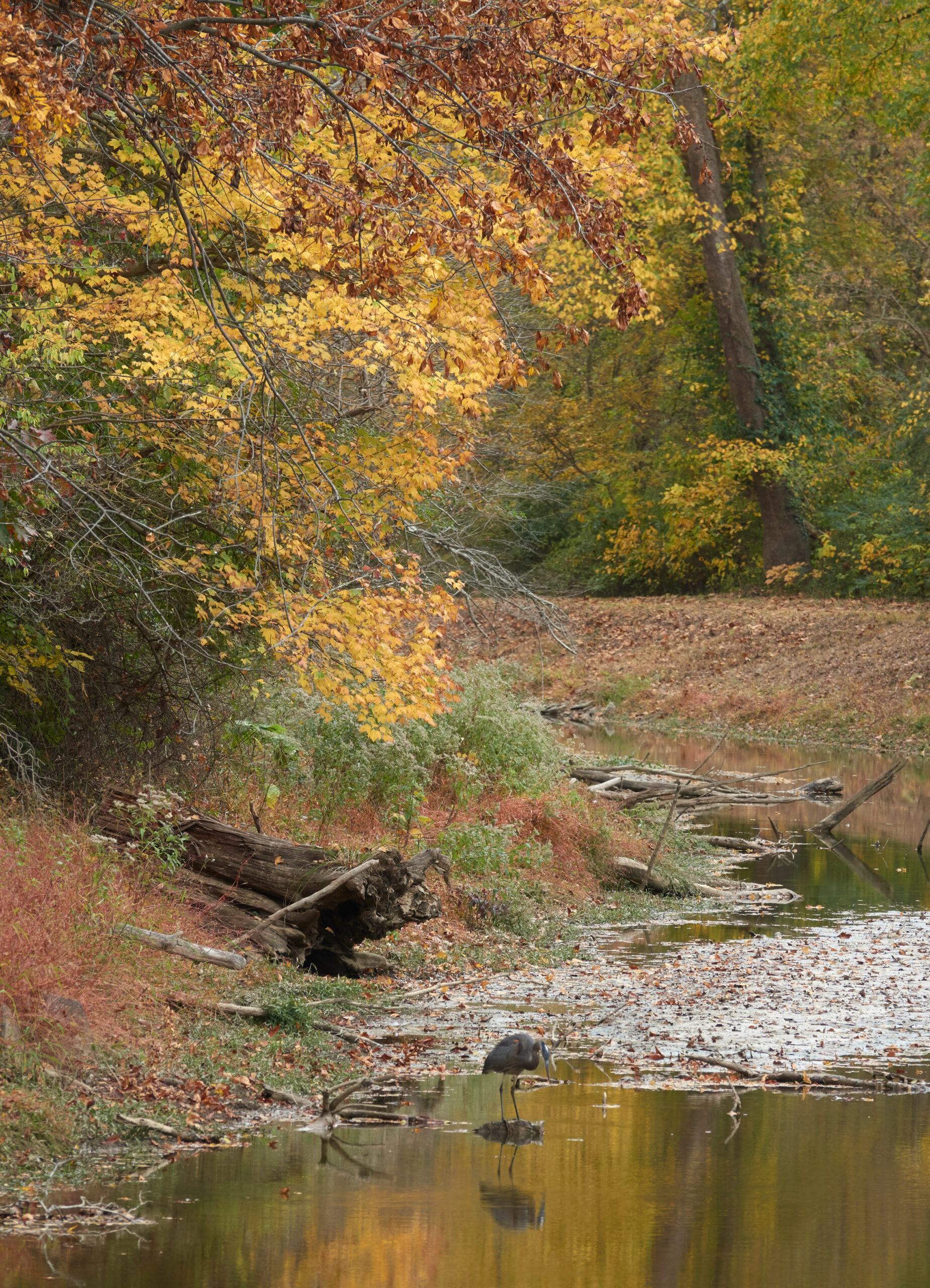
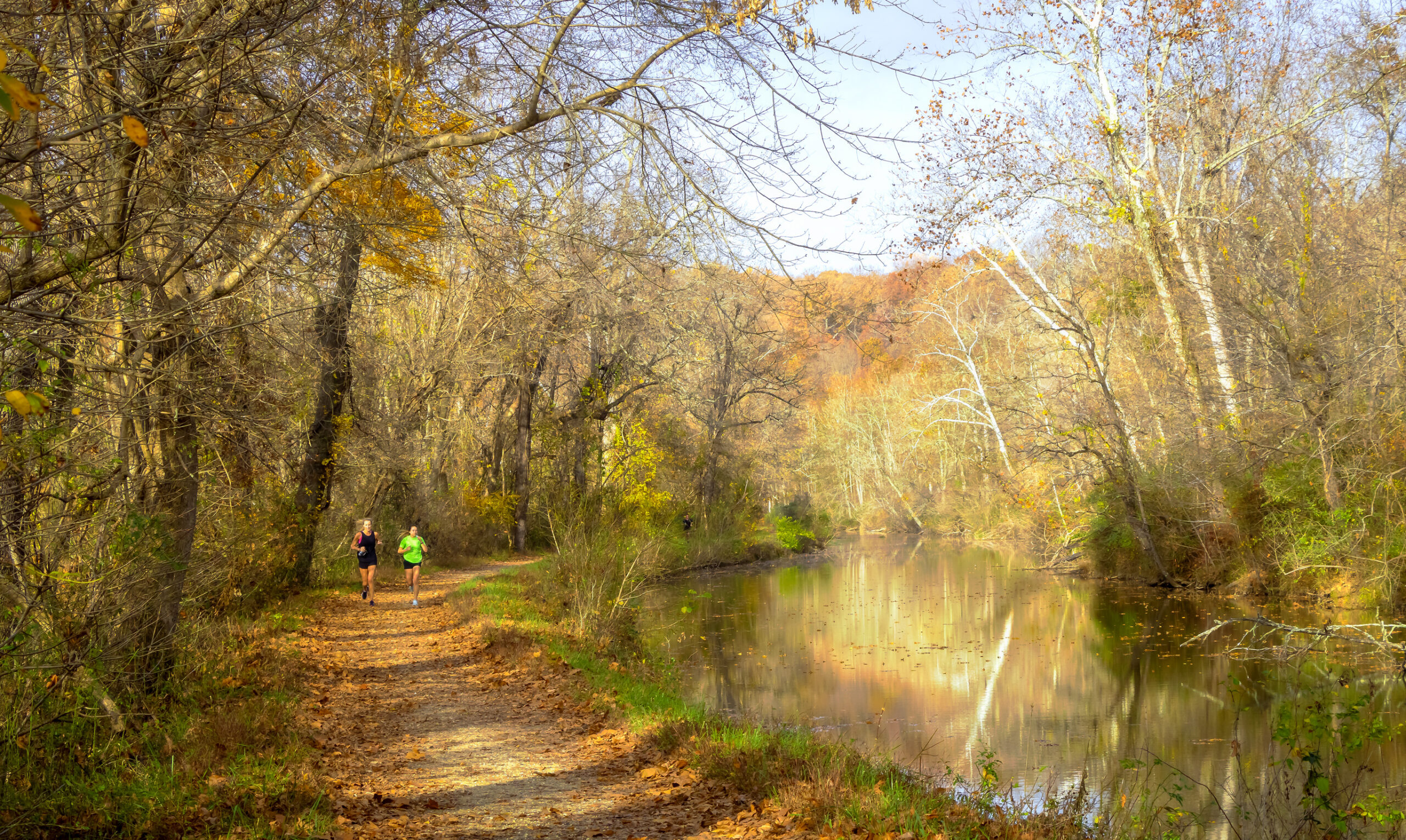
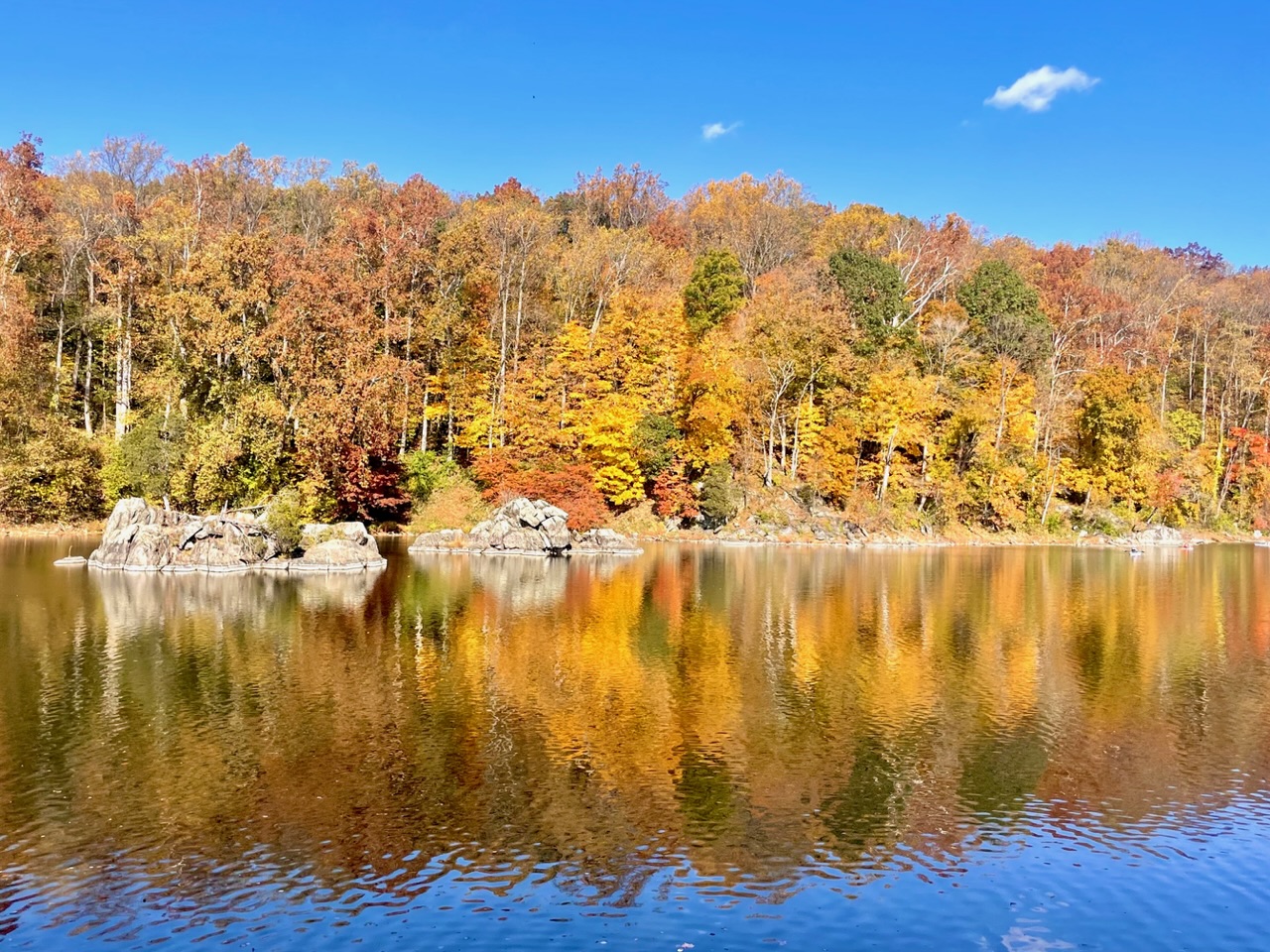
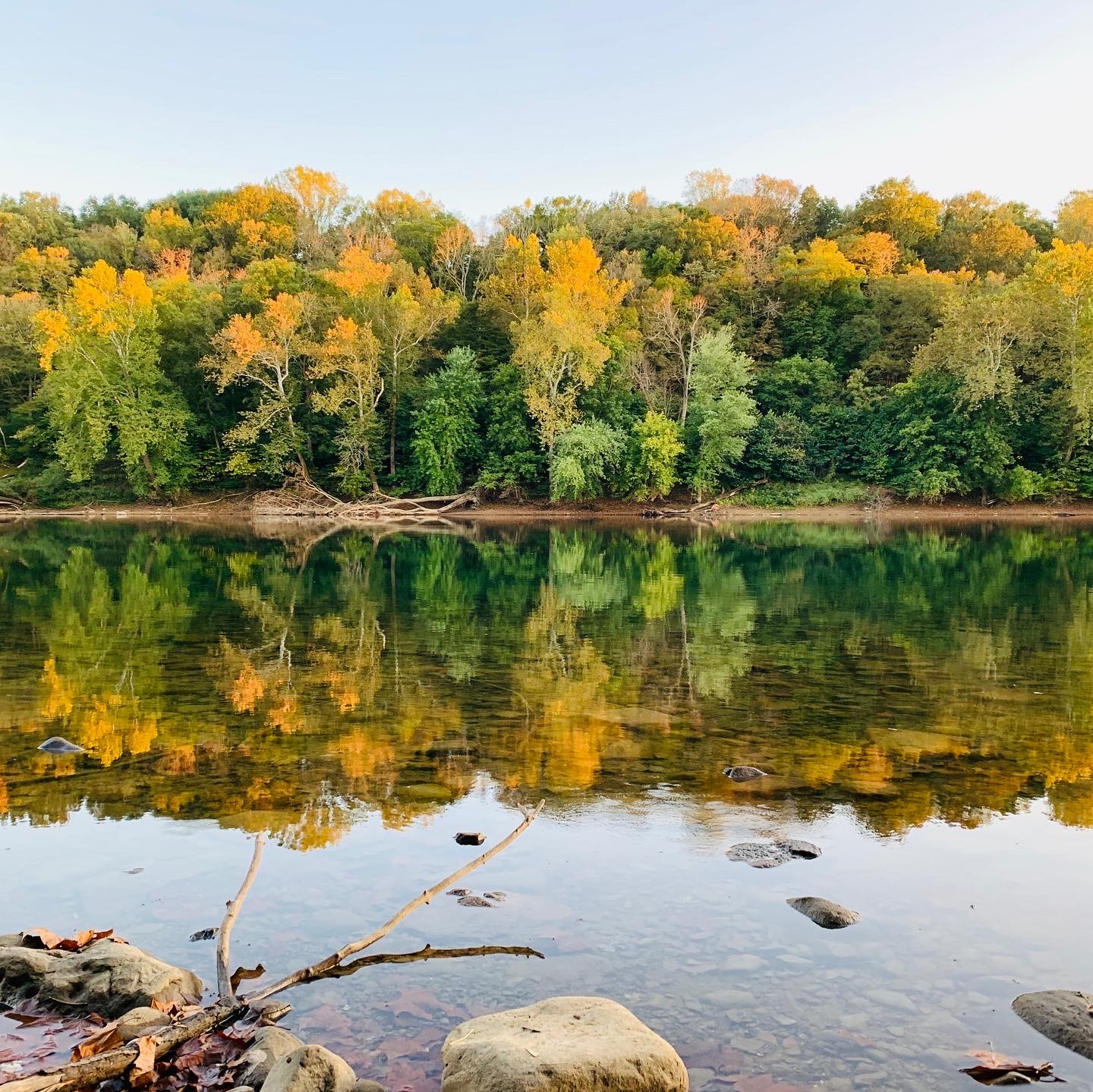
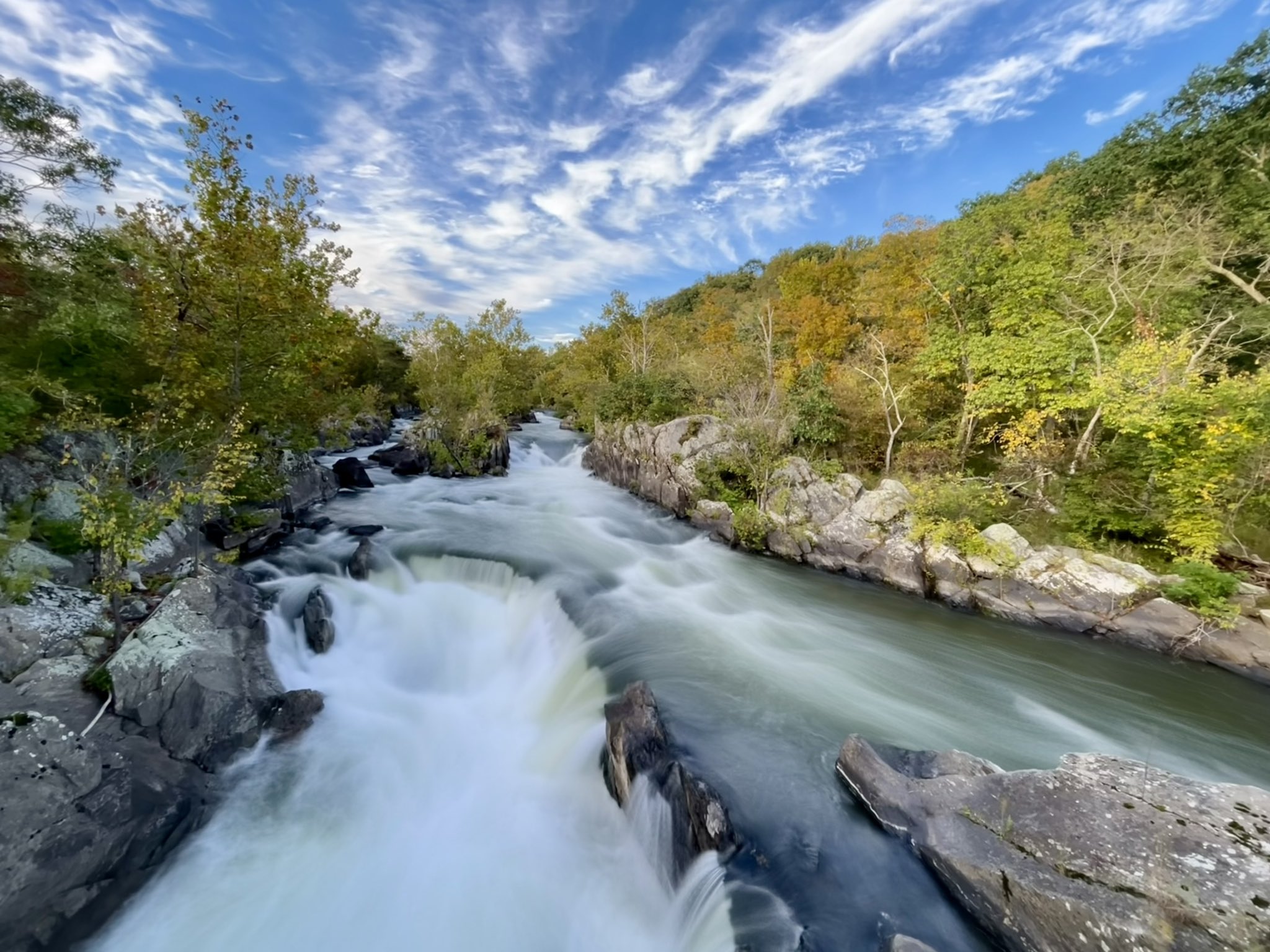
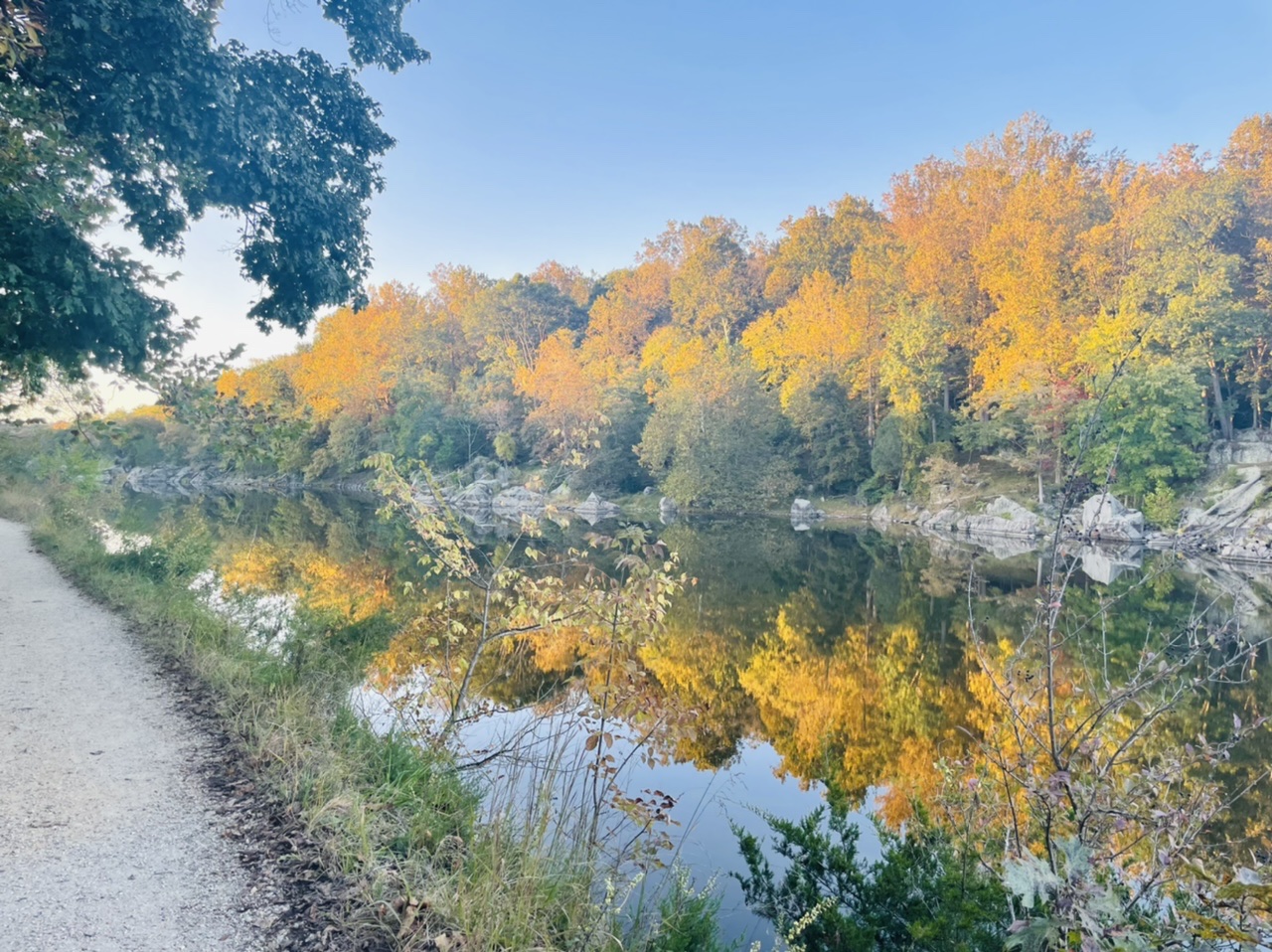
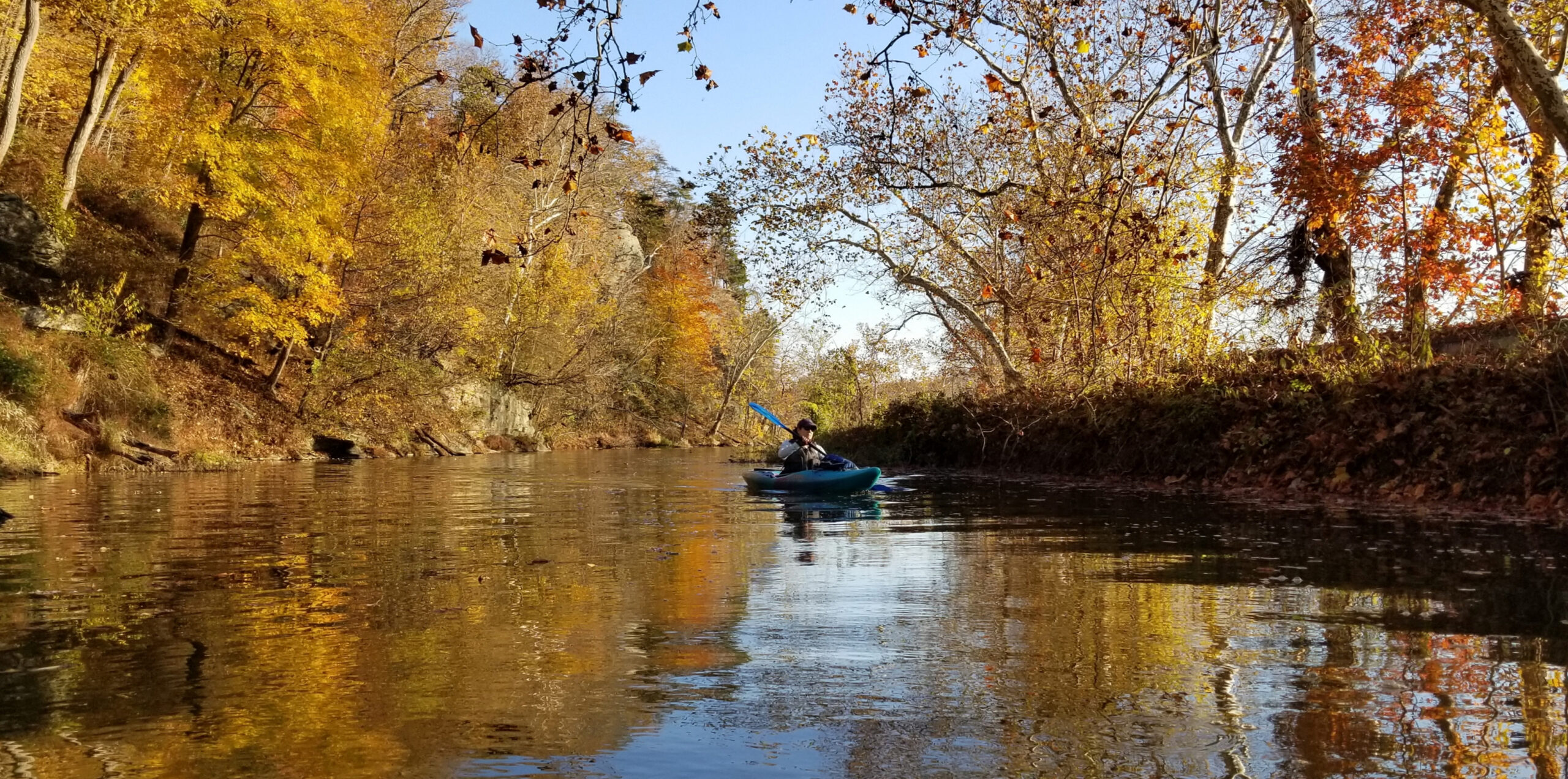
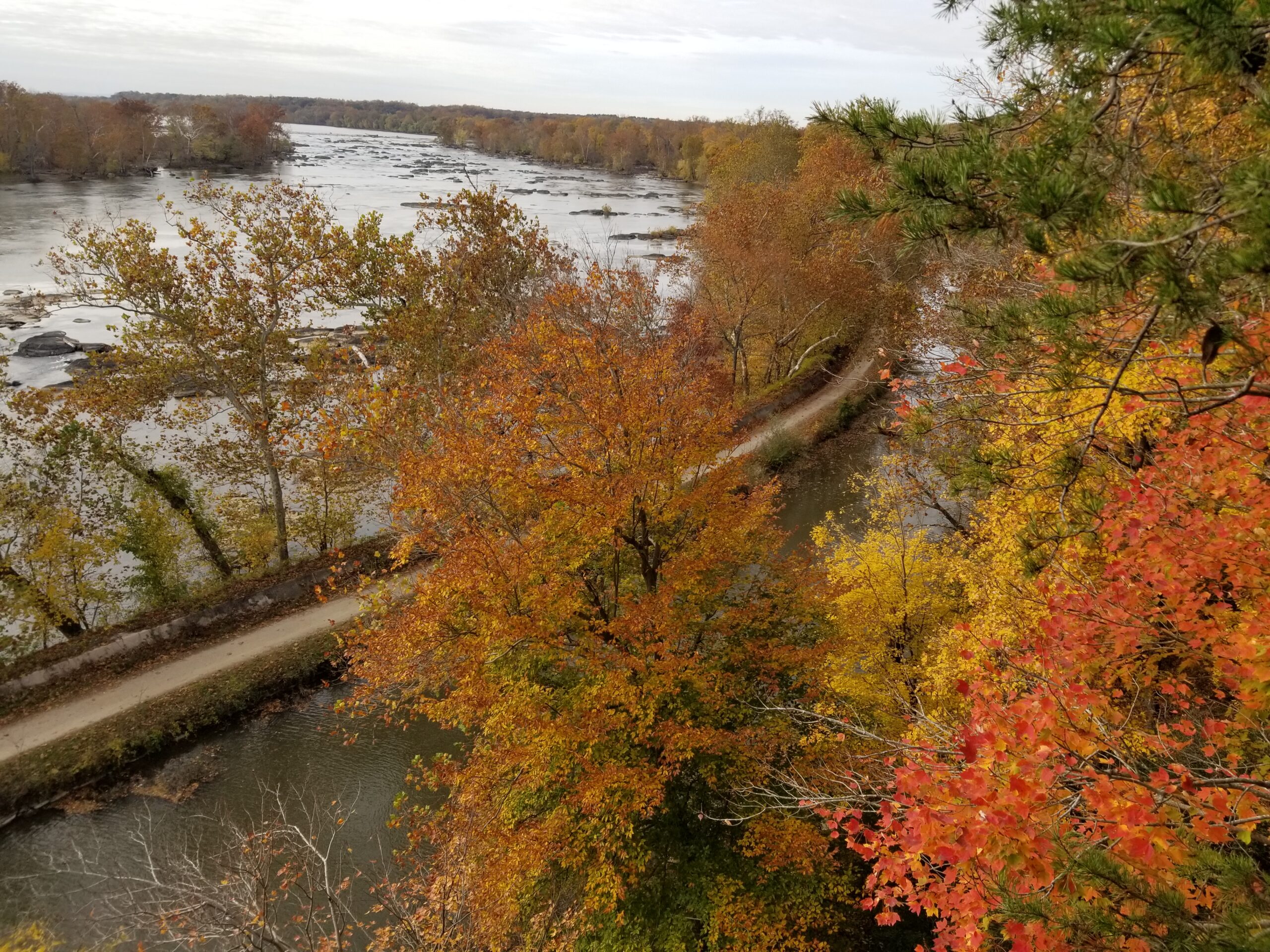
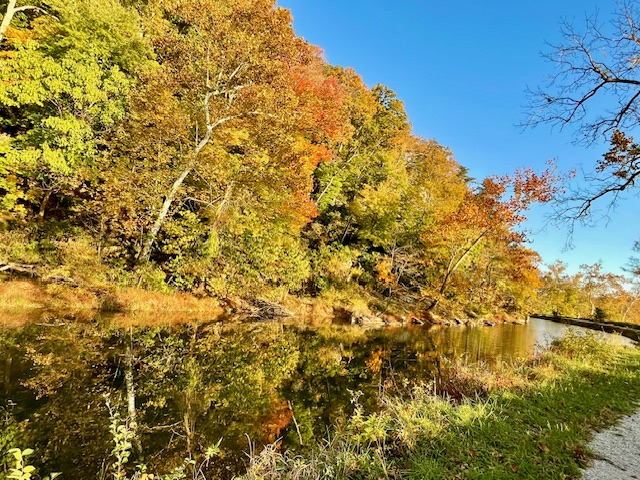
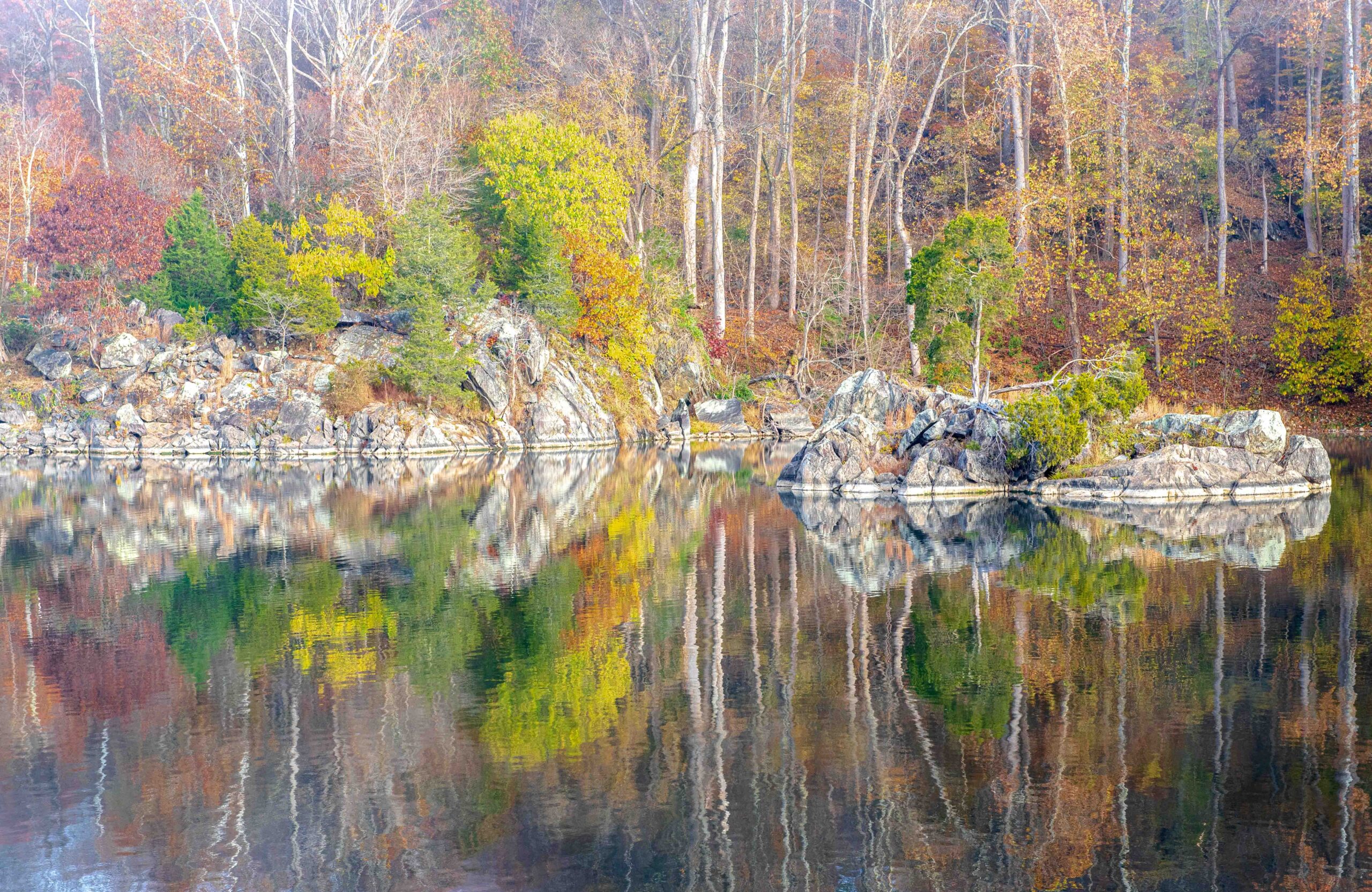
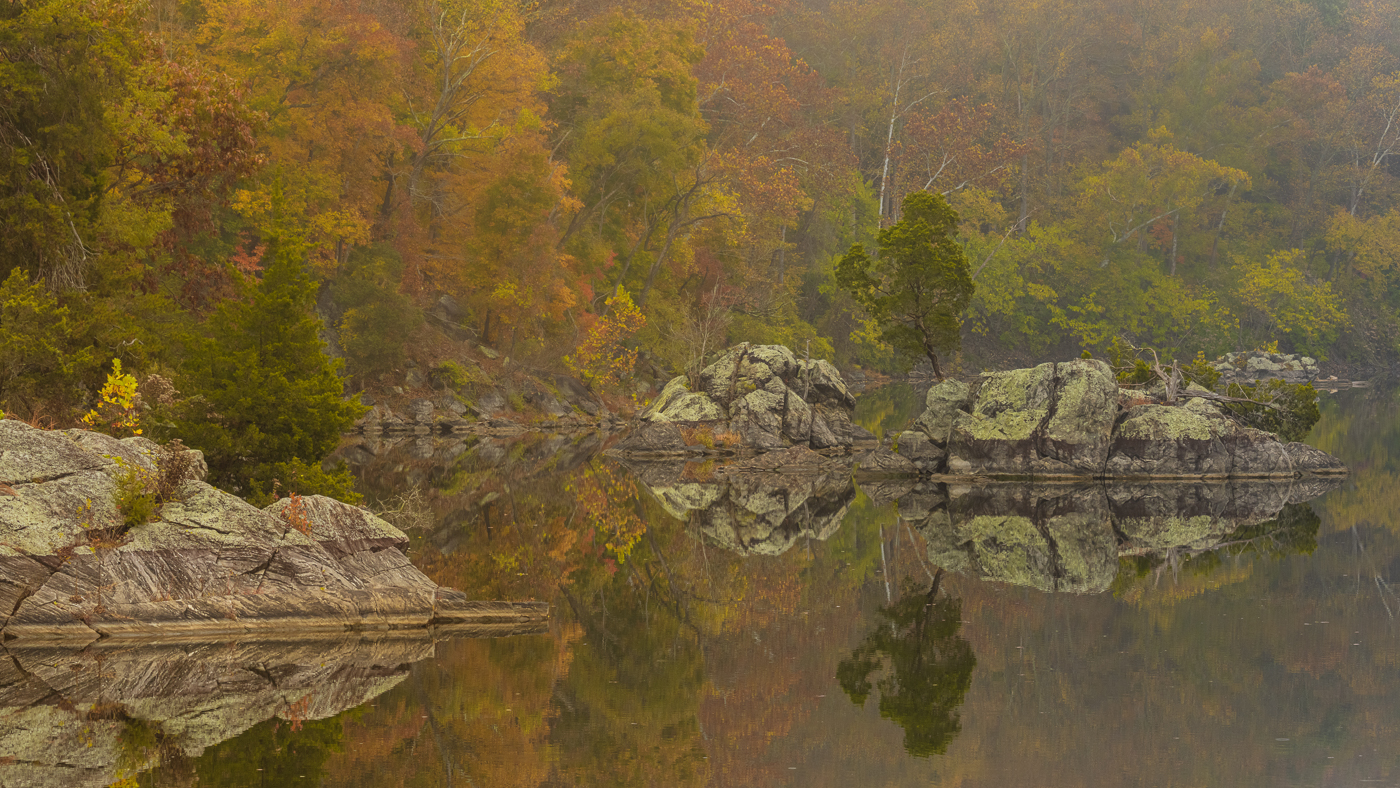
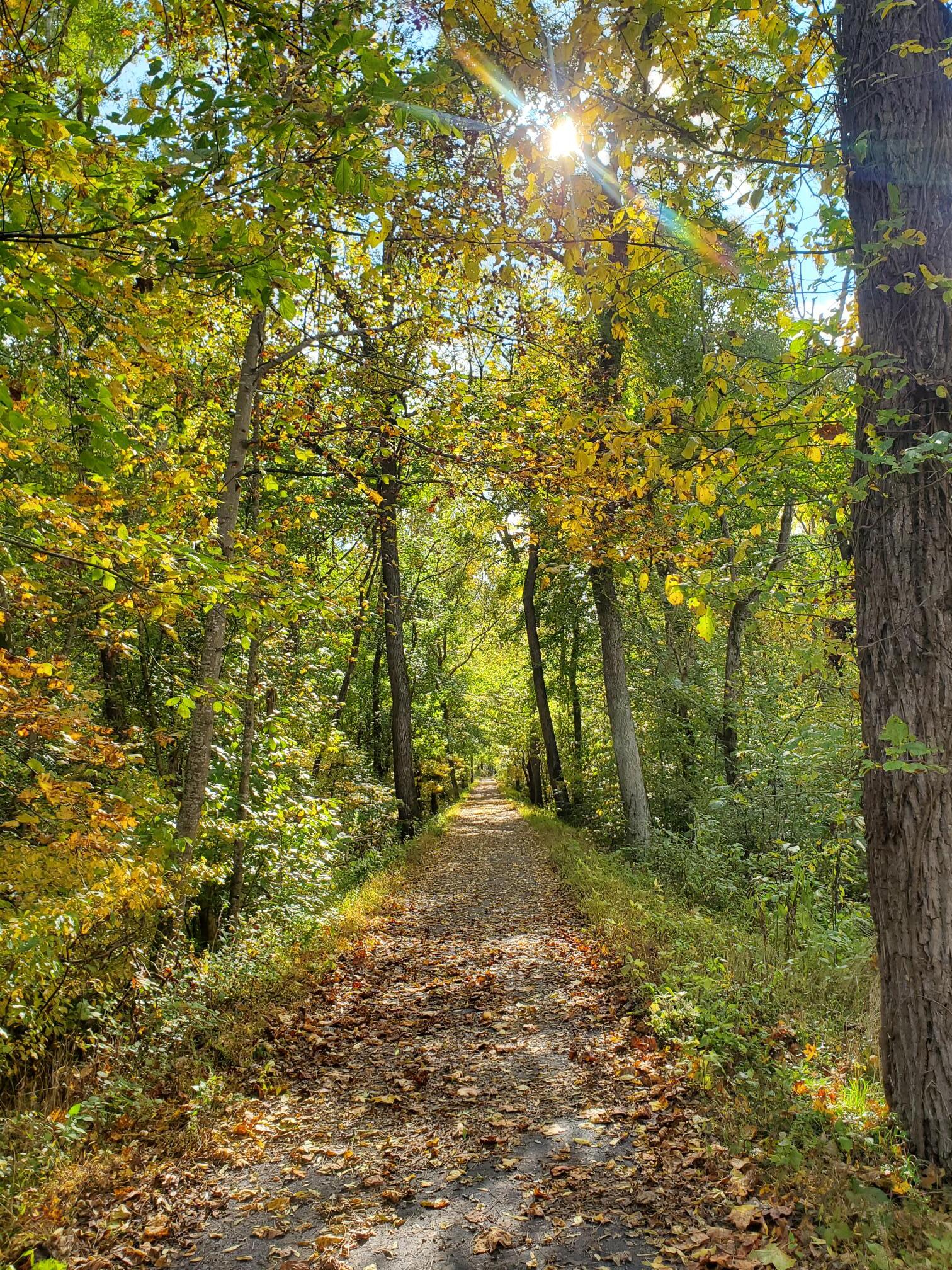
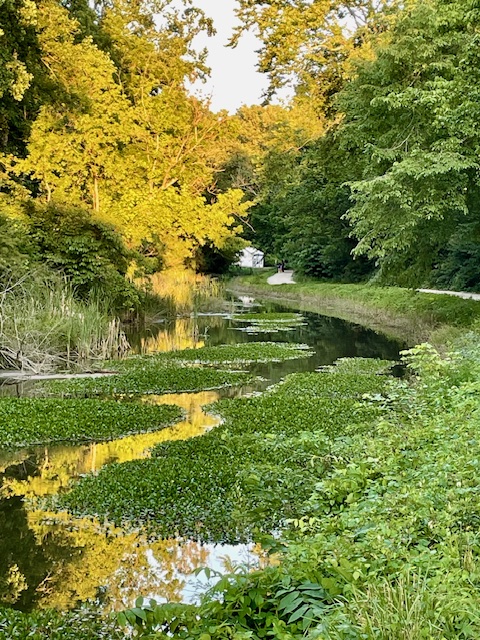
Fall Photo Gallery

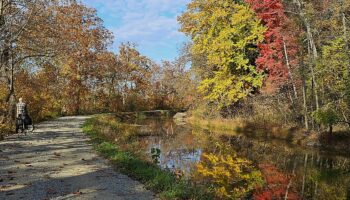
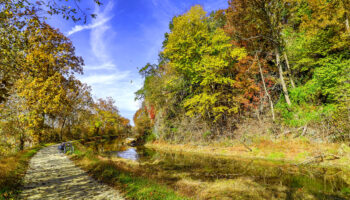
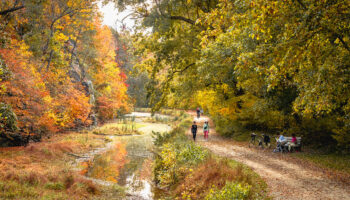
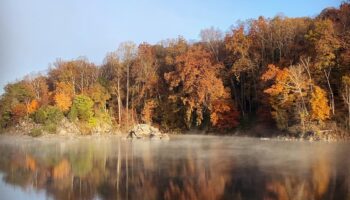
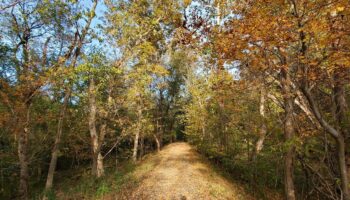
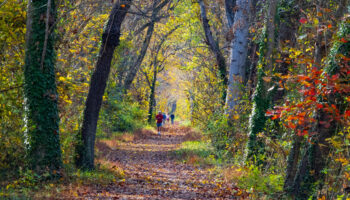
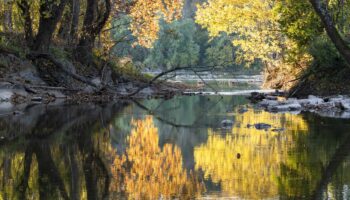
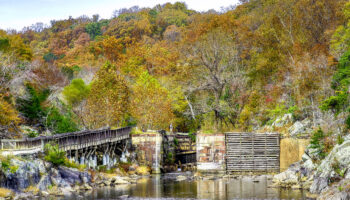
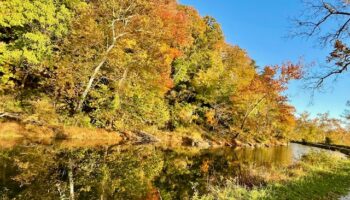
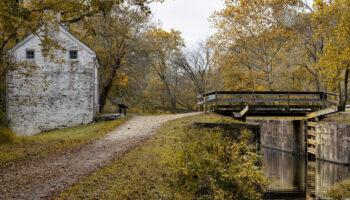
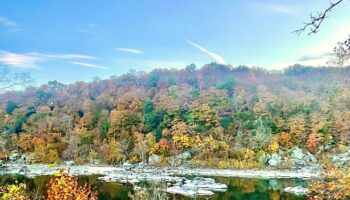
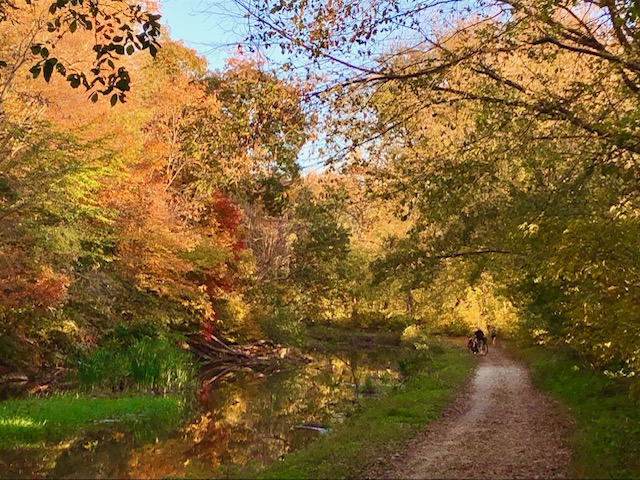
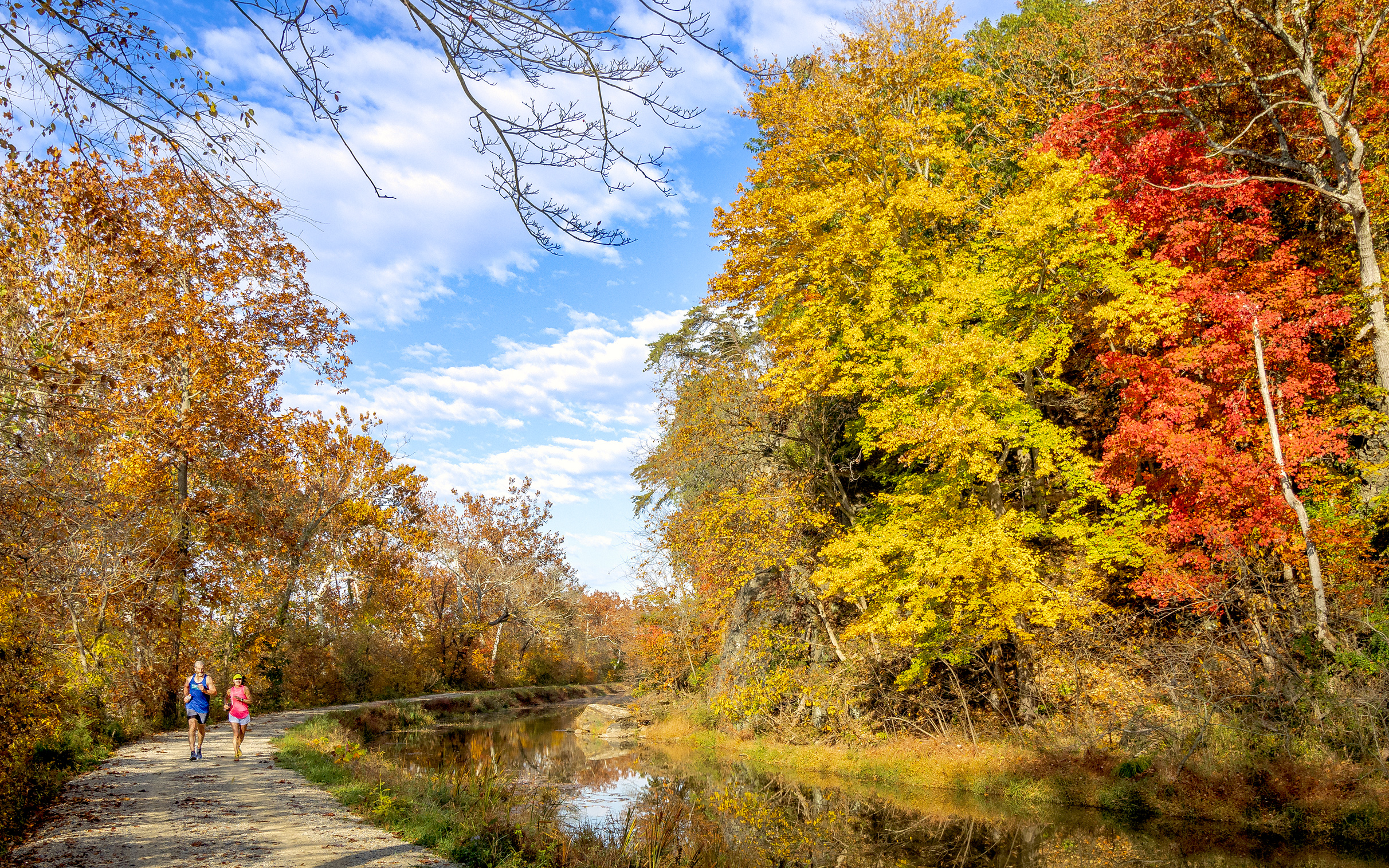
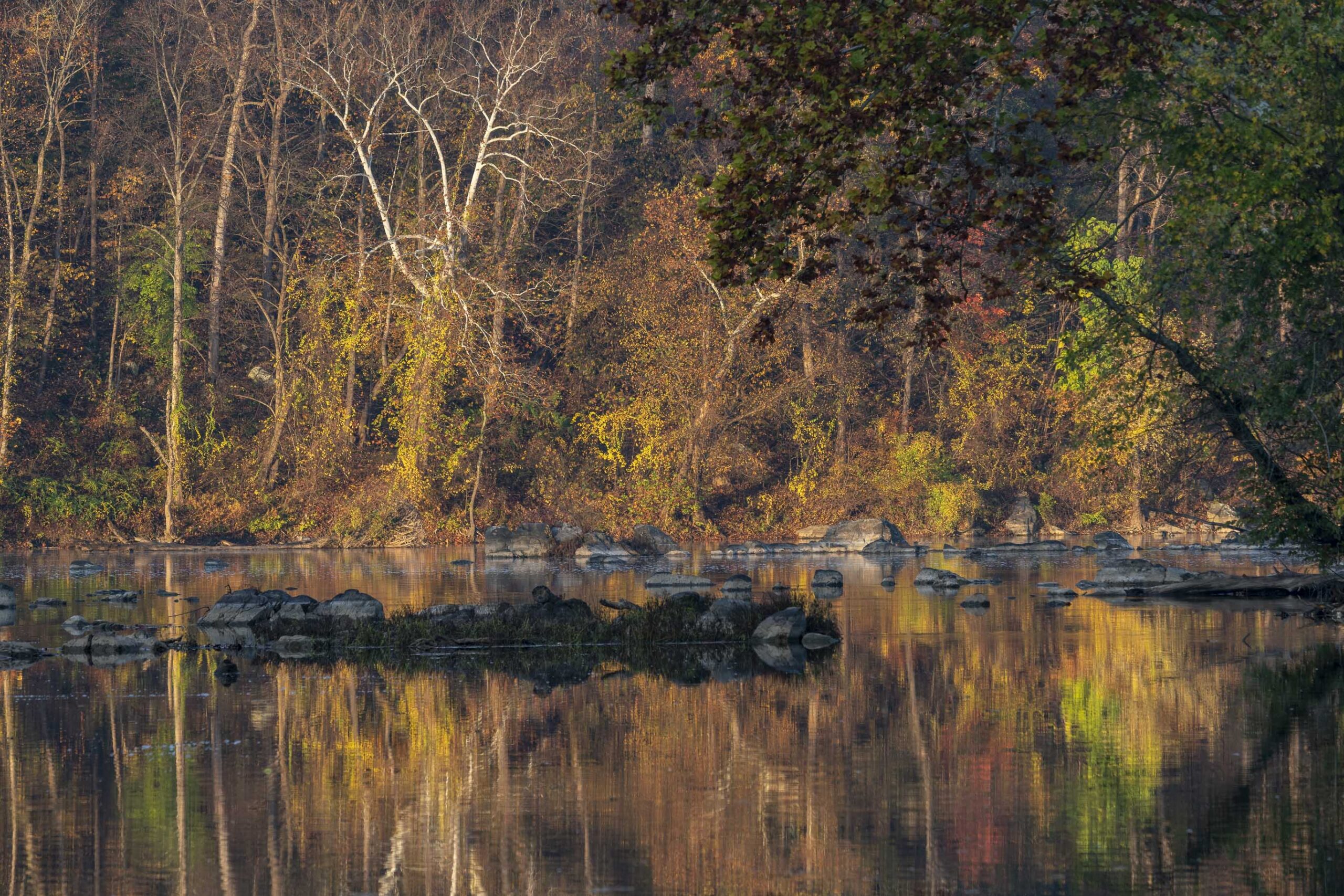
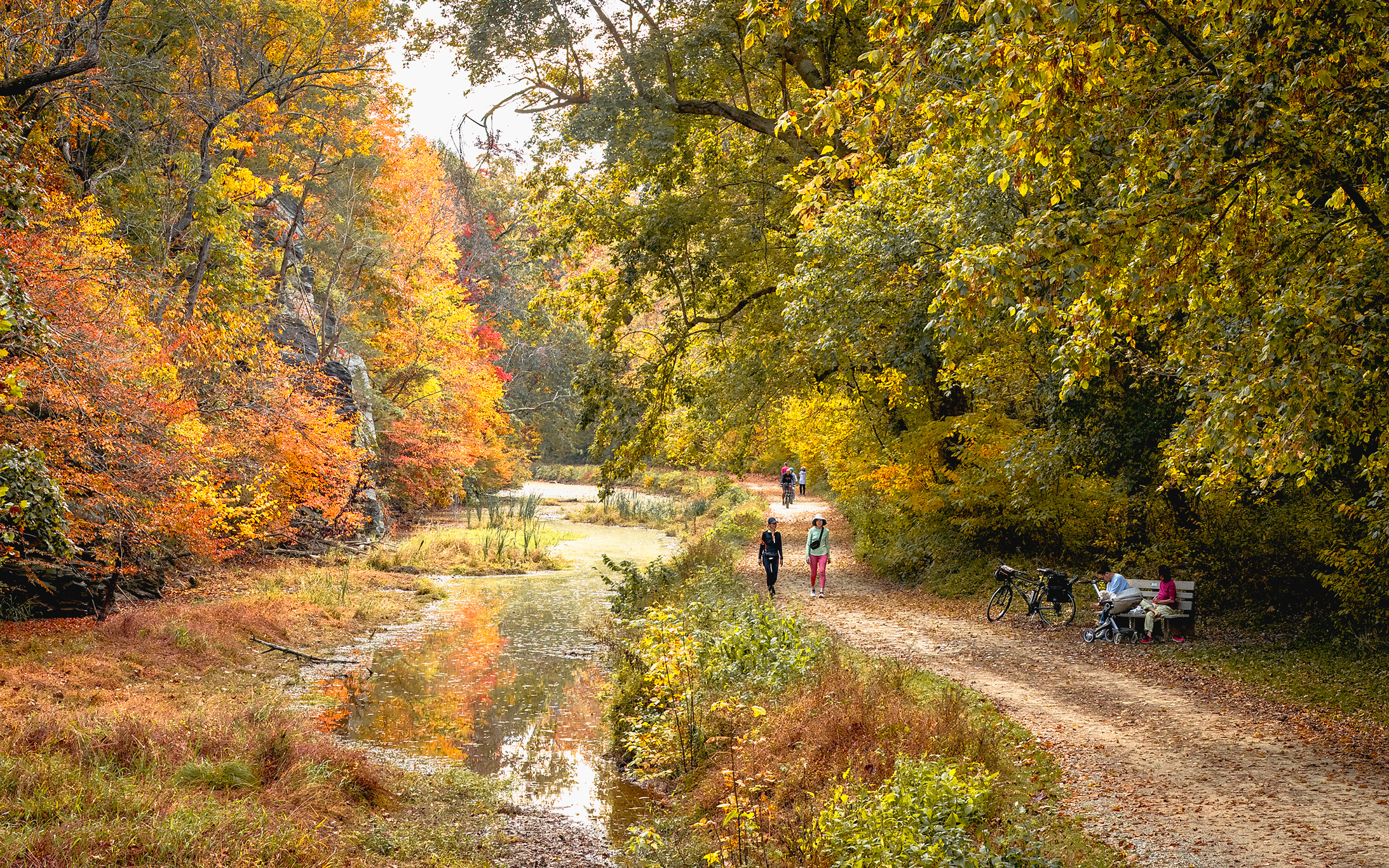
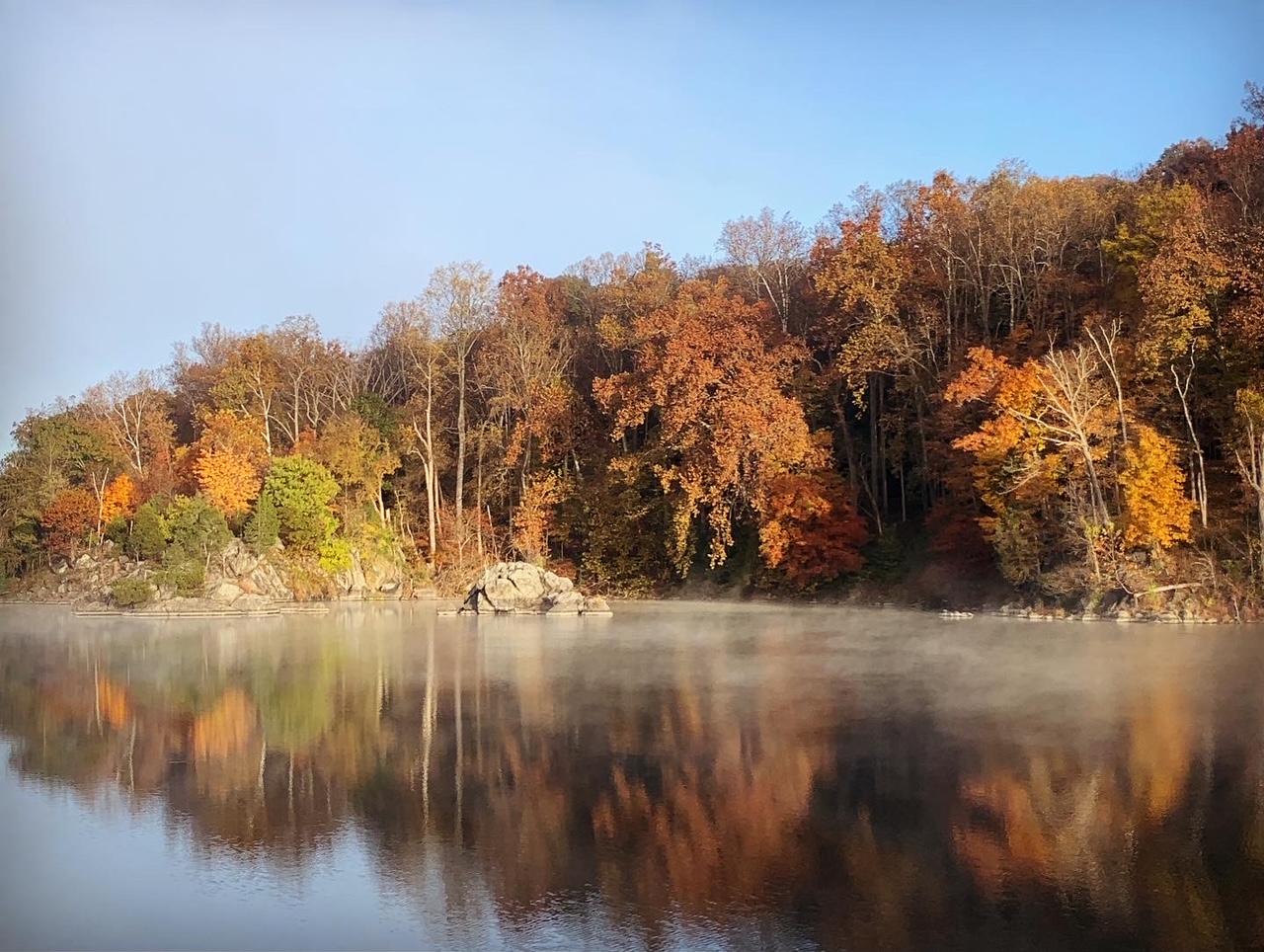
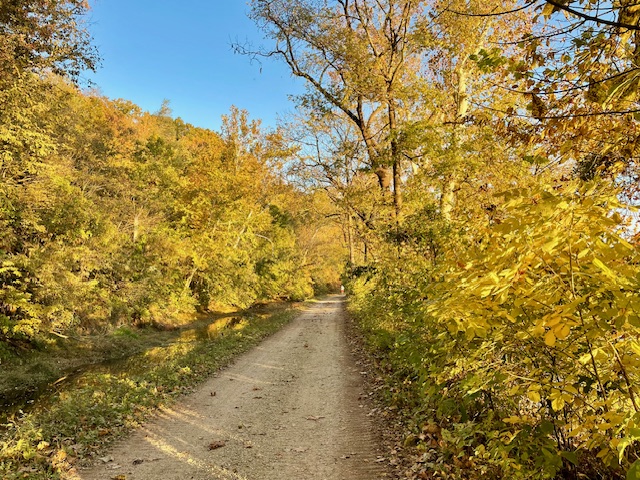
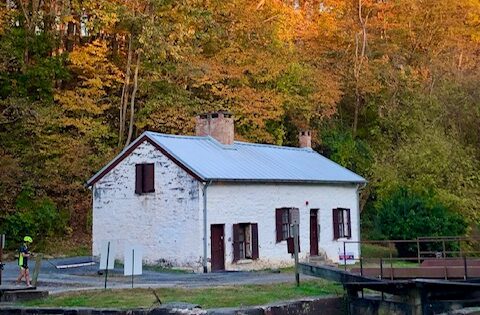
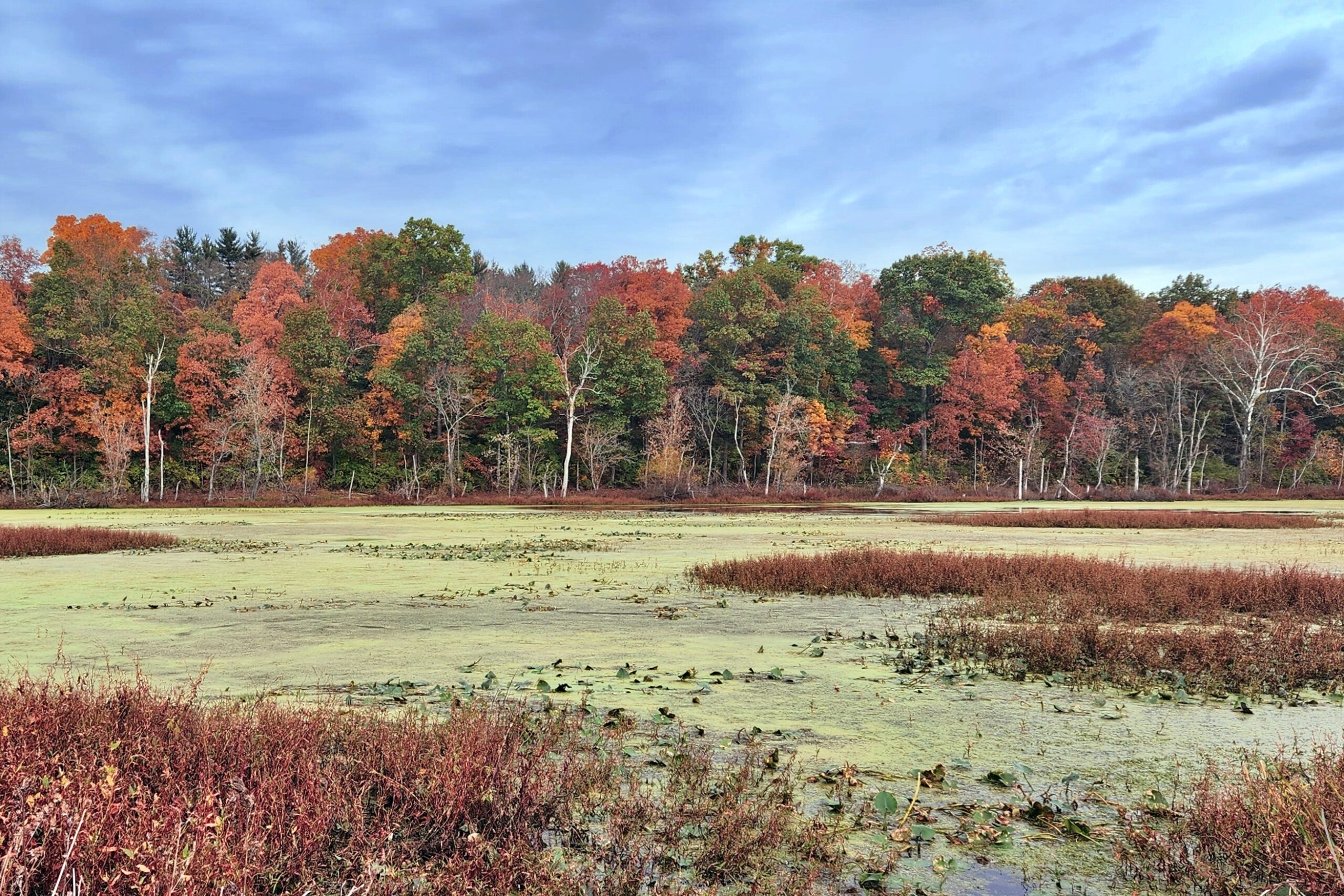
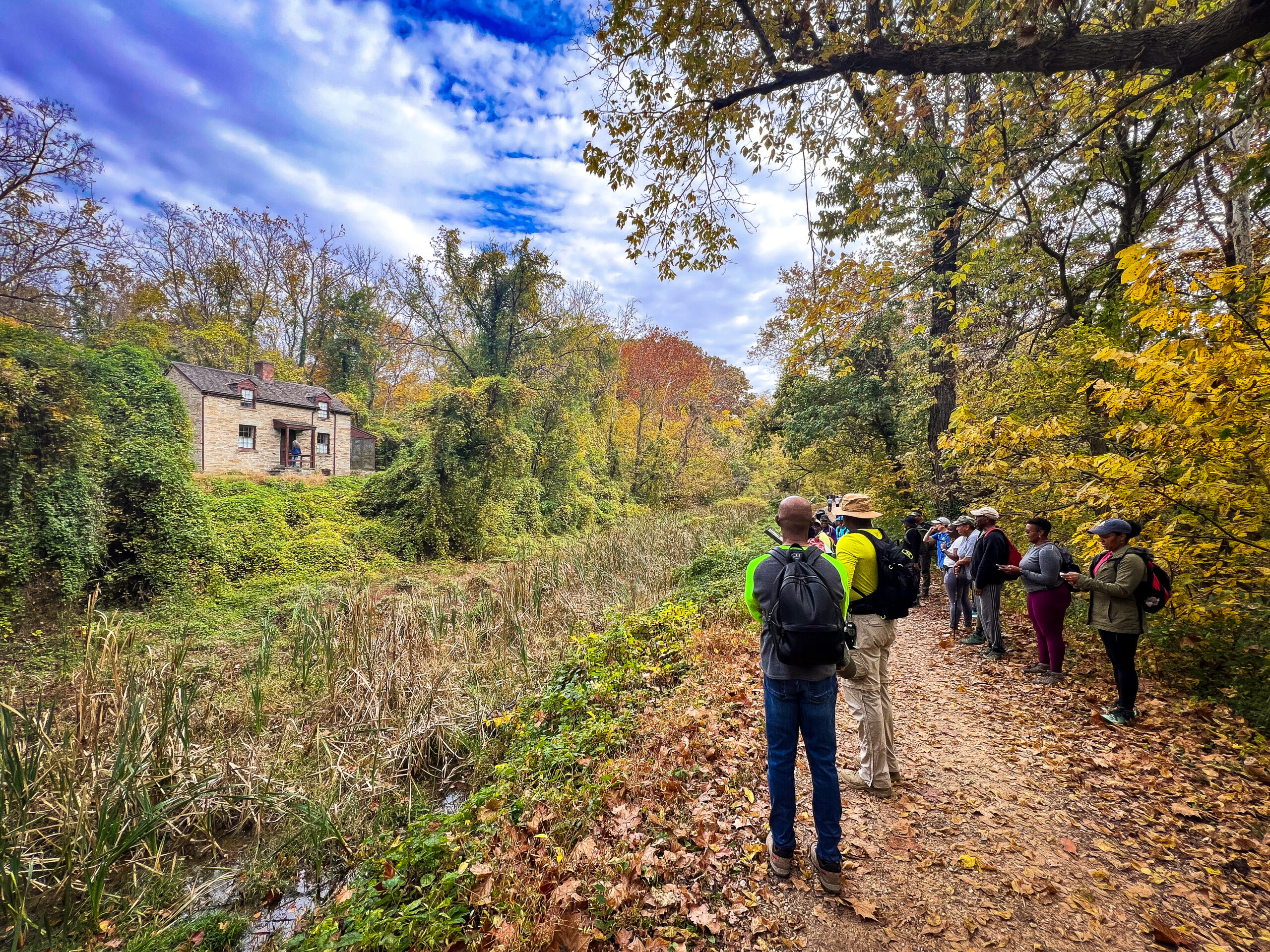
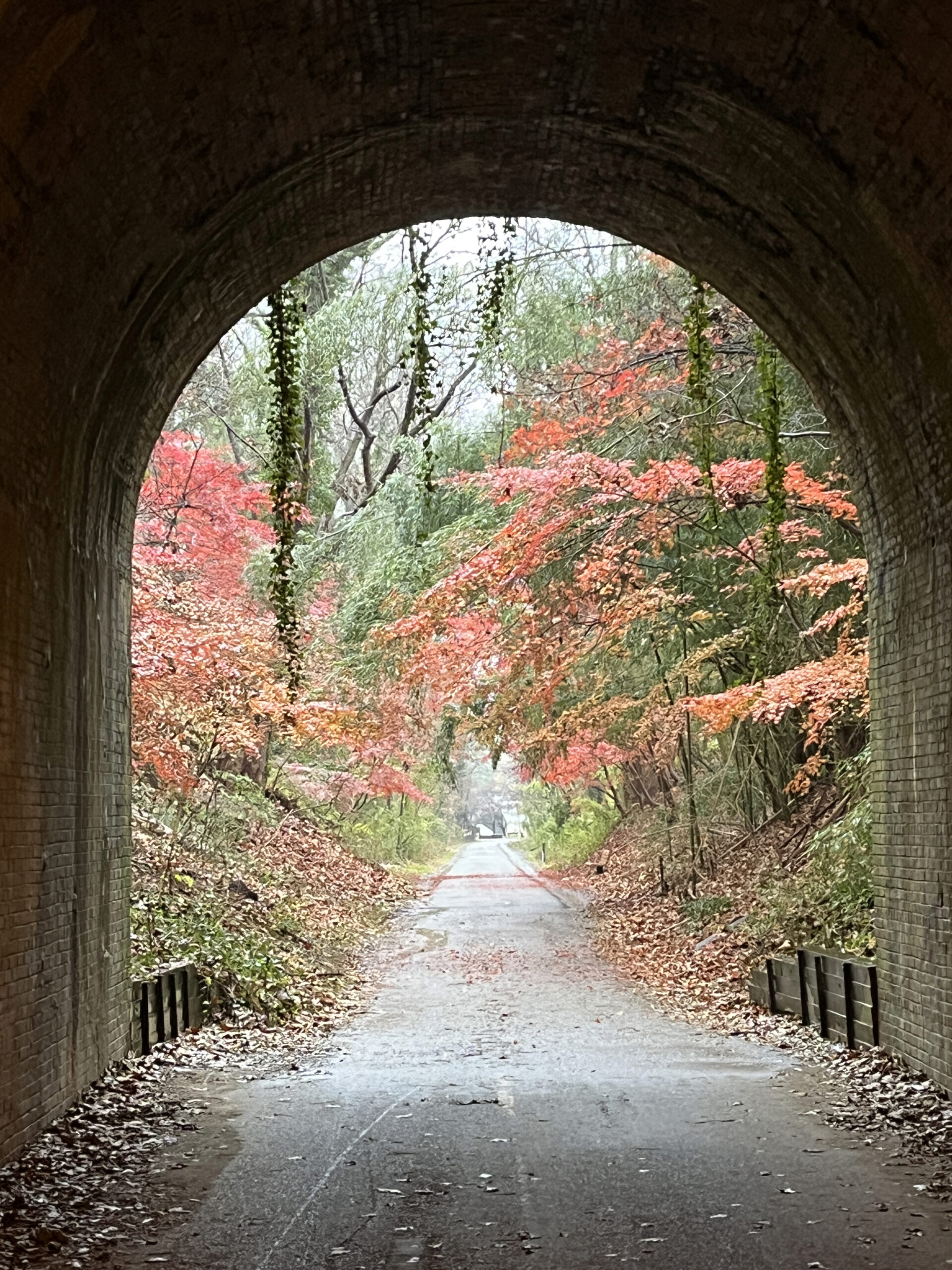
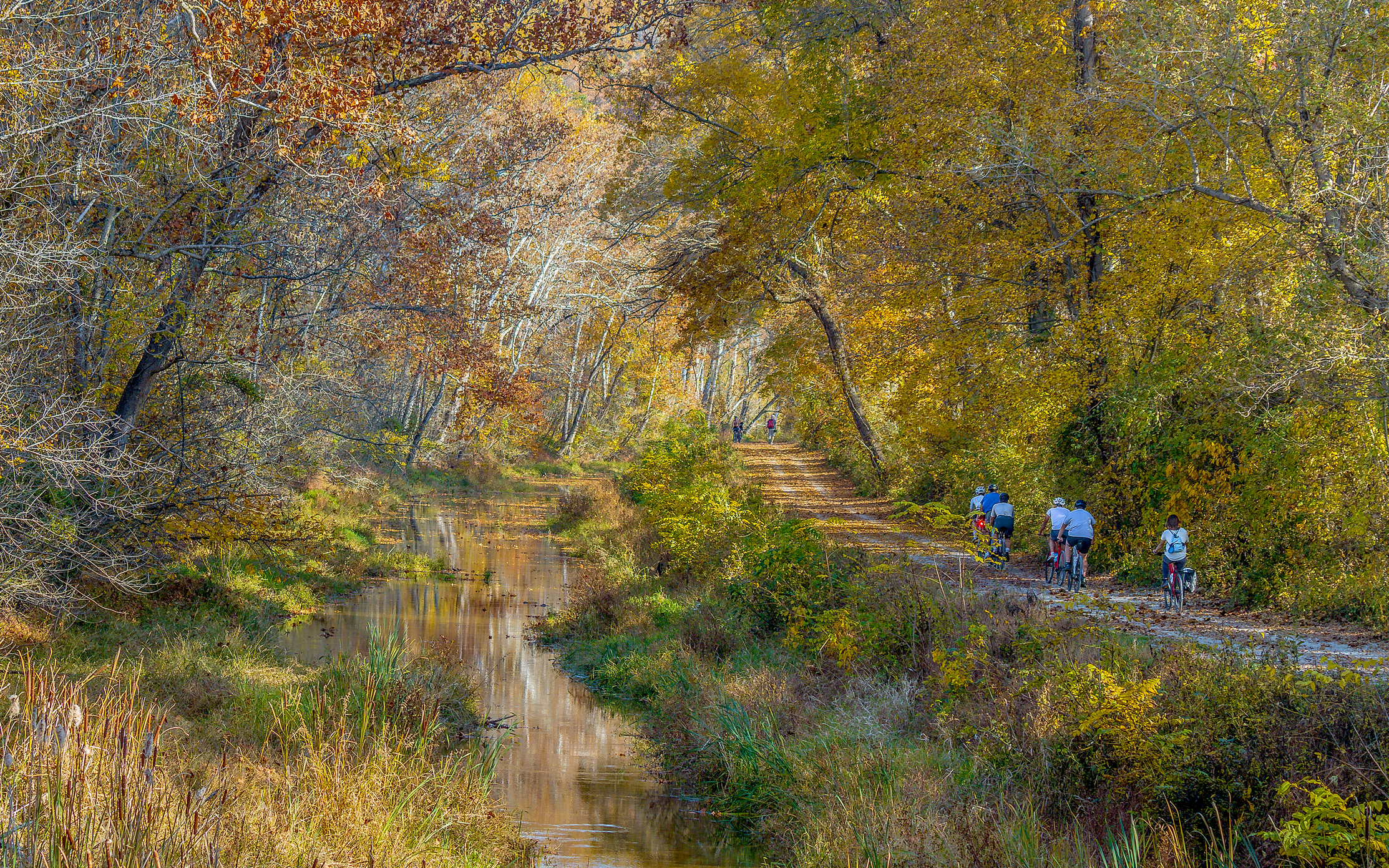
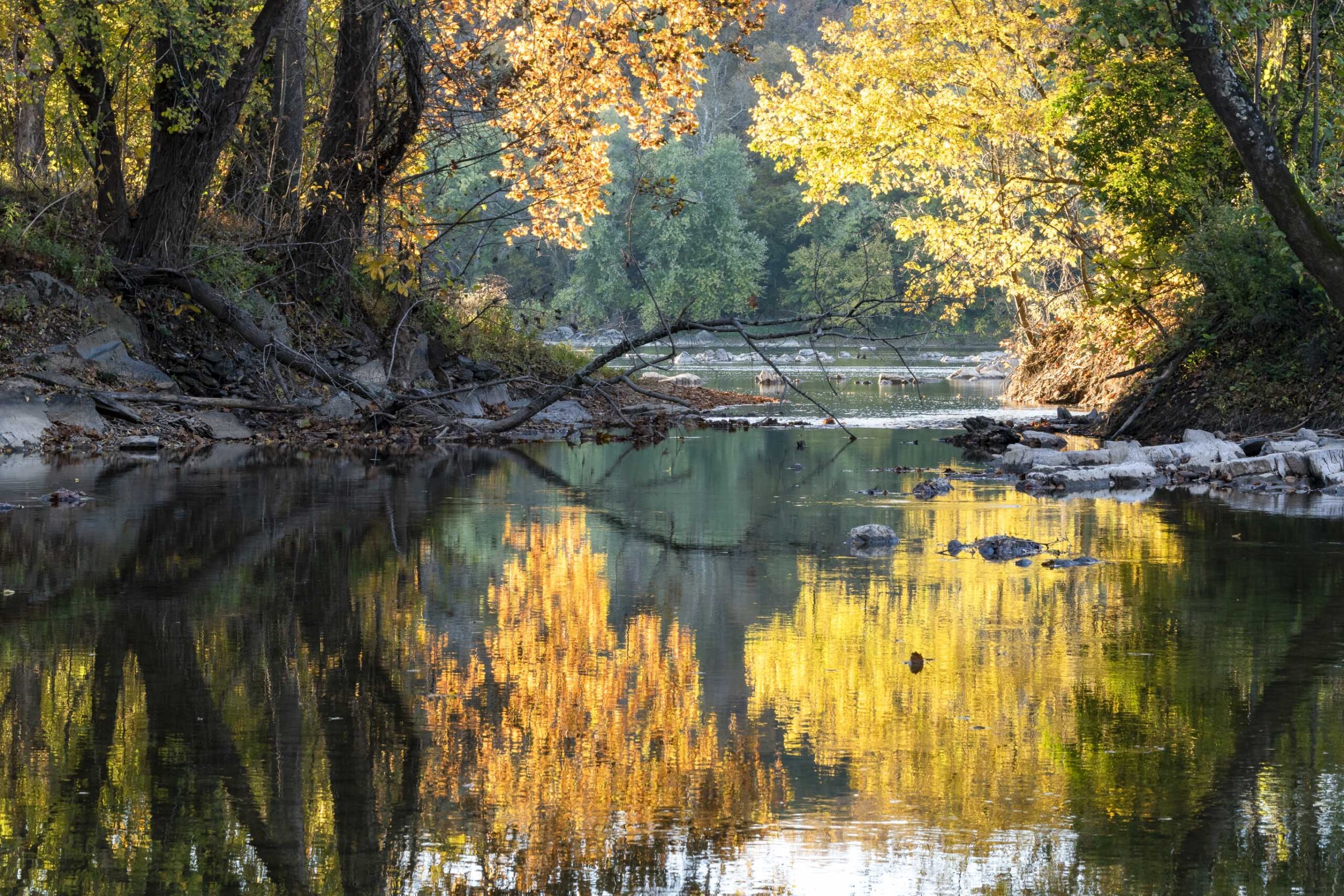
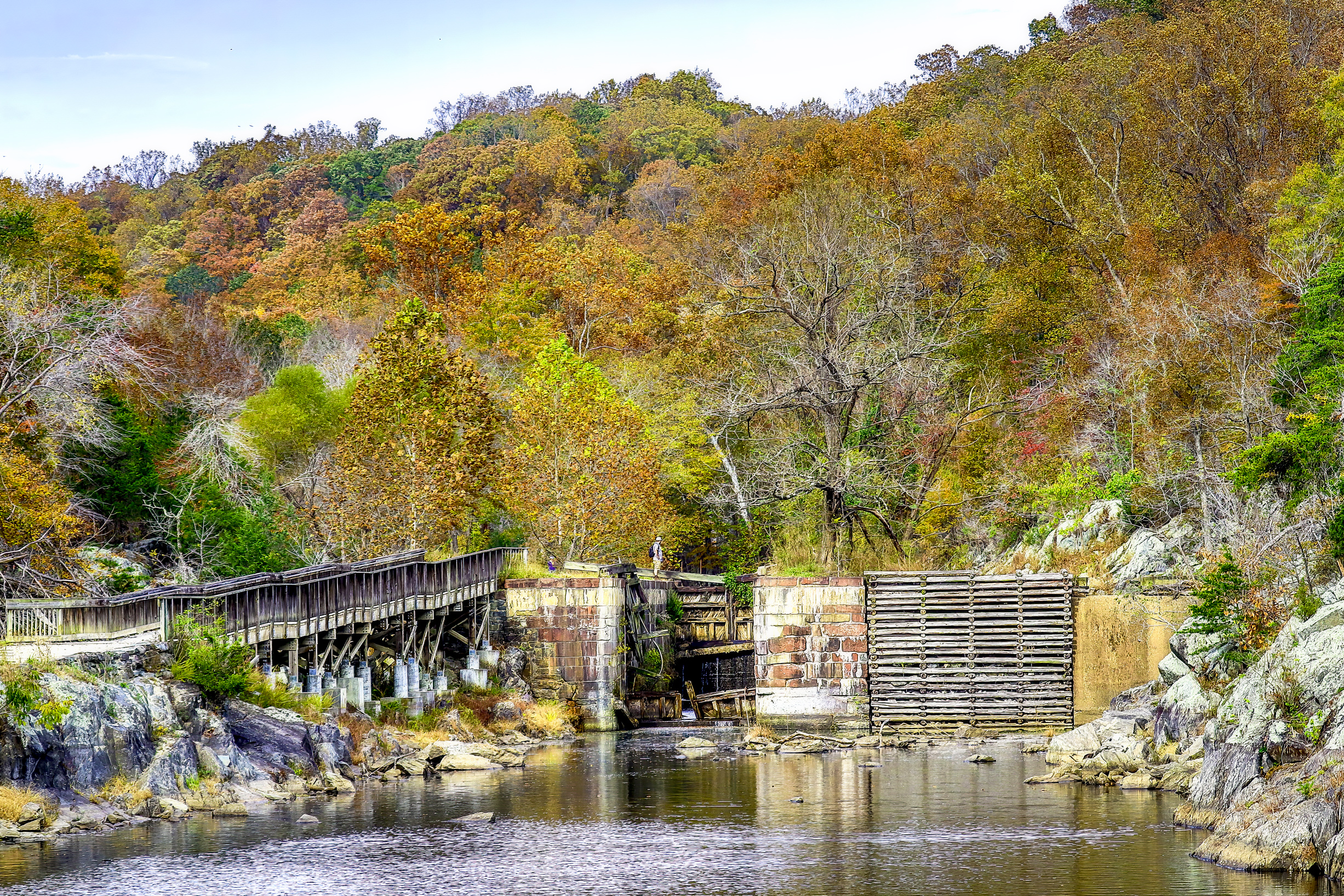
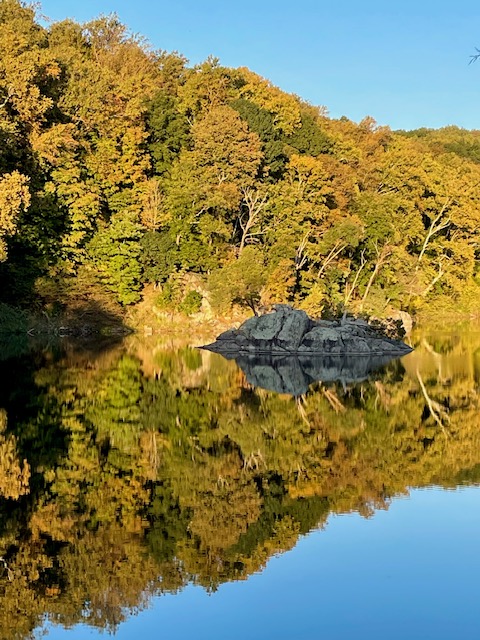
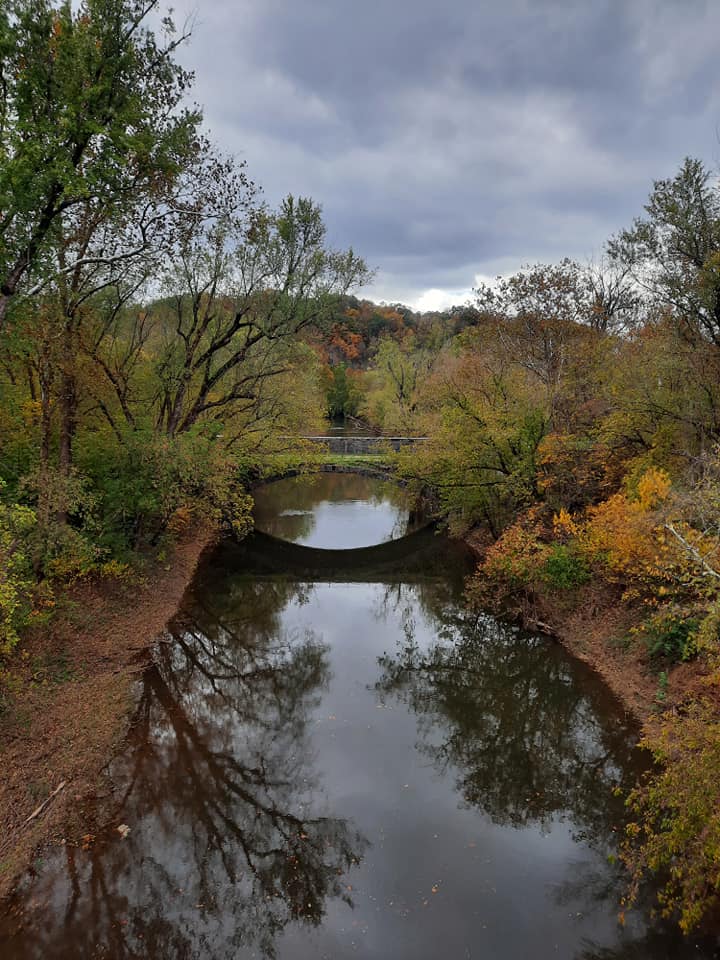
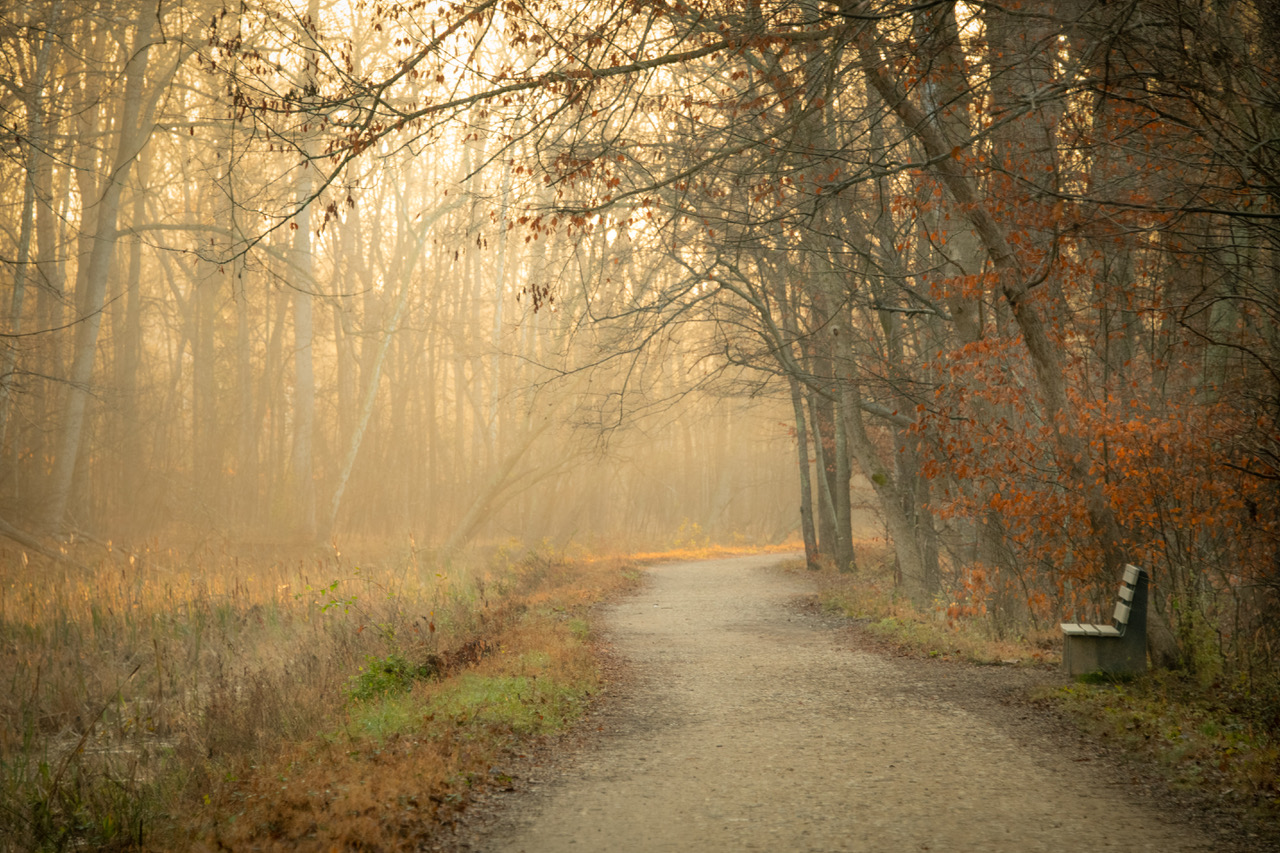
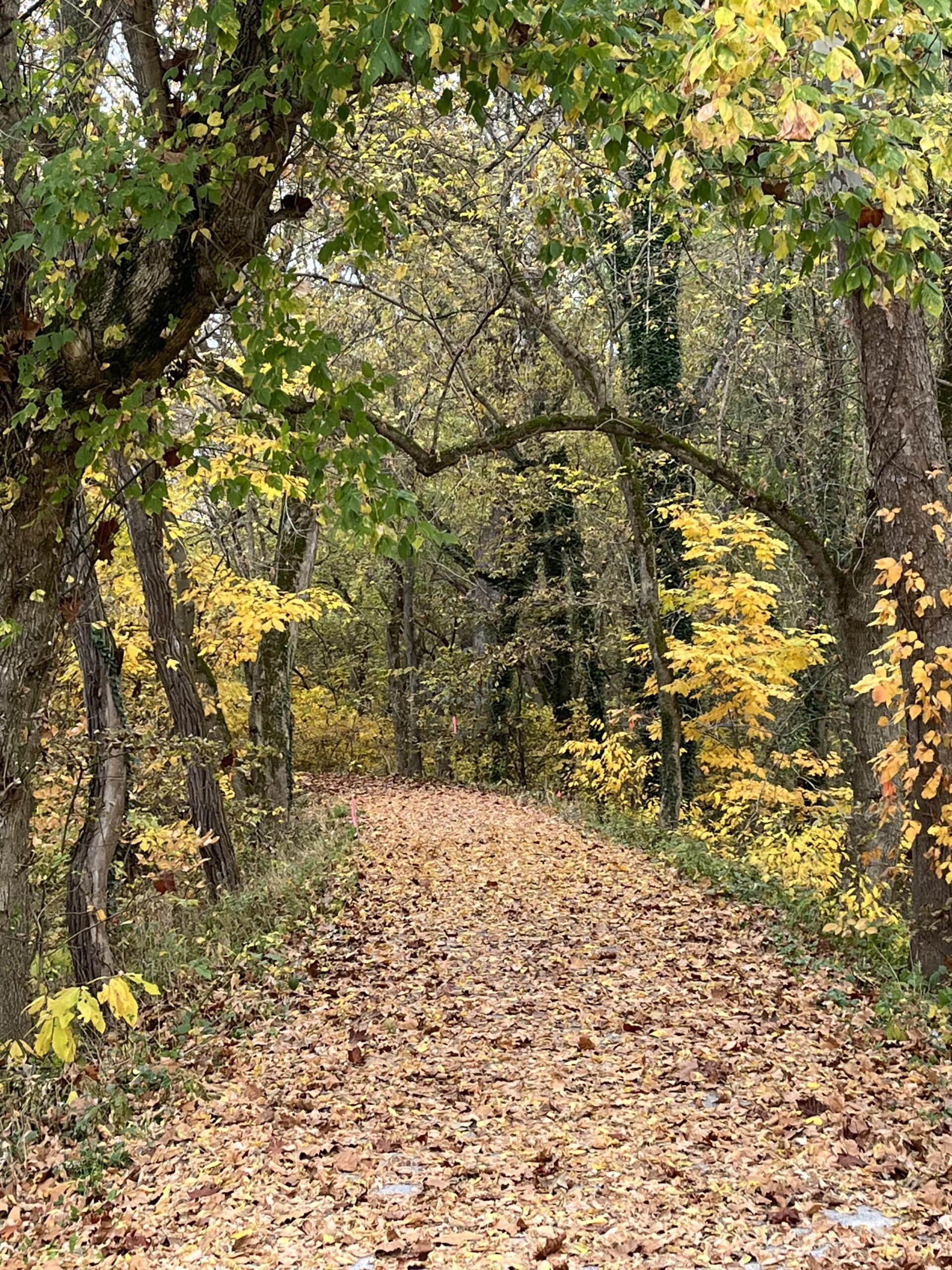
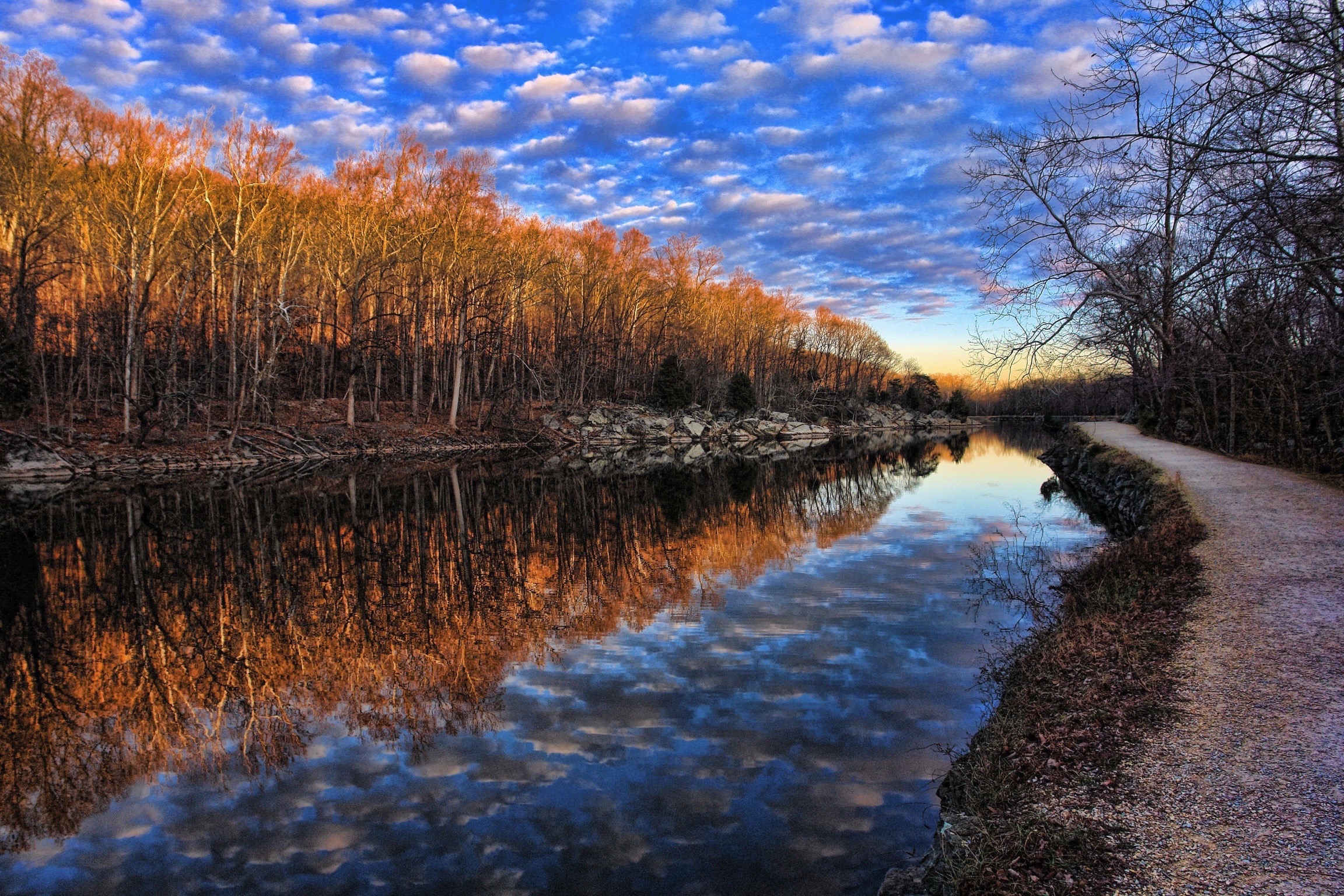
Welcome to our Virtual Leaf Peeping gallery! Enjoy some beautiful scenic photos from recent years that show off the beauty of the C&O Canal in Fall. Click to see full image!

Do you have fall photos of the Canal? Submit them to our monthly photo contest here.

Celebrating National Wellness Month
This August, celebrate National Wellness Month with us in the C&O Canal National Historical Park (NHP)! National Wellness Month is focused on managing stress and creating routines that foster healthy lifestyles. The C&O Canal NHP offers a great location to explore stress management and healthy activities and routines. With over 184.5 miles to explore, the Park provides visitors with many opportunities to incorporate wellness into their daily and weekly routines.
(more…)

Celebrating National Preservation Month

May is National Preservation Month! This month-long celebration of unique and diverse histories and cultures began in 1973 as National Preservation Week. In 2005, National Preservation Week was extended to an entire month, and today, we celebrate the entire month of May. For the C&O Canal Trust, National Preservation Month gives us the opportunity to reflect on the importance of C&O Canal history and how we can continue to expand preservation efforts of historic structures and natural resources found in the park. 

History of the C&O Canal

The C&O Canal began as an idea to use the river as a transportation system to connect the resource rich Allegheny mountains to the Chesapeake Bay. This project, led by George Washington, Thomas Jefferson, and the Potowmack Company, sought to create skirting canals to bypass the tough waters of the Potomac River. In 1802 the construction of these was completed with the opening of the locks at Great Falls. Over a decade later came the formation of the C&O Canal Company, which sought to create a continuous canal along the Potomac River. Once approved the canal’s construction began in 1828.

The C&O Canal project was completed in 1850. Sadly this was several years after the B&O Railroad had been completed. Due to this the type of goods transported were relegated to larger, bulk commodities such as lumber, wheat, and coal. The canal faced many problems, most notably with flooding. In 1924, a flood caused irreparable damage, leading to the closure of the canal.

Sometime later, there were proposals of what to do with the now non-functioning C&O Canal. One was to build dams and flood much of the canal, towpath, and surrounding areas, including many historic structures. The other was to turn the area into a parkway, this plan was endorsed by The Washington Post. It was Justice William O. Douglas and a band of committed conservationists who saved the canal by way of a historic walk of the entire length of the towpath. Then, in 1971, President Nixon designated the C&O Canal as a National Historical Park, protecting the history and natural resources preserved within!

Historic Structures in the C&O Canal National Historical Park

Over 1,300 historic structures can be found within the C&O Canal National Historical Park, each serving as a reminder of the significance of the C&O Canal in our nation’s early transportation history. Floods and other major weather events, funding constraints, and even looting have taken their toll throughout the canal’s nearly two-century-long history. Even so, five percent of all historic structures within the entire National Park System are located in the C&O Canal. As well as having the second most historic structures overall.

Below are a few examples of the iconic historical structures visitors can expect to see when visiting the C&O Canal National Historical Park.

Lockhouses

The C&O Canal lockhouses are one of the most notable historic structures found along the canal. At the height of the canal’s operation, these structures housed lock keepers and their families. In exchange for housing and a small wage, lock keepers operated the locks for the boats passing through, sometimes tending to more than one lock at a time. Today, visitors can stay in one of seven available lockhouses as a part of the C&O Canal Trust’s Canal Quarters program.

Locks

Locks, also sometimes known as “lift locks” are at the heart of canal history. Locks were used to control the elevation of water within the canal, and lock keepers – those who operated the locks – were required to answer the call of traveling boaters at any time of day or night to open or close the lock. Boaters were often traveling the canal in order to transport goods all along the canal, from Cumberland to Georgetown. All along the canal, there are a total of 77 locks and a change in elevation of over 600 feet.

Culverts

Historic Culvert 200 by Paul Graunke
Culverts are a clever engineering tool that is still used today. These “tunnels” helped to manage the passage of water to prevent flooding of the towpath and canal. Today, these historic culverts are imperative to the structure of what we now know as the C&O Canal National Historical Park.

Aqueducts

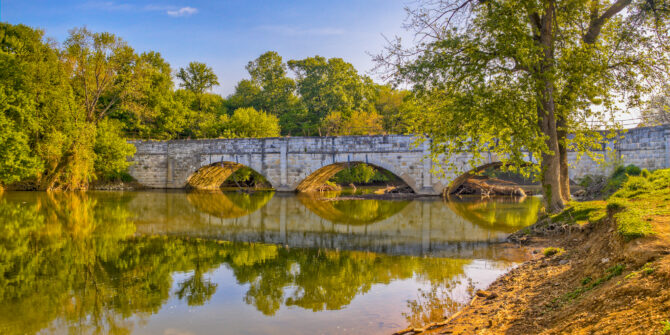
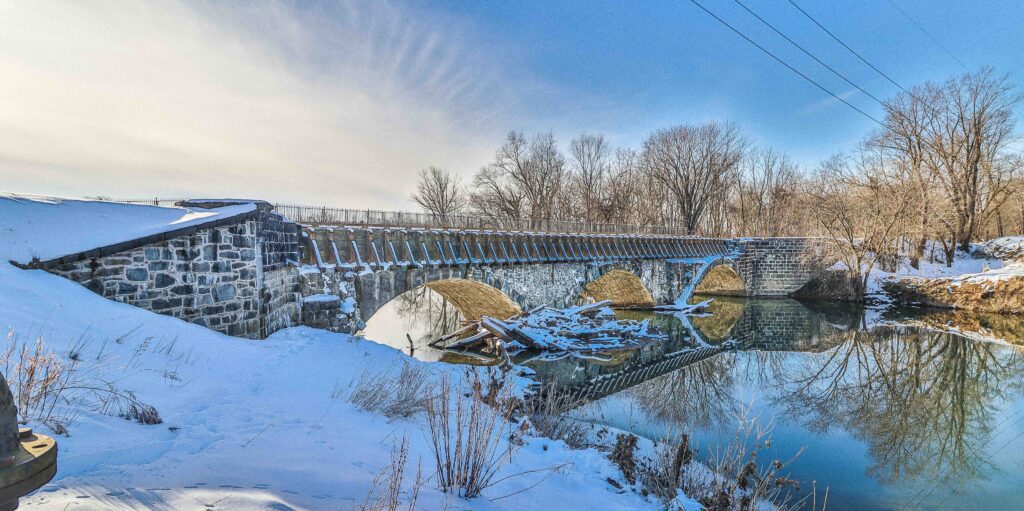
Aqueducts act as a water bridge that connect two sections of the canal either over land or over a larger body of water, in this case, the Potomac River. There are 11 aqueducts along the canal. One of the most notable and recognizable aqueducts is the Conococheague Aqueduct, located in Williamsport, Maryland. In 1863, confederate soldiers damaged this aqueduct with the intention to slow down or cease the transportation of goods to Georgetown. It was repaired, but later in the 1920s, a canal boat rammed into the side of the aqueduct – causing it to sit in disarray until 2019, when the National Park Service fully rehabilitated the structure.

Tunnel

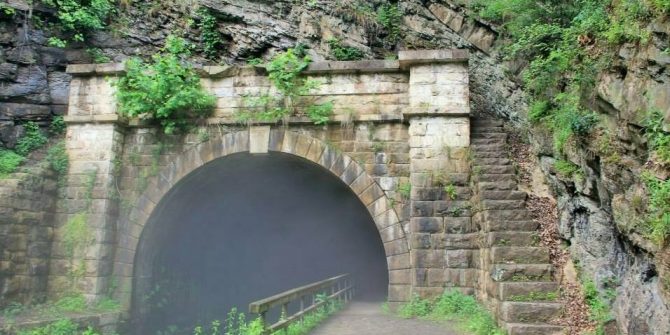
The Paw Paw Tunnel is considered the most significant engineering feat on the C&O Canal, spanning nearly one mile in length. This man-made marvel was built to avoid the Paw Paw Bends – an area that would have caused canal builders to follow a twisting 6-mile long section of the Potomac River. In the end, the tunnel was a lot more work than they bargained for. Construction was expected to be completed in two years, but in reality, work on the tunnel extended over a decade and nearly bankrupted the Chesapeake and Ohio Canal Company.

Dams

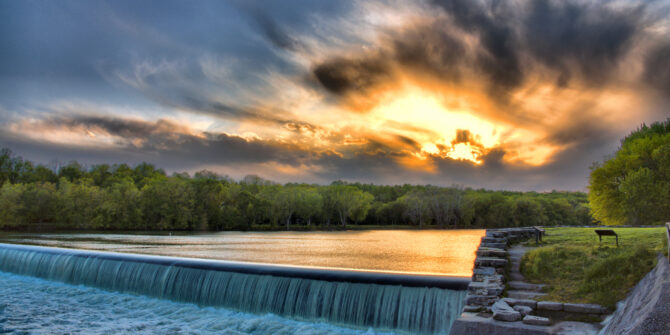
Dams helped to provide water to the canal, ensuring that the water was moving at 2mph throughout the entire canal structure. There are seven total dams along the canal, and today, you can often see people fishing over the dams. Dam #4 was built in 1913 and modified in 1994 to provide electric power to people in Washington County, Maryland.

C&O Canal Trust Preservation at Work

The Towpath

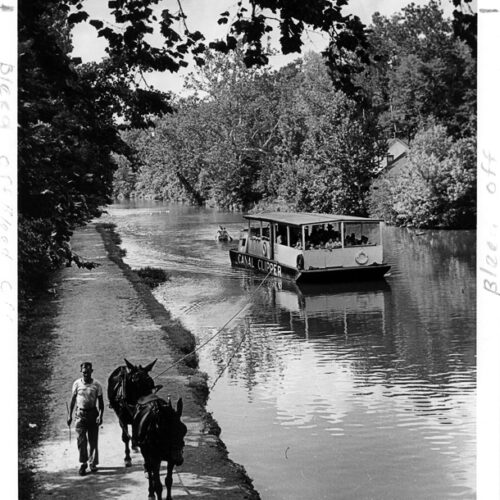
The C&O Canal towpath is the 184.5-mile path by which mules would tow boats along the canal. Now a place of recreation for millions of annual visitors, it was once an important trade route for goods like coal, lumber, and agricultural products. Due to its high foot traffic and natural weathering, the towpath requires rehabilitation to ensure safety and accessibility for recreation. Millions visit the park each year, and subsequently use the towpath for hiking, biking, and more. Before the National Park Service began their towpath rehabilitation initiative, the towpath could be quite dangerous for the casual visitor. With obstructions such as roots, rocks and potholes, the towpath was in need of repair.

Grassroots advocacy from canal enthusiasts has helped the park secure over $7 million in funding from the Maryland State Highway Administration’s Transportation Alternatives Program (TAP) for towpath resurfacing over seven years. Currently, over 120 miles of towpath have been or are in the process of being rehabilitated using TAP funding, National Park Service funding, and support from individual donors through the C&O Canal Trust. Learn more about how our Towpath Forever Initiative actively preserves the park for future generations to enjoy.

Canal Quarters

Those who have explored the park are pretty familiar with seeing lockhouses along the entire length of the C&O Canal. Visitors today may come across historic lockhouses in various stages of deterioration. Fortunately, in partnership with the National Park Service, the C&O Canal Trust has rehabilitated seven of these lockhouses – which now operate as an overnight interpretive program.

Canal Quarters is a unique experience in which guests can reserve their stay in history. With the choice of seven historic Lockhouses to stay in, each house is decorated to evoke a different time period. Canal Quarters is a uniquely immersive experience that allows historians and outdoor enthusiasts to explore the life of a lock keeper.

Revenue generated by the C&O Canal Trust’s award-winning Canal Quarters program directly supports the preservation of these historic buildings. Book your stay today and help make a difference this National Preservation Month.

Photo Credits: Jon Wolz, Nicholas Clements, Josh Bowers, Paul Graunke, John Gensor, Wanda Poffenberger, MJ Clingan, NPS, Paul Graunke, and Turner Photography

Trust Celebrates National Park Week 2024
April 20-28, 2024 is National Park Week! During this week-long celebration, national parks across the country provide opportunities for visitors to come together to explore and commemorate these beautiful, natural places. (more…)

The Trails Less Traveled
The Billy Goat Trails in Potomac, MD, are some of the most popular trails within the C&O Canal National Historical Park (NHP). Each year, millions of visitors come to the Park seeking recreational opportunities. Have you considered exploring some of the Park’s trails less traveled? This not only allows you to explore new areas in the Park but also allows a reprieve for the more heavily accessed trails. Much like the flow of a river carves its path, so do footsteps on trails. So, while exploring more of your local national park, you can also help protect the longevity of our favorite trails.
(more…)

Celebrate FeBREWary with the Canal Towns Partnership

Along the 184.5 mile length of the towpath, there are many small towns and communities where visitors can explore, shop, eat and sleep. In chillier months, Park lovers can find refuge among cozy cafes or warm up with a craft beer in one of the many local breweries.

Celebrate FeBREWary this year by visiting each of these canal towns in the Canal Towns Partnership and check out these featured cafes and breweries.

Poolesville, MD
(Mile Marker 30.9, 35.5)

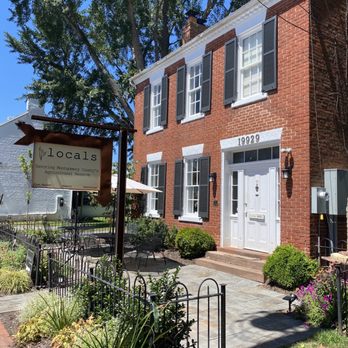
Locals Farm Market

19929 Fisher Avenue, Poolesville, MD 20837
4.7 miles from the towpath at Edwards Ferry

Photo from Locals (Facebook)

Brunswick, MD
(Mile Marker 55)

Smoketown Brewing Station

223 W. Potomac Street Brunswick, MD 21716
0.3 mile walk/bike from C&O Canal

Photo by Ester Herberts

Beans in the Belfry

223 W. Potomac Street Brunswick, MD 21716
0.3 mile walk/bike from C&O Canal

Photo from Beans in the Belfry (Facebook)

Harpers Ferry, WV
(Mile Marker 60.7)

Battle Grounds Bakery & Coffee

180 High St, Harpers Ferry, WV 25425
0.4 mile walk/bike from C&O Canal Lock 33

Photo by Joe Hainey

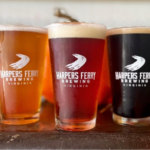
Harpers Ferry Brewing

37412 Adventure Center Lane, Purcellville, VA 20132
2.5 miles from the towpath in Harpers Ferry

Photo from Harpers Ferry Brewing (Instagram)

H.B. Snallygaster’s General Store & Cafe

1102 W. Washington Street, Bolivar, WV 25425
1.6 miles  from Maryland Heights Trailhead

Photo from H.B. Snallygasters (Facebook)

Bolivar, WV
(Mile Marker 60.7)

Rations Roasters

1271 Washington Street, Bolivar, WV 25425
2.2 miles  from C&O Canal towpath

Photo from Rations Roasters (Facebook)

Shepherdstown, WV
(Mile Marker 76.8)

Bavarian Inn, Resort and Brewing Company

164 Shepherd Grade Road, Shepherdstown, WV 25443
0.7 mile walk/bike from the C&O Canal

Photo by Bavarian Brothers Brewing

Lost Dog Coffee Fine Arts Drink Emporium

134 E German Street, Shepherdstown, WV 25443
1.0 mile walk/bike from the C&O Canal

Photo from Lost Dog Coffee (Facebook)

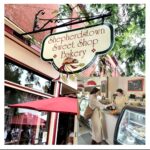
Shepherdstown Sweet Shop and Bakery

100 W German Street, Shepherdstown, WV 25443
1.0 mile walk/bike from the C&O Canal

Photo from Shepherdstown Sweet Shop Bakery (Facebook)

Williamsport, MD
(Mile Marker 99.4)

Cushwa Brewing Company

10210 Governor Lane Blvd. #2100, Williamsport, MD 21795
2.5 mile walk/bike from C&O Canal

Photo by Cushwa Brewing Company

River Bottom Roasters

10212 Governor Lane Blvd. #1008, Williamsport, MD 21795
2.5 mile walk/bike from C&O Canal

Photo from River Bottom Roasters (Facebook)

Cumberland, MD
(Mile Marker 184.5)

Basecamp Coffee Company

108 Greene Street, Cumberland, MD 21502
0.6 mile walk/bike from C&O Canal

Photo from Basecamp Coffee Co (Facebook)
Explore the C&O Canal’s TRACK Trails

What is TRACK Trails?

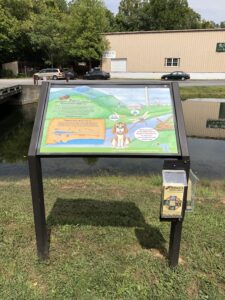
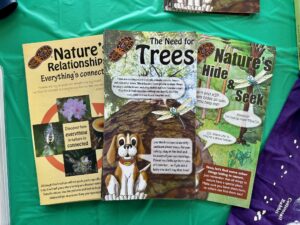
TRACK Trails is an award-winning program by Kids in Parks that offers family-friendly outdoor adventures. By following the self-guided brochures and signs, your visit to the park becomes a fun and educational adventure. As you track your progress, you become eligible for prizes.

How does it work?

TRACK Trail in Hancock by Trust Staff

Start by going to the Kids in Parks TRACK Trail website and search your area on the map to find an adventure near you. Once you find a location, you can browse the adventures on the map under Find An Adventure. Sometimes TRACK Trail brochures are located at the park or attached to a TRACK Trail sign, but you can always access them on the Kids in Parks website.

TRACK Trail adventures exist at three locations in the C&O Canal National Historical Park—Brunswick, Williamsport, and Hancock. For example, in Williamsport there are four different adventures: Conococheague Aqueduct Scavenger Hunt, Lock 44 Scavenger Hunt, Nature’s Hide & Seek, and Need for Trees. Many of the nature-based adventures are general enough they could be used throughout the Park.

After completing tasks, you can track them on your device to receive TRACKer gear. Different TRACK Trail adventures have different gear awarded, such as stickers and cards for hiking trails, disks for the disk golf courses, or bike bells and first aid kits for the bike trails, and more. The more adventures you complete, the cooler gear you get. You can see a full list of gear rewards here!

How did Kids in Parks and TRACK Trails come about?

Photo by Trust Staff

Kids in Parks began in 2009 on the Blue Ridge Parkway, developed by the Blue Ridge Parkway Foundation in partnership with the National Park Service and the Blue Cross Blue Shield of North Carolina Foundation. As the program demonstrated easy implementation and effectiveness in getting children outdoors, Kids in Parks rapidly expanded to other parks and public lands across the country. Achievements of the program include endorsements by the American Academy of Pediatrics, awarded as a Let’s Move! Champion of Change by the White House, and acknowledgement for Outstanding Public Engagement by the Public Lands Alliance.

A Day in Williamsport, Maryland – An Itinerary

Park: You can get to the towpath from the town by bike or car when you head west on W. Potomac Street until you reach the Cushwa Basin parking lot. The towpath is located approximately 300 ft north west through the RailRoad Lift Bridge.    

River access: There are two entry points for boats along the Potomac River at River Bottom Park. The park can be accessed by bike or on foot from the towpath 0.9-miles. west of Lockhouse 44. For car access to the boat ramp, make a right onto N. Commerce St from W. Potomac St heading east out of the Cushwa Basin parking lot. Then make a right onto W. Salisbury Street to cross the Bollman Bridge. Follow this path down 0.1-miles to reach the boat access point. The second access point is located 600 ft to the right of the bridge overpass.

Stay: Depending on your preference, Williamsport offers a variety of lodging options. If you are interested in staying close to the towpath Bay farms, Bed and Breakfast is two blocks down W. Salisbury Street, totaling 0.5- mi. It offers an ideal stop for overnight travelers, hikers, or cyclists. Red Roof Inn is located a short distance, 1.1-mi from the towpath on E. Potomac Street, and provides affordable economy lodging choices. Another overnight stay option is Elmwood Farm Bed and Breakfast, which showcases cozy rooms and historic barn settings. Two miles up the towpath heading north is Jordan Junction Campground. An excellent place for hikers and bikers on the move; portable water, toilets, picnic tables, and grills are available for use. For extensive overnight camping Safari Campground and Yogi Bears, Jellystone Park Resort reside at the cross-section of Kendle and Lappans Rd. Cabin rentals, tent sites, and water amenities are available at the camp resort. 

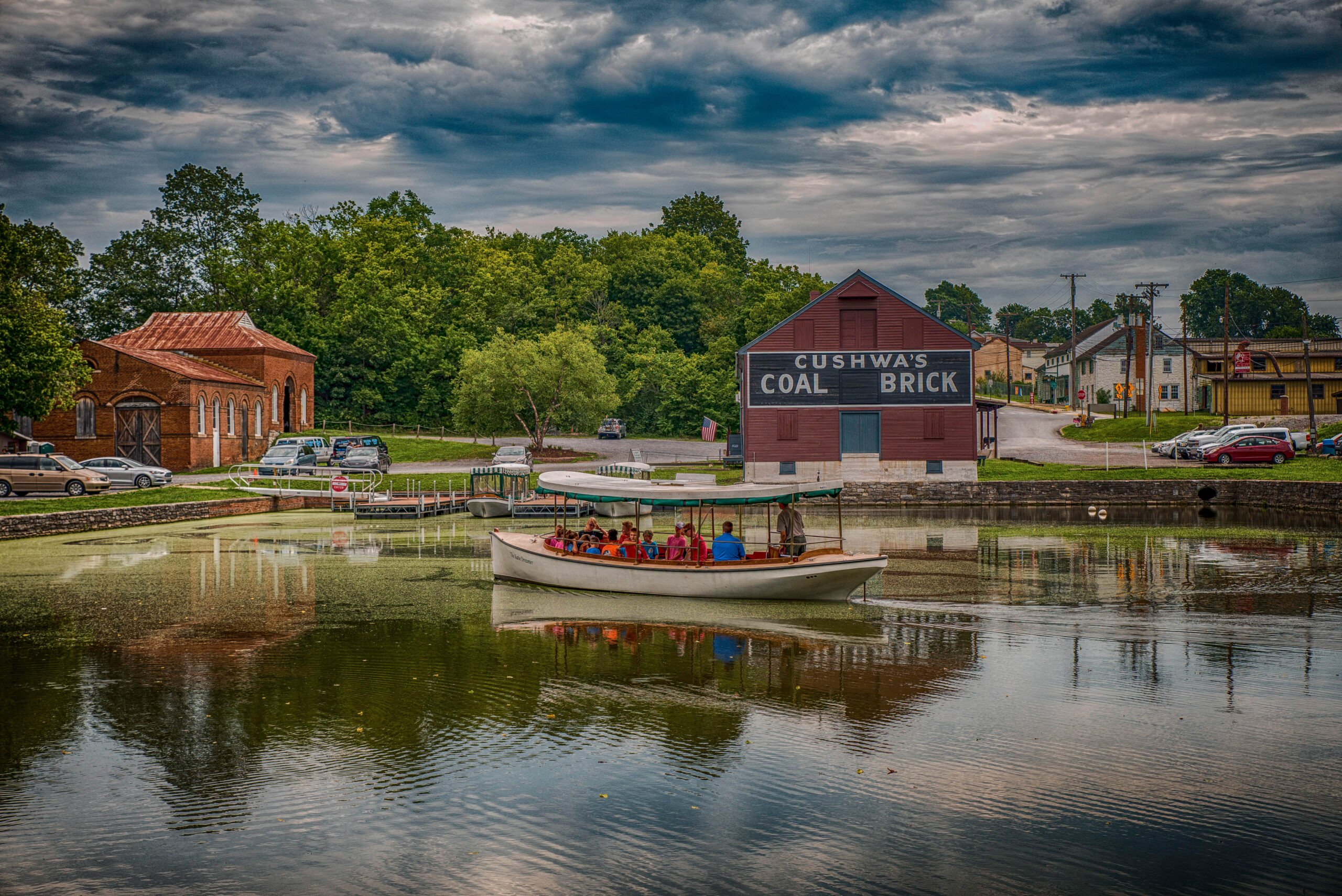
Cushwa Basin by Mark Crilley

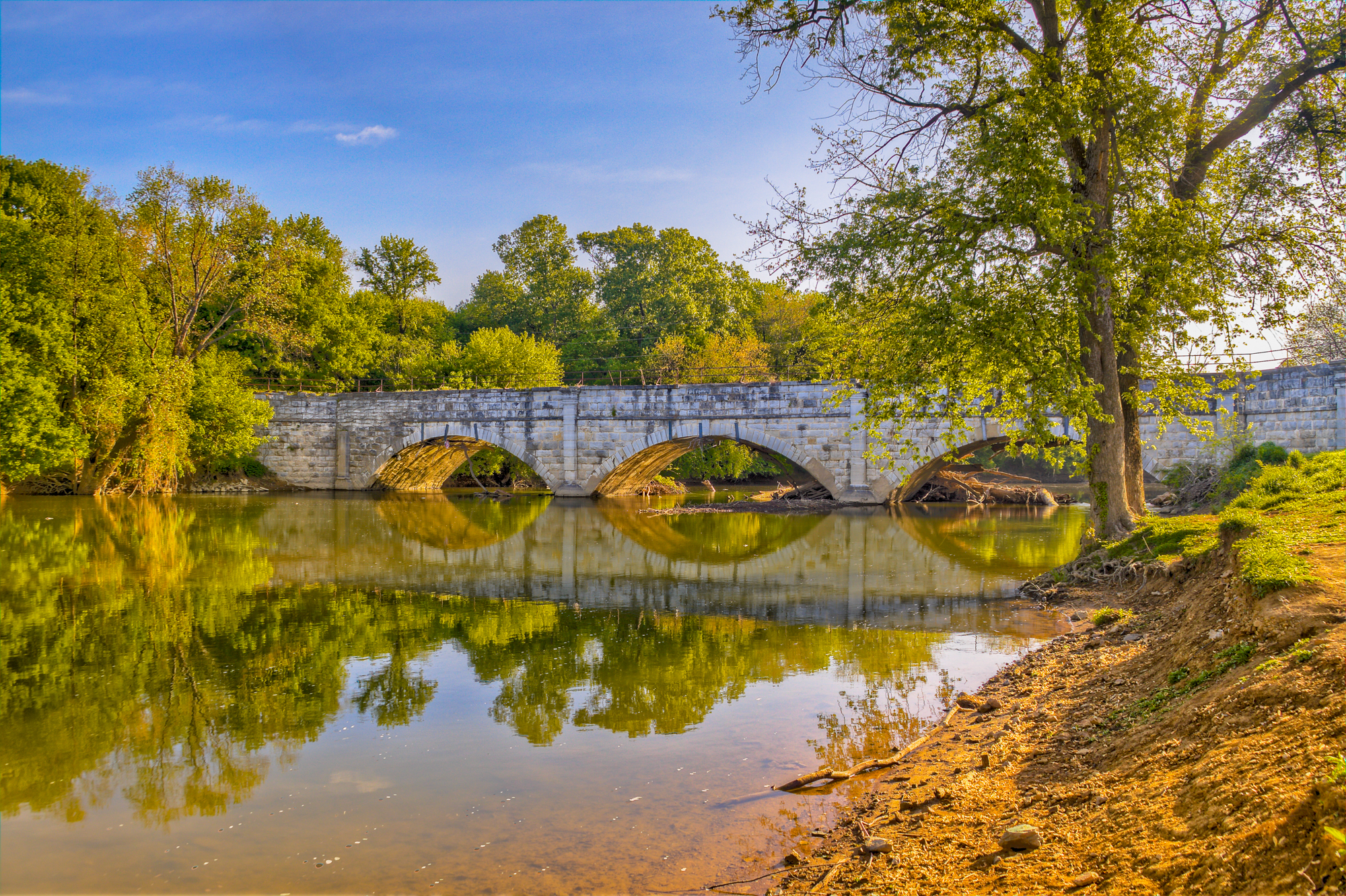
Williamsport Aqueduct by John Gensor

Don’t Miss: The RailRoad Lift Bridge & Conococheague Aqueduct.

The Conococheague Aqueduct is an exciting access point for canal boat riders interested in the full canal experience. Since the permanent lifting of the RailRoad Lift Bridge in 2016, pedestrians have been given access to cross the canal through the bridge. The restoration allowed for the expansion of the canal boat tour. The launch boat ride now explores the full length, from the Cushwa Basin to Lockhouse 44, with an informative historical tour of the canal. The tour also includes the newly restored Conococheague Aqueduct, which allows for boat operations to continue. This area is the, “Only place in North America where visitors can view, an operational lift lock, railroad lift bridge, lockhouse, turning basin and warehouse. (NPS, Conococheague Aqueduct 2020)”  

Eat: Dessert Rose Cafe 

Desert Rose Cafe is located a convenient two blocks from the towpath, heading east on W. Potomac for 0.3 miles. The restaurant provides a relaxed space for those eating in and hikers, bikers, and pedestrians on the go. Bike racks, outdoor seating, and amenities for trail users are available, such as bike pumps, inner tubes, first aid, and more. 

Chill: Byron Memorial Park

Byron Memorial Park is a brisk 0.8 miles from the towpath and leads into the center of town. This is a multiuse park that is located at the interaction of E Potomac St and Park Rd. Byron Memorial Park is known for its eventful celebrations encompassing car shows, concerts, and elaborate holiday celebrations such as Christmas lights and Fourth of July displays. Besides festivals, the park offers different facility rentals for those interested in using the Williamsport Community Building, pavilions, bandstand, gazebo rentals, and other rentals advertised on the Williamsport Town website.   

If you have time: Visit Lockhouse 44 

Located at mile marker 99.1 on the towpath, Lockhouse 44 stands along the canal. It was built in 1834 out of white and gray limestone; it now serves as a historical exhibit for requested tours. It is one of few surviving Lockhouse’s that initially maintained and operated the boat-locking system along the canal. 

Come back for: Springfield Farm

Springfield Farm is perfect for history fanatics interested in following the rich history of Williamsport. The Springfield farm is one of the largest barns in Maryland built by Otho Holland Williamsport himself in 1755. The estate contains a museum, two four bays, and a participant of the Living Legacy Project, an initiative dedicated to the 150th Anniversary of the Civil War and the fallen soldiers. Although the property is commemorated for its historical contributions, it is also available for reception, community events, fundraisers, banquets, and more. Questions can be directed to their email [email protected] or phone number listed on the website.  

Events: Fourth of July Fireworks Display 

If fun and exciting celebrations are what you are looking for, join Williamsport in celebrating Independence day at Byron Memorial Park. It is a free venue that provides live local music performances, vendors, and a grand firework display.  

Along the Towpath in Williamsport by Ed Crawford

A Day in Poolesville, Maryland – An Itinerary

About Poolesville, Maryland

Poolesville, a town of 6,000 people in western Montgomery County, Maryland, is a worthwhile diversion for canal travelers. Poolesville has a storied history, with roots in the Civil War. Established by the Poole brothers in the 1760s, Poolesville grew from one log store into a small incorporated community by 1867. The town was occupied by the Union Army during the Civil War, and Confederate troops staged several raids there. The graves of Union troops rest in the old Poolesville Methodist Cemetery. Nearby, White’s Ford was the location for three major Confederate crossings of the Potomac River during the war. 

Getting There

Poolesville is located about five miles from the C&O Canal National Historical Park. To get to the Park from the Old Town Bank Museum located on Fisher Avenue in Poolesville, head west on Fisher Avenue and make a left onto W. Willard Rd. Make a right onto Westerly Road in approximately 1.4 miles. You will then make a left onto Edwards Ferry’s Rd and continue until the end of the road. There is a small parking lot available for day and overnight parking located here. 

Edward’s Ferry boat ramp access is located at the end of Edward’s Ferry Road, past Lockhouse 25. This is a historic Civil War site used by the Union Army for crossing the Potomac River. This area is known for smallmouth bass fishing.

Poolesville is home to Lockhouse 25. A blast from the past, this rustic lockhouse can be reserved through the Canal Quarters program. This historic structure was built in the 1830s and sits at mile marker 30.9 on the towpath. It is available for overnight stays by up to eight guests. 3.7 miles upstream from the towpath, is Turtle Run hiker/biker campsite. It includes a water pump, a portable toilet, and a picnic table & grill.

Town Highlights You Don't Want to Miss:

For History Lovers:

The John Poole House
Originally built in 1793 as a log store, the John Poole House is the oldest building in Poolesville. It served as Poolesville’s first Post Office in the early nineteenth century and is now the Historic Medley District office. This historic building is located behind The Old Bank/ Old City Hall of Poolesville.

For Outdoor Enthusiasts:

McKee Beshers Wildlife Management Area
McKee-Beshers is known for its deliberately flooded forests during the fall and winter. Biologists create these “greentree reservoirs” to attract colorful wood ducks and other waterfowl that migrate through or spend the winters here. Along the preserve’s many miles of trails, you can also spy more than 200 species of songbirds and other wildlife such as deer, wild turkey, reptiles and amphibians.

Sugarloaf Mountain overlook
This registered National Landmark has a breathtaking view and is accessible for bikers and hikers on the towpath. This is about a 10 mile bike ride from or 15mins by car from White’s Ferry. from Poolesville and 17 mins from Whites Ferry. The park is open 8 a.m to sunset. Gates close one hour before sunset.

Where to Eat & Drink:

Poolesville has so much to offer for visitors seeking local bites and charming small-town gathering places. Support our small businesses and visit these recommended places on your next visit to the park!

Bassett’s Fine Food and Spirits

Cuginis Restaurant & Bar

Locals Farm Market

Rocklands Farm Winery

Photos by Mike Mitchell, Nicholas Clements, Jan Branscome, Trust Staff

A Day In Brunswick, Maryland – An Itinerary

Park: You can get to the towpath from town by a car when you head west on Potomac Street. Make a right onto S. Maple Ave. Head south past the Brunswick Train Station and over the tracks where a small dirt parking lot resides next to the towpath.    

River access: There are two points of access for boats along the Potomac River. Larger boats can access the river by making a right through the railroad parking lot. Follow this to reach the river access point. The second access point is located at Brunswick Family Campground. Make a left onto the towpath from S. Maple Ave. Follow the towpath for 0.4 miles to arrive at the campground and access point. 

Stay: Visitors can find a cozy room at the Travel Lodge or the Holiday Inn. They offer rooms for leisure, adventures, and business space. 0.6 miles on the towpath is the Brunswick Family Campground. This campsite includes tent sites, dumping stations, full hook-up sites, limited wifi, and other amenities. 

 Brunswick, C&O Canal Park Sign by Paulie Ward

Towpath in Brunswick, MD by Jerry Knight

Don’t Miss: The Visitor Center & Brunswick Heritage Museum 

The Heritage Museum doubles as two museums in one, while also sharing a building with the Brunswick Visitor Center. The second floor tells of how the town was shaped by the railroad, and the third floor depicts a 1700 square HO scale model of the B&O Metropolitan Subdivision. In 1890, the Baltimore &Ohio Railroad came to Brunswick, increasing travel to and from Brunswick. Remains of the railroad yard are still visible to this day and were known as the longest railroad yard owned by a single company, totaling 5 miles of the rail yard. 

Eat: Beans & the Belfry

Beans & the Belfry is a cozy, hiker, biker, friends, and family cafe located just .4 miles from the towpath on W. Potomac St. They offer indoor and outdoor seating with complimentary bike racks. Beans & Belfry has what you need to stay refreshed. They serve hot dishes, sweet desserts, refreshing snacks, all-day breakfast, and more. Live entertainment can be found Friday and Saturday from 7-9:30 pm, and live Jazz brunch on Sunday at 11 am-2 pm.

Chill: The City Park Building & Parks 

The City Park Building is located at 655 East Potomac Street, which is open for public access and private rentals. Amenities include a small kitchen, tables chairs, and restrooms. Other recreational spaces include the Corner Park located on Maple Ave and W. Potomac St., three minutes from the towpath, and a Brunswick dog park located .6 miles from the towpath on E. Potomac St. 

If you have time: Visit Remains of Lock 30 or the Rivers Edge Trials

Located at mile marker 55 on the towpath, the red Seneca sandstone and Patapsco granite rubble of the Lockhouse are still visible today. Next to the remains of Lock 30, a bridge carries Route 17 over the Potomac, replacing previous ferries and a wooden bridge that burned down by the Confederacy early in the Civil War. The Rivers Edge Trails are 2.9 miles from the towpath located on 13th Avenue and great for bikers looking for intermediate trails. The path consists of a single rolling track six miles in length with four route options. Natural cuts, berms, and switchbacks are an added plus to increase momentum and intensity. 

Come back for: Boxcar Burgers & Towpath Creamery 

This two-in-one unique restaurant deserves a stop, especially if you are looking for burgers and ice cream to fill you up and cool you down. They share the same building, only a brisk five-minute walk from the towpath. Boxcar Burgers serves “ simple food, done well made from the best local ingredients,” while the Towpath Creamery “offers healthy, all-natural farm-fresh ice cream from both Cold Run Creamery and South Mountain Creamery.”

Events: Fun Runs, Bike rides & Wine and Chocolate Walks

If running is your thing, sign up for the Potomac Street Mile. It will be taking place from August 1st through the 15th. Be sure to sign up before the close of registration on July 31st, 2020.

If biking is more your style, support Brunswick on August, 2nd 2020, and join Throwback on the Towpath. A physical distanced ride dedicated to celebrating the history of penny farthings, welcoming all riders.  

Further down the calendar, Saturday, September 5th, Brunswick will be hosting wine and luxury chocolates. Local venues gather to offer delicious samples, food selections, while live music cascades through the streets. 

Smoketown Brewing by Esther Herbers

Brunswick

  1. About Boxcar. (2020). Retrieved July 29, 2020, from http://www.boxcarcatering.com/about-boxcar/
  2. City Hall. (2020, July). Parks, Recreation, and Pool. Retrieved July 29, 2020, from https://brunswickmd.gov/?SEC=CF1E2F23-FC1F-4F29-870E-35A7D96F5FB7
  3. Creamery, T. (2020). Towpath Creamery. Retrieved July 29, 2020, from http://www.towpathcreamery.com/
  4. Heritage Museum, B. (2020, July). About. Retrieved July 29, 2020, from http://brunswickmuseum.org/about/
  5. High, M. (2000). The C & O Canal companion. Baltimore, MD: Johns Hopkins University Press.
  6. N. (2020). Brunswick Visitor Center. Retrieved July 29, 2020, from https://www.nps.gov/choh/planyourvisit/brunswickvisitorcenter.htm
C&O Canal Aqueducts

Eleven aqueducts stand along the C&O Canal – some of the most impressive of the canal structures that stand today. Aqueducts transported the canal over streams and tributaries. Several have been rebuilt, including the Conococheague Aqueduct in Williamsport, which is watered and is one of the only places in the country where you can ride a boat over an aqueduct. The eleven aqueducts are all different – the stone they were constructed with varies, including red sandstone, grey limestone, white granite, white and pink quartzite. Some have fallen apart and exist only as ruins, while others have been lovingly restored by the National Park Service to their former glory. All stand testament to the engineering ingenuity and devoted labor that went into their construction and the important role they played in the growth of our country. (more…)

Places for History Buffs Not to Miss
Georgetown from the Canal
Georgetown from the Canal by Tim Walters
Most people think of the C&O Canal as a place for outdoor recreation, but the park is designated as a national historical park because of its rich history. The canal’s history is multi-faceted—from its use as a transportation route with over 1,000 historic structures to its strategic location along the Potomac during the American Civil War and beyond. Today it’s not only a great place to enjoy the outdoors, but it’s a treasure trove for history enthusiasts. You can explore by region: East | Central | West

You can also copy this itinerary into our C&O Canal Itinerary Builder here.
(more…)

Remote Places Along the C&O Canal to Explore While Socially Distancing
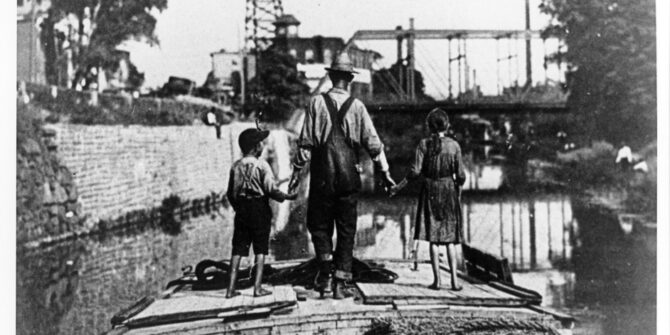
Towpath near Shepherdstown by Alma Rebekah Hanna

During this stressful time of social distancing and isolation, it is critically important you take care of your physical and mental health. Fortunately, the C&O Canal National Historical Park can offer you fresh air, relaxation, and a break from the news coverage. The western section of the C&O Canal offers many remote points of interest that are less frequently visited than popular eastern hubs such as Great Falls. Consider visiting some of these western gems along the canal for a stroll or a bike ride along the towpath — but make sure you are following all social distancing guidelines. If you have kids, take our C&O Canal Scavenger Hunt with you!

(more…)

Exploring New Routes – On and Off the Towpath
One of my favorite things about the resurfaced towpath is how easy it is to go from biking on the towpath to biking on the road. Before the resurfacing, I would never bring a road bike on the towpath, and even a gravel bike would be uncomfortable. So I would have to choose between a road ride and a towpath ride. Now I don’t have to choose. The resurfaced towpath opens up a whole new set of routes that combine the quiet nature of the towpath with nearby state parks, battlefields, and towns. Learn more about towpath resurfacing here.

(more…)

Nature in January on the Canal
January can be such a quiet month. The bustle of the holidays are over, and people are returning to a normal rhythm at work. Things can be similarly quiet within the C&O Canal National Historical Park. With the cooler temperatures and shorter days, fewer people are venturing out to explore. But there is still so much to see in the Park in January. If you have a chance, go for a hike on the towpath and see what you can find while the world is quieter.

(more…)

Our Most Popular Blog Posts of 2019
A lot happened in 2019 and that meant a lot of blog posts! Here is the round up of the 10 most popular blogs of the past year. (more…)

5 Things to Do on the C&O Canal in the Winter

To some of us, winter is a time to stay indoors by the fire. But why would you stay indoors when the C&O Canal National Historical Park offers some of the most scenic areas to explore during the winter months? So put on some warm clothes and come experience the C&O Canal as a winter wonderland!
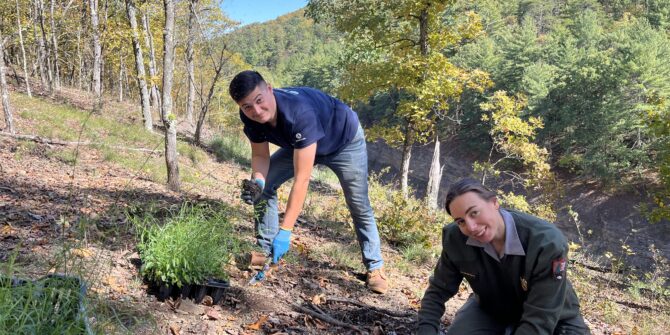
1. Take a Hike

The C&O Canal has many amazing hiking trails that are accessible during the winter! (Please use caution when using the trails in the winter, as there may be ice and snow.) The Olmstead Overlook Trail offers breath-taking views of the majestic Great Falls of the Potomac that can be enjoyed year-round. Another fantastic trail in the Great Falls area is the Gold Mine Trail, which takes you on a trip through the woods to an area that was once home to a little gold rush. Along this trail, you can see the remnants of gold mines lost to history.

In the western part of the park, the Western Maryland Rail Trail, beginning at mile 114.4, is a paved path over 20 miles long that follows the C&O Canal and the Potomac River. Not only does the rail trail run through incredible natural surroundings, but you can also explore historic sites like the Sideling Hill Creek Aqueduct and Lock 56 along the way.
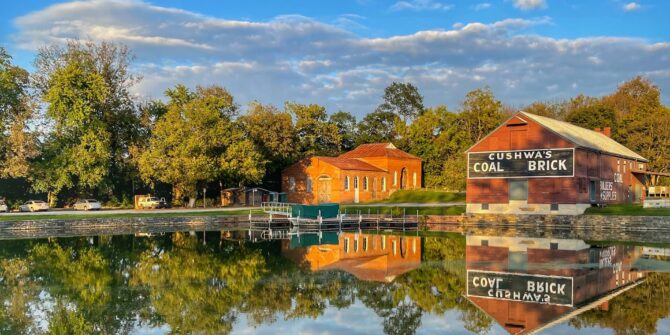
And don’t forget to experience the winter on the C&O Canal’s most treasured path: the towpath! You can view and download hiking maps here

2. Enjoy outdoor winter activities along the canal

Besides hiking, there are several other winter activities to enjoy along the canal. Ice skating and sledding are permitted in the park except in the Widewater area, and the towpath offers a great opportunity for cross-country skiing. Ice fishing is also permitted with certain restrictions. 

3. Warm-up and learn about canal history at one of the visitor centers

The are three C&O Canal Visitor Centers that are open year-round; the Williamsport Visitor Center, the Great Falls Tavern Visitor Center, and the Cumberland Visitor Center

The Brunswick Visitor Center shares the building with the Brunswick Railroad Museum where you can learn about the history of the B&O Railroad and its competition with the C&O Canal. 

After hiking at Great Falls, warm up inside the Great Falls Tavern where you can view exhibits on canal history and interact with friendly, knowledgeable volunteers and rangers. 

Marking the terminus of the canal, the Cumberland Visitor Center has educational displays, a model of the Paw Paw Tunnel, and a life-size section of a canal boat. 

4. Experience history with an overnight stay in one of the Canal Quarters Lockhouses

It may be cold outside, but did you know that four of our lockhouses are heated?    Lockhouse 6, 10, 21 and 49 all have heating and electricity, and each interprets a different period of history along the canal. There is typically more availability in the winter so why wait? Reserve your stay today!

5. Experience winter in the Canal Towns

If you still have the shopping bug after the holidays, visit one of the 10 Canal Towns for all your local shopping and dining needs! Each is unique and has its own small-town charm. 

Photo credits: NPS, Jan Branscome

How to Spend Autumn on the C&O Canal

The air is crisp and cool, and pumpkin spice is on every menu – fall is here! We are particularly partial to autumn along the C&O Canal, and we have assembled a list of things you can do to enjoy the season:

(more…)

Towpath Resurfacing Has Begun!

If you’re planning on heading out to hike or bike along the towpath in the next couple of weeks, you might want to try out the five-mile section between Edwards Ferry and Whites Ferry (Mile 30.8 – Mile 35.5). This is the first stretch of the towpath to undergo a complete “makeover” as part of the Park’s multiyear, 80-mile towpath resurfacing project. The towpath has been graded to facilitate water drainage, and resurfaced with the same durable material that bikers enjoy on the Great Allegheny Passage (Trail) from Pittsburgh to Cumberland. (more…)

In Winter There is Beauty to Be Found Along the C&O Canal

The C&O Canal National Historical Park has much to offer during the winter months to park visitors who enjoy the colder temperatures. Snow on the ground provides the opportunity for snowshoeing and cross-country skiing and offers a beautiful backdrop for hiking, dog walking, bird watching, and photography. Frigid temperatures usually find folks taking to the ice for a solitary skate or a pickup game of ice hockey. Enjoy winter photos of the C&O Canal National Historical Park, courtesy of our monthly Facebook photo contest entrants. (more…)

Enjoy Canal Town Shepherdstown during Theatre Festival July 7-30

Interested in a wild and wonderful combo of cutting-edge theater, outdoor adventure, and sight-seeing?  If so, visit Shepherdstown, West Virginia in July! (more…)

C&O Canal Town Events in 2017

The Canal Towns that border the C&O Canal  National Historical Park are home to some of the area’s most unique and exciting annual events. If you haven’t attended these shindigs in the past, make sure to add them to your calendar this year! (more…)

Join us for our Canal Pride events this spring!

We are looking for volunteers to help us in the Park during our 10th annual Canal Pride events, the largest volunteer events in the C&O Canal National Historical Park each year! We hope you will make plans to join us to help spruce up the Park for the upcoming season. (more…)

Trust Logo EPS Explorer OUT rounded small

C&O Canal Explorer Mobile App

The C&O Canal Trust is proud to release its new C&O Canal Explorer app to help you explore all 184.5 miles of the C&O Canal National Historical Park. Android and Apple versions are available.
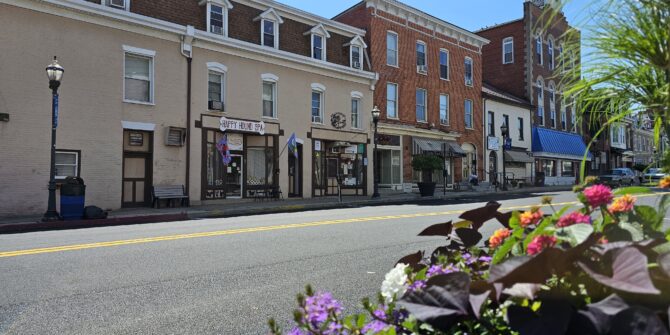
Learn more and download the C&O Canal Explorer Mobile App here!
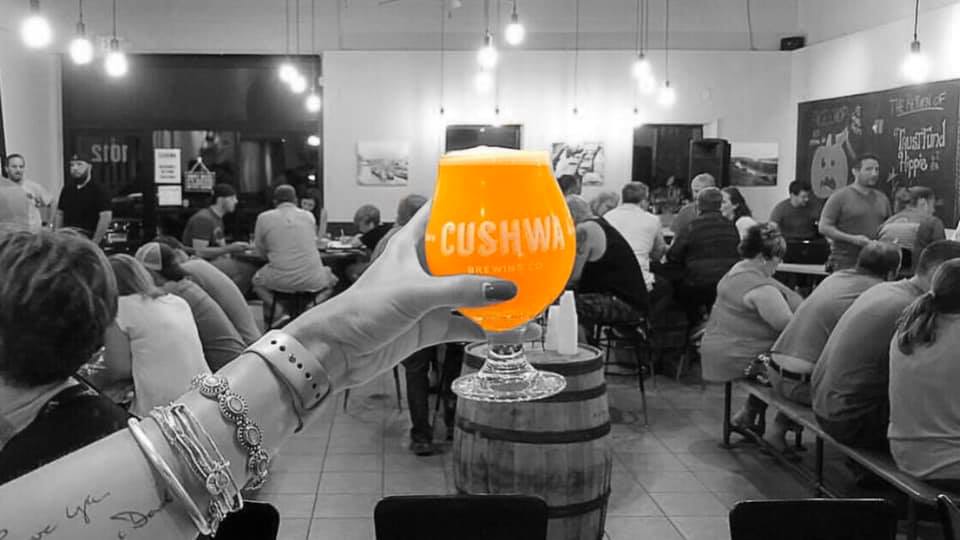
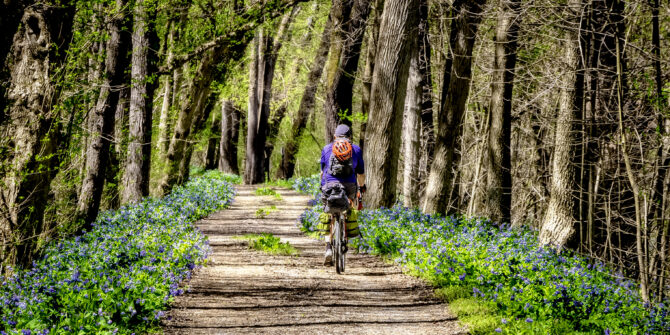
Let's Explore!