
Cumberland
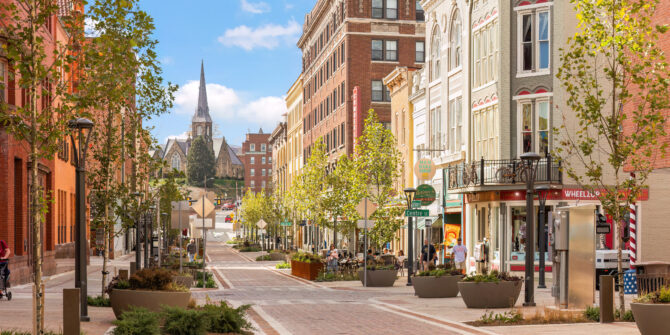
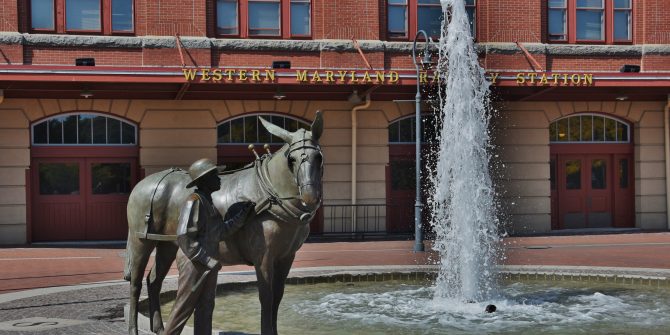
Cumberland is a beautiful town nestled in one of the few natural passable cuts in the Allegheny Mountains of Western Maryland. That mountain gateway made Cumberland a natural transportation hub, driving the growth of the railroad and timber industries and earning it a place as both the starting point of the first National Road (now Route 40) and the western terminus of the C&O Canal. Its historic districts reflect that prosperous past and are listed on the National Register of Historic Places. Today, Cumberland sits at the confluence of two great trails: the C&O Canal National Historical Park and the Great Allegheny Passage, which together form a continuous path from Pittsburgh, PA to Washington, D.C. The town is also home to the Western Maryland Scenic Railway.
In the 19th century, Cumberland was known as the “Gateway to the West”. The Potomac River’s cut through the mountains made the area one of the easiest westward passages. It was here that the C&O Canal, the B&O Railroad, and the National Road formed a transportation triad that helped the city achieve the status of the second largest city in the state and afforded it great prosperity and growth. By the late 20th century, the national economy was struggling, and many of the industries that had moved into the area in the preceding years (glass manufacturing, brewing, tires, steel) closed their doors. City leaders began to focus on tourism, and many small firms helped lead the way to new growth. Today a revitalized downtown and the Canal Place Heritage Park combine to provide an attractive center for services and tourism destinations for travelers arriving by highways or trails.

About the Canal Towns Partnership
Photos by Trust Staff, Jan Branscome, Paul Graunke