
For many fishing enthusiasts, the C&O Canal is a favorite spot to spend a sunny afternoon. Throughout the entire 184.5-mile length, anglers can choose to cast a line in the serene, watered sections of the canal or the varied streams and dams. The park is also uniquely situated near the Potomac River, and many anglers take advantage of this proximity.
The park has a storied history with the Potomac River; without the river, there would not have been a C&O Canal. The Potomac River was largely unnavigable due to its winding and shallow composition. The occasional rapids also made it difficult for boats to travel great distances. In certain sections, like Widewater for example, the canal was built upon the natural, abandoned channel of the Potomac River.
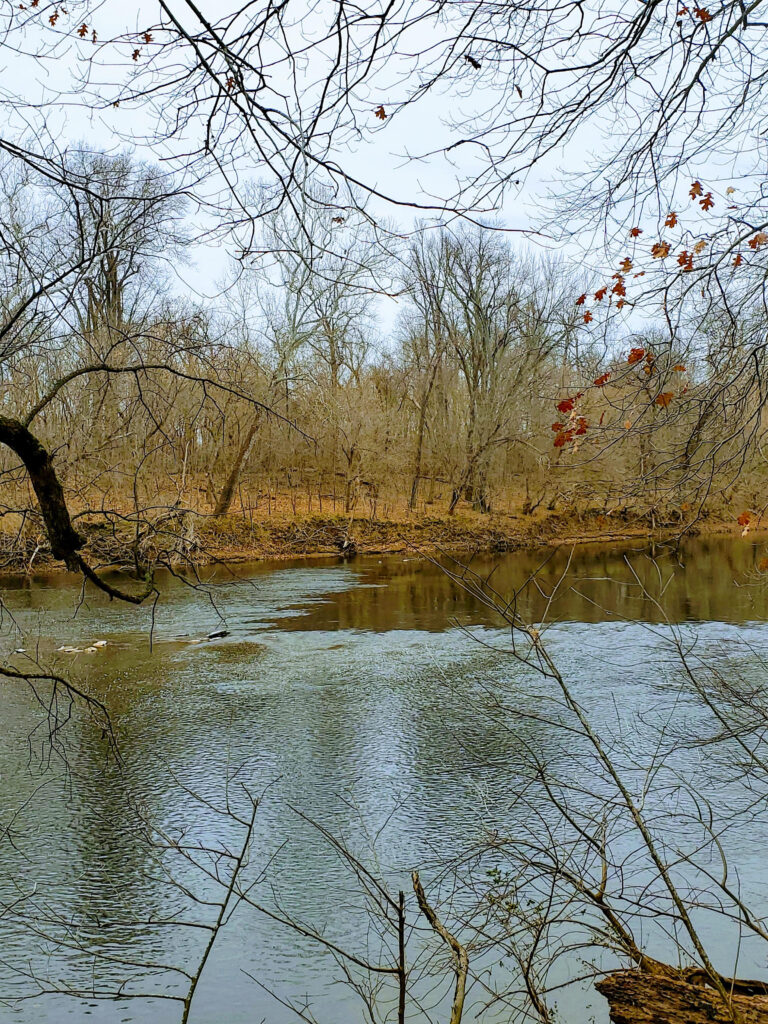
Before the canal existed, however, the Potomac River was visited by indigenous people who fished regularly in its waters. In many areas of the river, visitors may be able to spot evidence of these early anglers.
Fishing weirs are semi-permanent stone structures that native people built to funnel fish into nets or baskets. Shaped in a “V” pattern, fishing weirs relied on the natural movement of the river. In many areas along the canal, visitors can see some of these ingenious structures.
During the canal’s operations, boatmen and their families, who often lived on their canal boats for long stretches at a time, would fish recreationally. They also would supplement their diet with fish caught from the canal.
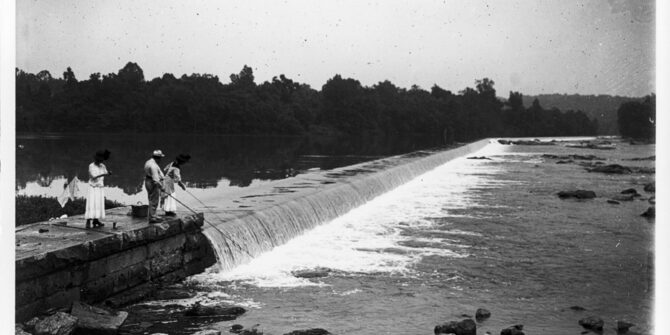
Today, anglers can still enjoy the canal and Potomac River for providing so many areas for fishing and recreation. In 2018 and 2019, it was approximated that there are around 260 streams that run throughout the park, and between 50 – 100 of these streams are park managed.
The National Park Service manages these many streams and tributaries through extensive conservation and preservation efforts. During the summer, the Potomac River becomes quite shallow and very hot. Many fish, looking to escape the heat, are driven into the cooler, shaded canal streams and waters. This phenomenon is called “thermal refuge”.
The C&O Canal National Historical Park, in partnership with the C&O Canal Trust, has been planting native trees and rare, threatened, and endangered plants. These plantings accomplish two things: create that much-needed shade for fish habitats and battle erosion of the riverbanks.
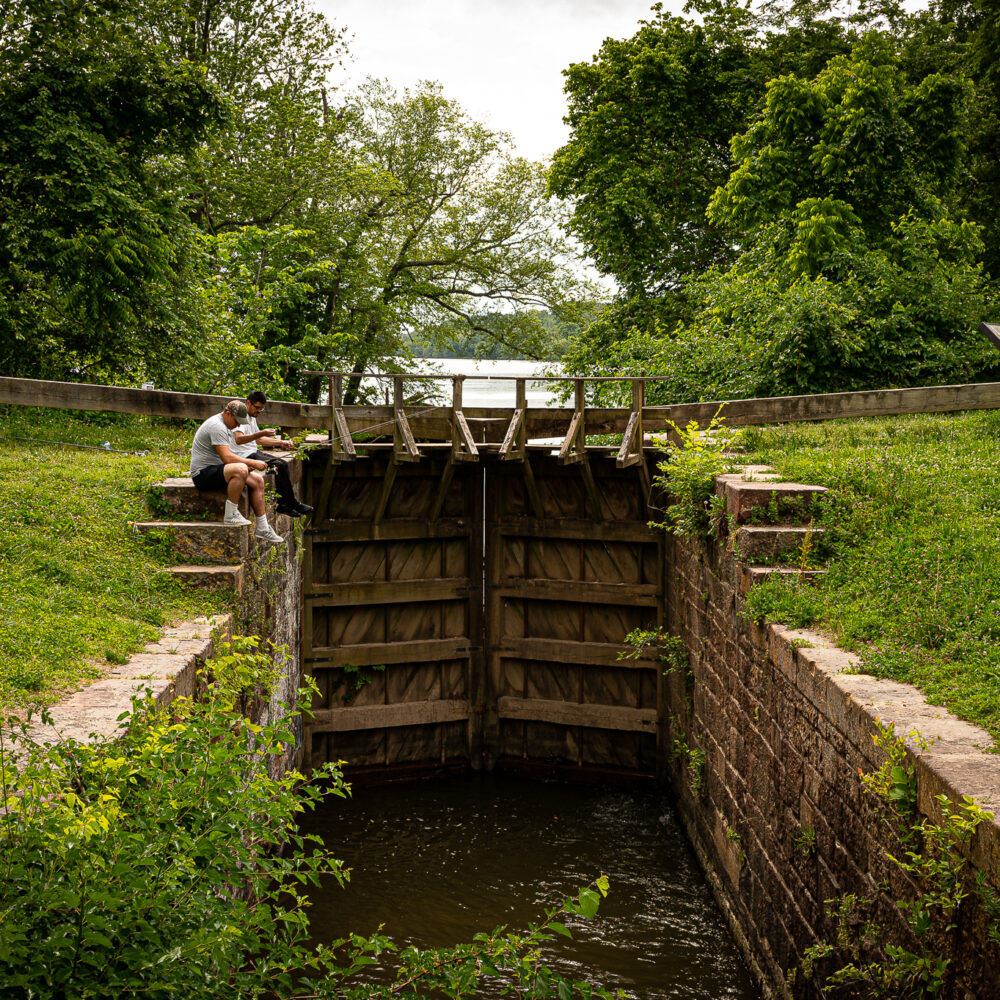
The National Park Service monitors invasive plants that threaten fish and other wildlife ecosystems. For example, Japanese Knotweed is infamous for not only decimating turtle populations in the park, but also for causing significant erosion of the riparian landscape and canal banks.
In addition to invasive plant management, the park monitors invasive fish species. The National Park Service has often teamed up with other entities like Maryland DNR and Fish & Wildlife to maintain invasive fish.
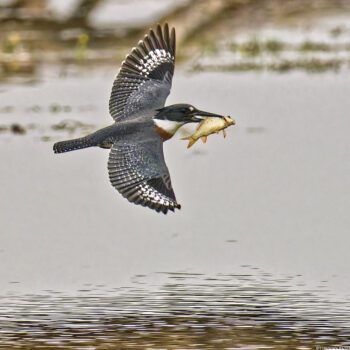
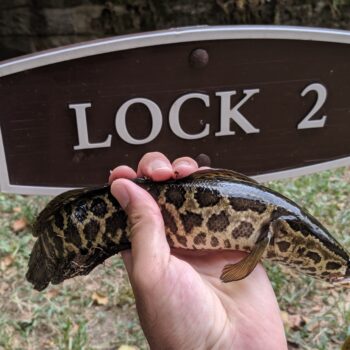
The Northern Snakehead (pictured above, left) and the Blue Catfish are invasive fish species that eat large populations of other native fish.
Other fish species, like the Atlantis and Short-nose sturgeons are considered endangered. The park service’s efforts in protecting the riparian corridor helps to support the resurgence of endangered fish. In some areas of the park, NPS has worked with Fish & Wildlife to build “fishing ladders,” which help facilitate migration of species that may have challenges navigating locks or dams found along the canal.
What Can You Do?
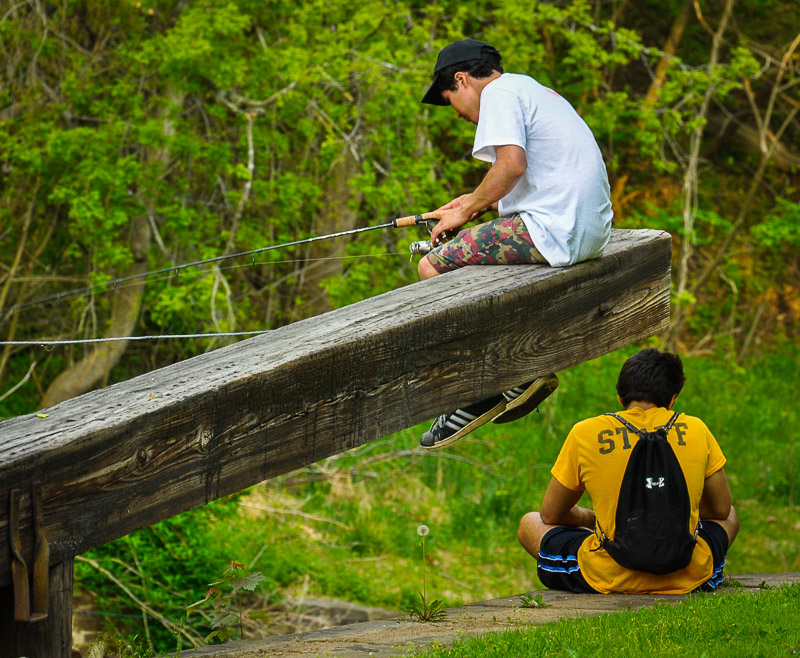
How can you support fish habitats and the natural aquatic ecosystems of the park?
Anglers are encouraged to target invasive fish species, like the snakehead. If you do catch an invasive fish species, do not release it. Fishermen should follow fishing regulations, which vary by state. All visitors should practice Leave No Trace principles to assist in preservation efforts. This means removing all fishing trash, like wire, hooks, bait boxes, etc. when departing from the park. Visitors are also encouraged to keep off social trails, as they fragment the continuous habitat for local wildlife.
Help keep our canal waters and streams clean for future generations to enjoy. Information about fishing licenses can be found here. Happy fishing!
Photo Credits: Paul Graunke, Jon Wolz, Bill Walderman, Timothy Bates, John Jung, and Mike Mitchell