
America’s national parks are more than just beautiful places – they are living legacies that connect us to our history, culture, and natural heritage. As stewards of the C&O Canal National Historical Park, we see firsthand what these landscapes mean to the millions who visit each year — and to the communities who call them home.
But none of this is guaranteed. Enjoying our national parks safely and fully depends on reliable infrastructure — and right now, that future hangs in the balance. To adequately honor our parks and make them accessible for every American, we need Congress to recommit to funding projects that help improve infrastructure and the visitor experience.
While the unique views and historic landmarks are the visuals we all cherish, what really keeps parks open and welcoming are the roads, trails, visitor centers, water systems, and campgrounds or structures that support every experience. Stretched resources and record visitation have left much of this infrastructure at risk and in disrepair.
Since its creation in 2020, the Legacy Restoration Fund (LRF) has transformed what’s possible for national parks — funding repairs in places like Yellowstone, the Grand Canyon, and right here in the C&O Canal.
The bipartisan Great American Outdoors Act (GAOA), signed into law in August of 2020, provided one the greatest sources of funding to the C&O Canal and other sites in the National Park System. Funds reached parks through the LRF, which was established under GAOA and expired at the end of September 2025. The LRF was created to address the massive backlog of deferred maintenance projects present in all national park sites. Deferred maintenance are projects that fall out of the routine scope of planned repairs. Projects become deferred primarily due to the lack of available funds. These projects can be trails, campsites, restrooms, ranger stations, roads, bridges, and other critical infrastructure that supports visitor experiences, but are not supported in the annual operating budget.
Nationally, the LRF allocated $6.5 billion over five years to help ensure that visitors can experience parks safely and fully by addressing deferred maintenance and repairs, while also supporting more than 72,000 direct jobs, infusing over $5 billion into the national labor market, and contributing over $8 billion to the nation’s GDP.
Importantly, this isn’t taxpayer-funded. The LRF is powered by federal energy revenues and actually earns a return through Treasury bonds, supporting the largest investment in public lands in US history. By continuing to distribute funding for maintenance projects across the country, parks can maintain momentum and avoid further project pile-ups that would end up costing more to address.
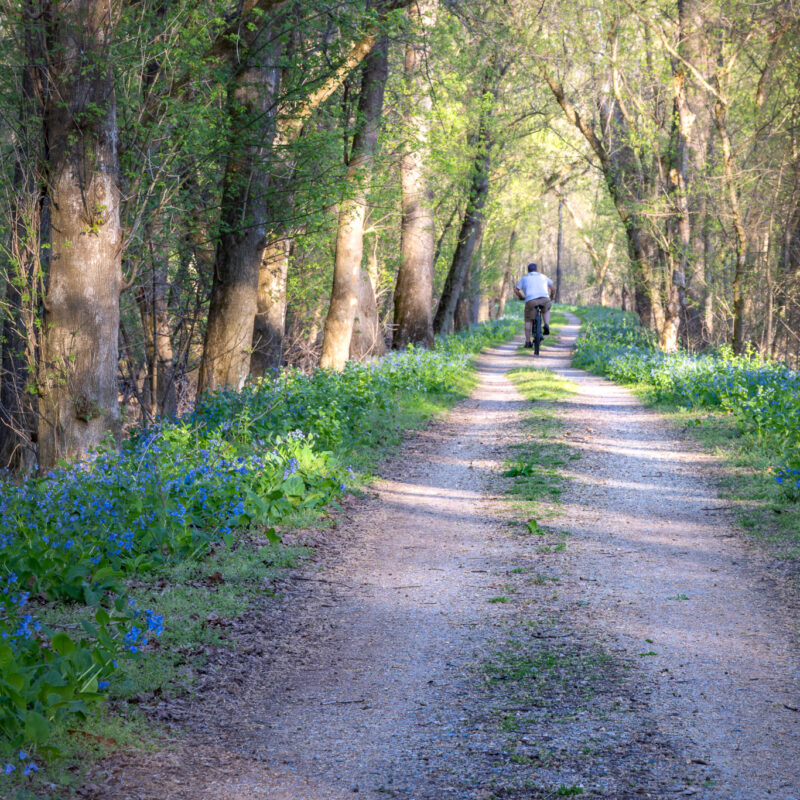
In Maryland, the Legacy Restoration Fund has infused about $100 million into critical projects that maintain park infrastructure and accessibility. The C&O Canal was awarded funding to repair Dams 4 and 5, and the recently completed Log Wall stabilization.
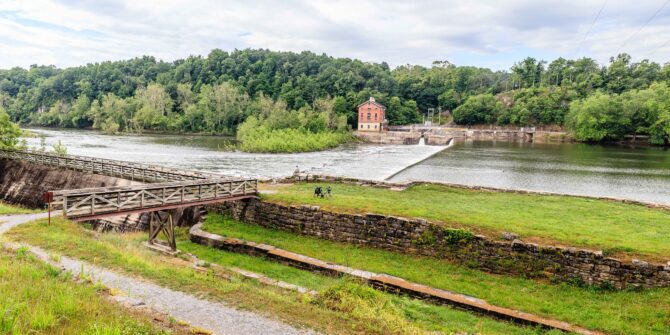
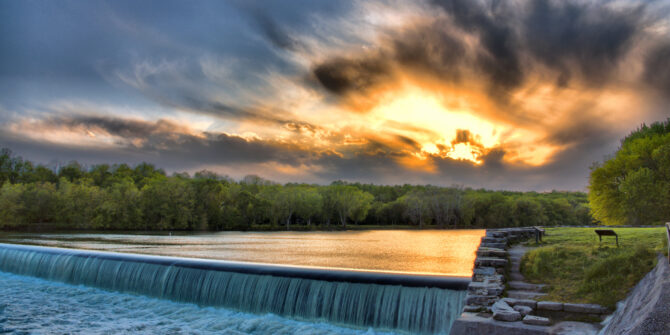
Dam 5, originally constructed in the mid 1800s at Mile 106, was intended to create an area of “slack water” that could be safely diverted to fill the canal. Currently, the dam is beginning to fail – large cracks are visible in the mortar and the entire structure is leaning 9 inches. The LRF allocated $15.6 million to fund repairs that will stabilize the wall and make it resilient to future flooding.
LRF supported the C&O Canal’s Log Wall Stabilization Project that was completed in July 2025. The park was awarded $11.4 million in November 2022 to address the deferred repairs.
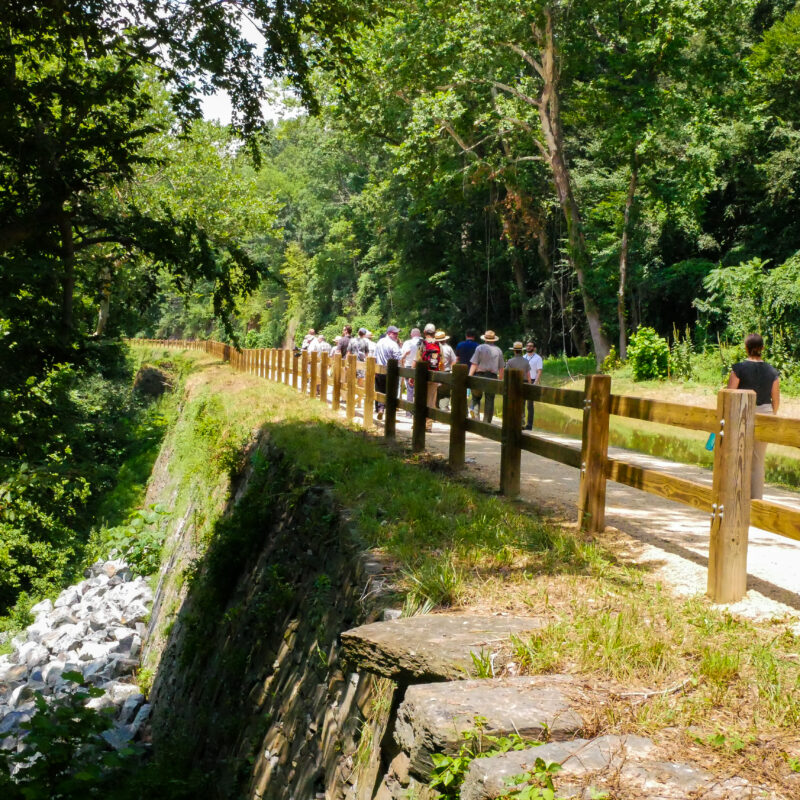
The Log Wall is a stone wall over 1,000 feet long located near Mile 11, originally constructed in the early 1800s, that separates the canal and the towpath from the Potomac River. The project began in 2023, following the formation of sinkholes in 2015 and 2016 above the Log Wall. These sinkholes led to the dewatering and sandbagging of the canal to preserve its structural integrity. The resulting damage left a vital section of the towpath at risk of failure, disrupting the park’s recreational opportunities.
The stabilization project aimed to maintain towpath continuity, restore water flow in the canal prism, mitigate risks to nearby structures, and reduce sediment emptying into the canal. To accomplish these goals, park staff and partners performed stone masonry repairs, removed sediment from the canal, fixed sinkholes, replaced the canal liner, and buttressed the stone wall. The completion of the Log Wall stabilization ensured towpath stability and marked a significant step towards rewatering the canal.
The LRF expired at the end of September — and with it, the progress made. That means more lagging repairs, costlier projects, potential closures, and less safe, enjoyable access for all.
For the C&O Canal, canal towns, and broader region, this isn’t just a parks issue — it’s an economic one. An enjoyable visitor experience to the C&O Canal is key to continued economic growth in our region. Visitors expect to feel safe in the park, to see that its historic assets are reasonably maintained and preserved for future generations, and to have a level of visitor services that ensure a satisfying experience. Funding for national parks must be preserved in order to continue to meet these expectations.
In 2023, visitor spending in gateway communities contributed over $55 billion to the national economy. The C&O Canal receives an average of 4 to 5 million visitors annually, one of the highest visited units in the entire 430+ unit National Park System (typically in the top 20, and #1 for highest visited national historical park). In 2023, 4.5 million visitors to the C&O Canal spent an estimated $96 million in local communities and regions surrounding the park. These expenditures supported a total of 1,240 jobs, $54.7 million in labor income, $90.3 million in value added, and $148 million in economic output in local gateway economies surrounding the C&O Canal.
While we saw a meaningful dent in the outstanding projects throughout the National Park System over the past five years the LRF took effect, many worthy projects remain, made more urgent by record visitation numbers that reached a historic peak of 331.9 million visits in 2024.
As we look towards the 250th Anniversary of the United States of America, we are proud to have supported these projects that preserve our history and provide spaces for recreation, exploration, and learning. Without funds from the LRF, the C&O Canal would not be able to protect these historic structures and ensure the continuous access from Georgetown, in the District of Columbia, to Cumberland in western Maryland. Recognizing the vital role that the LRF played in supporting the C&O Canal and other parks across the nation, the Trust is partnering with the National Park Foundation and other park partners to advocate for the reauthorization of the LRF to help continue to support deferred maintenance and repair projects.
Momentum is expanding to keep this progress going. The America the Beautiful Act, a bipartisan bill supported by lawmakers across the political spectrum in the Senate, would reauthorize the LRF and continue vital repairs across the National Park System. A complementary bipartisan bill was also recently introduced by the House of Representatives, “The Great American Outdoors Act 250”.
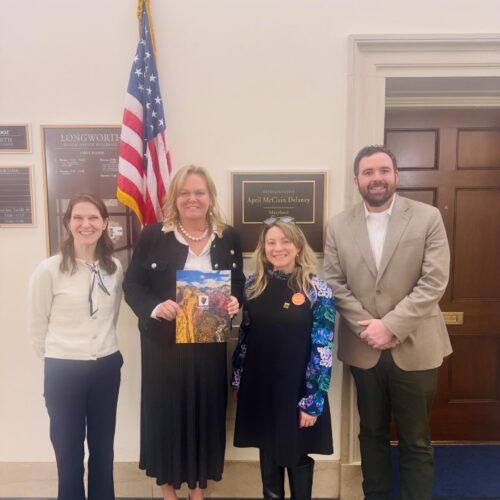
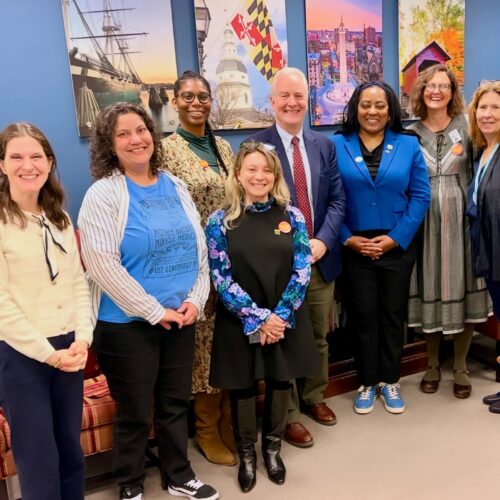
Trust President & CEO, Lauren Riviello, joined the National Park Foundation and over 100 other park partners on Capitol Hill in April 2026 to meet with lawmakers about our national parks. In total, 280+ meetings were held. We were encouraged by the discussions and the support that was expressed for our national parks and reauthorizing the LRF.
Whether you come to the C&O Canal to hike, fish, learn, heal, or work, the future of this park depends on sustained investment. We urge our members of Congress to support the reauthorization of the Legacy Restoration Fund and invest in the infrastructure and assets that keep parks accessible, resilient, and protected for generations to come.