
The C&O Canal National Historical Park is a linear 184.5-mile park that stretches through four Maryland counties and the District of Columbia. At its heart is the towpath — the park’s largest historic structure and a nearly 200-mile continuous trail connecting Georgetown, D.C., with Cumberland, Maryland. Millions of visitors experience the park each year, walking, biking, and exploring the remarkable landscape and history of this early transportation corridor for westward expansion.
Because the towpath is both a historic resource and a heavily used recreational trail, maintaining it requires ongoing care and investment. The National Park Service Towpath Resurfacing Project is focused on protecting the historic integrity and character of the towpath while ensuring that it remains durable, accessible, and resilient for visitors to enjoy today and in the future. Improvements are designed to withstand high-water and flood events while providing a smooth, continuous surface for the hikers, bikers, and other visitors who utilize the towpath every day.
To date, more than 120 miles of towpath have been rehabilitated, representing an investment of more than $10 million. This phased work has been made possible through a combination of generous support from donors to the C&O Canal Trust’s Towpath Forever campaign, NPS investment, and funding through the State of Maryland’s Transportation Alternatives Program (TAP).
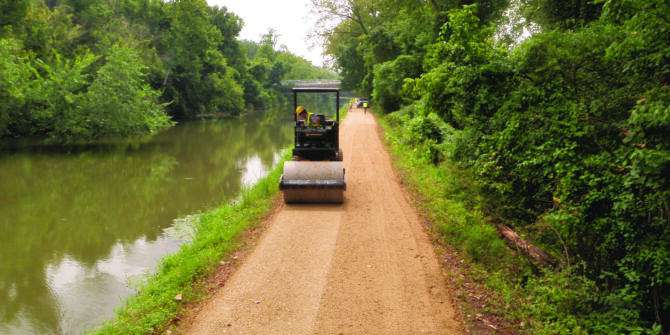
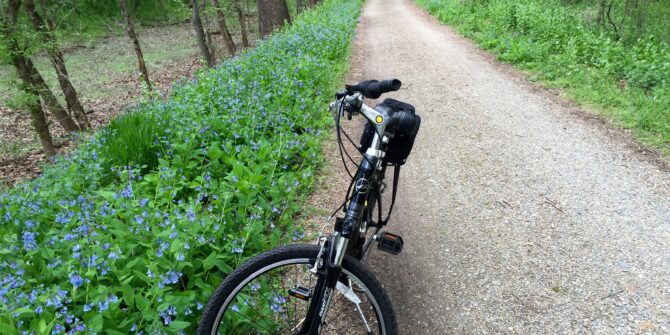
This September, the park reached an important milestone with the award of an additional $1.8 million in TAP funding, matched by $400,000 in NPS transportation funding. This marks the ninth consecutive year that the C&O Canal has received TAP funding, and, importantly, will support the final phase of the current towpath rehabilitation project in Maryland.
The final phase will rehabilitate three sections of the towpath: mile markers 5.02–16.64, 116.04–122.96, and 122.97–124.38. This work represents another significant step toward ensuring that the C&O Canal’s towpath remains a durable, historic, and welcoming trail for the millions of people who come to experience this extraordinary national park.
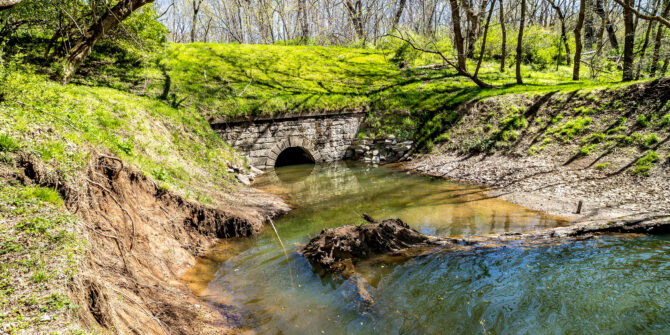
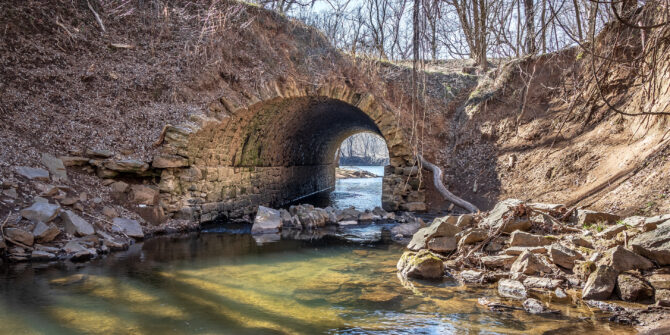
Protecting the towpath also means protecting the historic infrastructure beneath it. Underlying the 184.5-mile towpath, more than 200 culverts were built to pass smaller creeks and streams under the canal and into the Potomac River. Often invisible to visitors as they hike or bike the towpath, these remarkable engineering structures are essential to maintaining the continuity and integrity of the park.
Culverts serve a critical role in managing water and protecting the towpath and canal from flooding, erosion, and other damage. When they are blocked, damaged, or fail, the consequences can extend far beyond the structure itself, threatening the towpath and potentially creating breaks.
The Trust supports the National Park Service in addressing this critical preservation need through its Towpath Forever initiative, which provides funding for historic culvert restoration as well as towpath rehabilitation and trail maintenance. The Trust’s support can help provide expertise, materials, equipment, and other resources needed to advance priority preservation projects, while also helping build public support necessary to protect the park’s infrastructure.
Private philanthropy has played an important role in leveraging public investment for the C&O Canal’s historic treasures. Through the generosity of individual donors, including a $30,000 gift from Lorna Hainesworth, the largest individual gift in support of this effort, the Trust was able to provide critical seed funding for a $100,000 match and successfully leverage that investment to secure a $250,000 Legislative Bond Initiative from the State of Maryland. This is a powerful example of how private support can unlock additional public resources and accelerate preservation of the towpath. Soon, three critical culverts in Montgomery County will be preserved, ensuring a continuous, connected towpath.
Culverts are more than functional infrastructure. They remain a testament to the hard work and ingenuity of the canal’s first builders and are a reflection of the creativity, dedication, and skill of the National Park Service staff who work to preserve them today.
Together, towpath rehabilitation and culvert preservation represent an investment in both the C&O Canal’s past and its future. The work may be seen in a smoother trail beneath our feet or remain largely unseen beneath it, but its impact is experienced every day by the millions of people who walk, bike, explore, and connect with the national park in our backyards. Support from our canal community ensures that we can continue to enjoy the C&O Canal National Historical Park today while providing the resources needed to preserve its historic character, infrastructure, and accessibility for the future.