
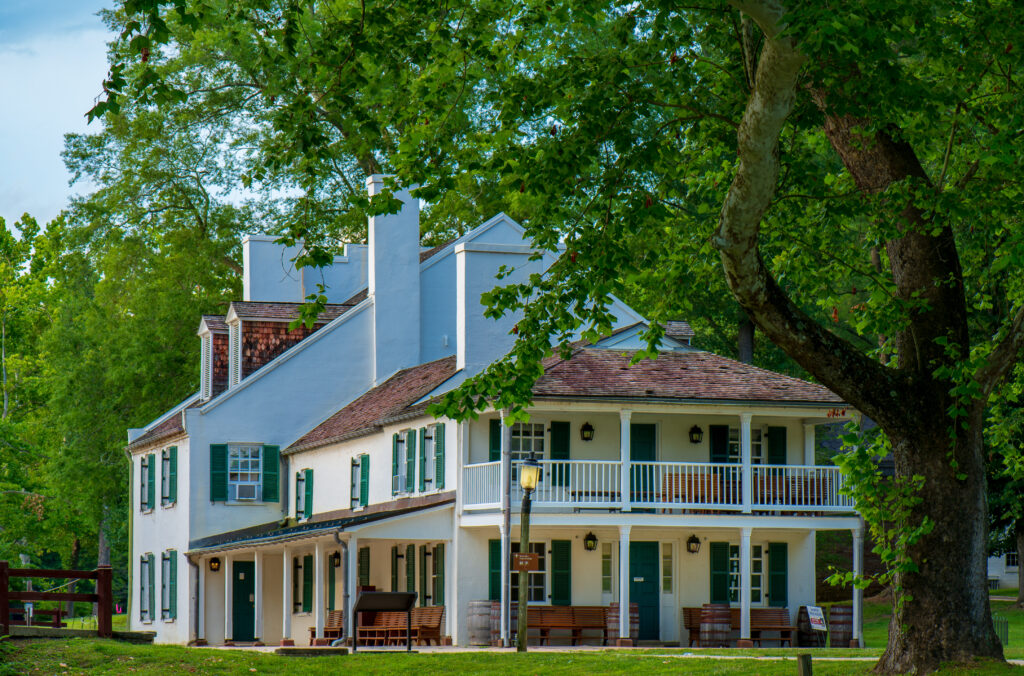
A major tourist attraction, the Historic Great Falls Tavern is situated just a few feet away from the stunning Great Falls of the Mather Gorge, where the Potomac River cascades down a drop of about 76 feet, resulting in an impressive and roaring series of waterfalls. The Tavern has welcomed generations of visitors to one of the most iconic landscapes along the C&O Canal for nearly two centuries and has long served as a gateway to the park — connecting people with the history, natural beauty, and enduring legacy of the canal through exhibits, interpretation, education, and recreation.
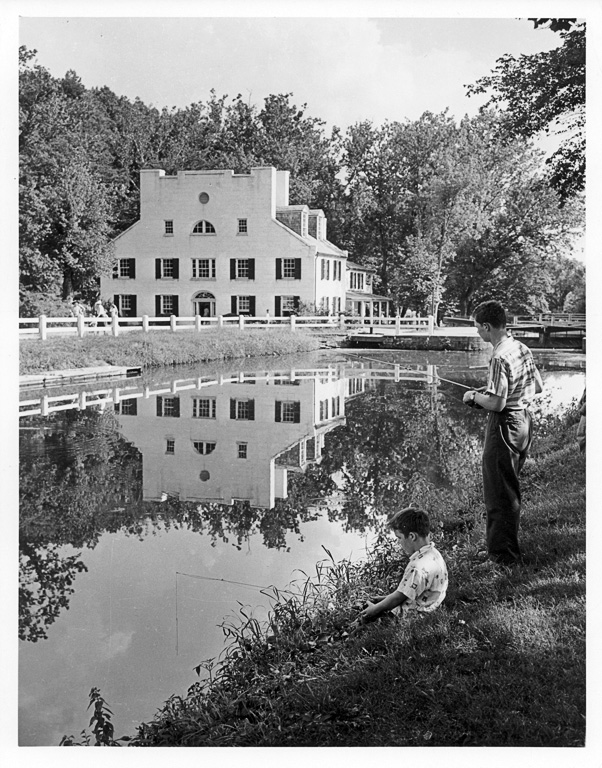
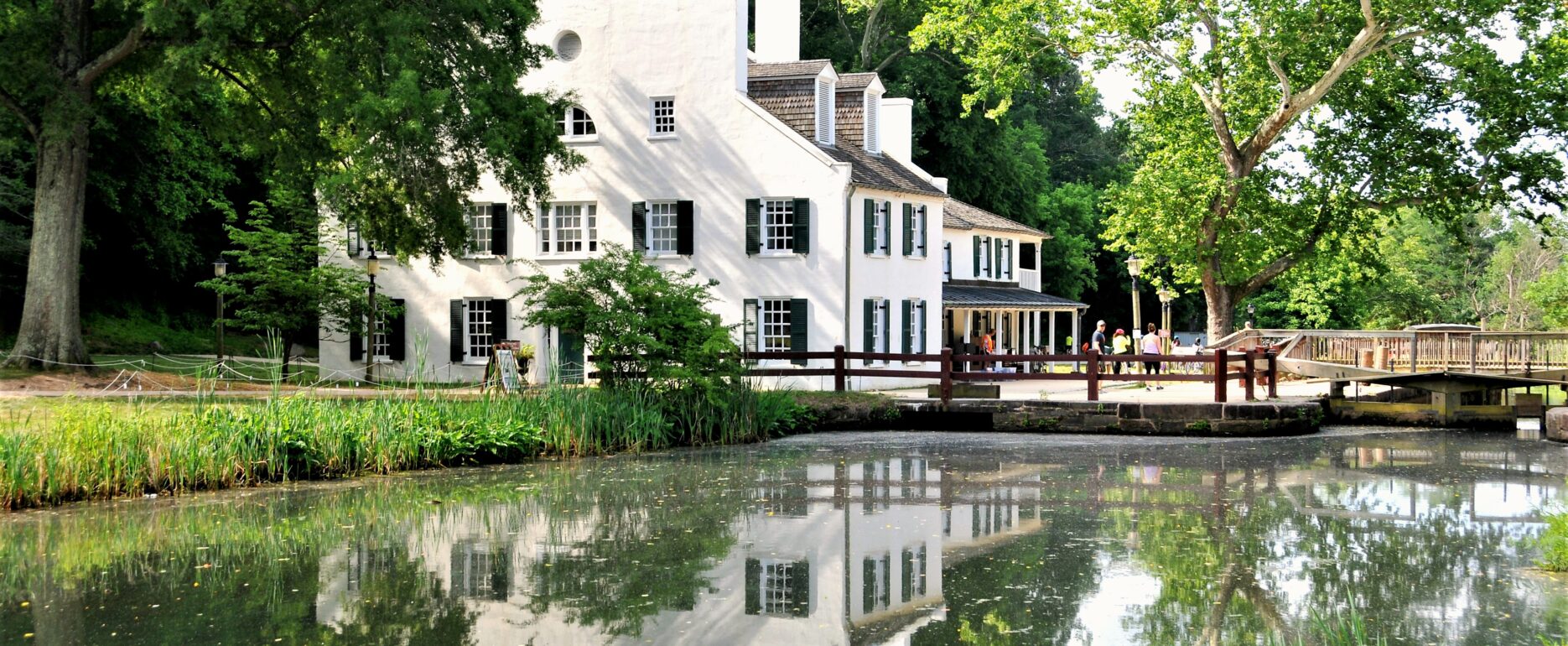
Originally constructed as the Crommelin House in 1831, the building was established to provide lodging, hospitality, and a gathering place for those drawn to one of the nation’s most ambitious infrastructure projects.
The Crommelin House was “‘an excellent hotel, a necessary and great accommodation for those who visit this interesting work’ (the Canal)”. Shortly after the canal’s groundbreaking in 1828, the Lockkeeper of Locks 19 and 20, W.W. Fenlon, proposed an idea to turn the original lockhouse (Lockhouse 12) into a three-story inn that would shelter traveling canal boaters. The Canal Company approved his request, and Fenlon became its innkeeper and opened its doors in 1831. He named it “Crommelin House,” paying homage to the Dutch investors of the canal. It appears that the architecture of the house also was inspired by the Dutch, with a striking “high facade, double chimneys, and welcoming doorway.”
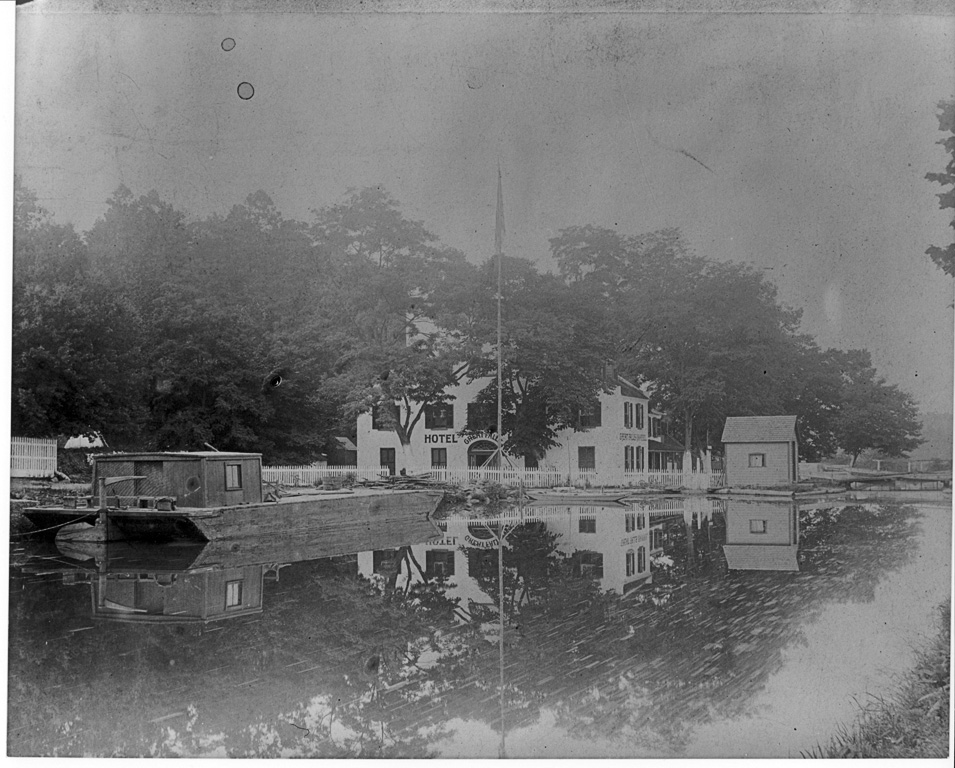
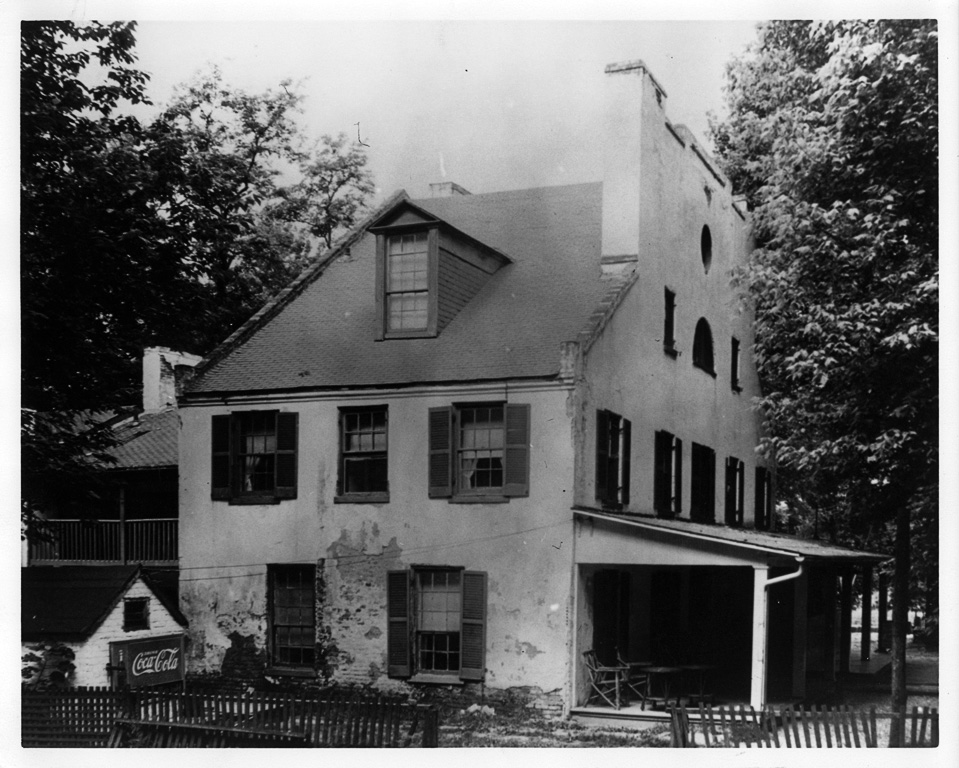
The first floor of the building was a large, welcoming room where many parties and social gatherings took place. The second floor contained men’s and women’s quarters for travelers who planned to stay overnight. Crommelin House was a popular destination for married couples, as the third floor was called the “honeymoon suite.” For just 25 cents, visitors could rent a room on the second floor, and for 50 cents (and proof of a marriage certificate), couples could secure the honeymoon suite.
As the canal’s operations slowed and eventually came to a stop, the Crommelin House transitioned from a hotel to a refreshment stand. In 1938, the National Park Service acquired the building.
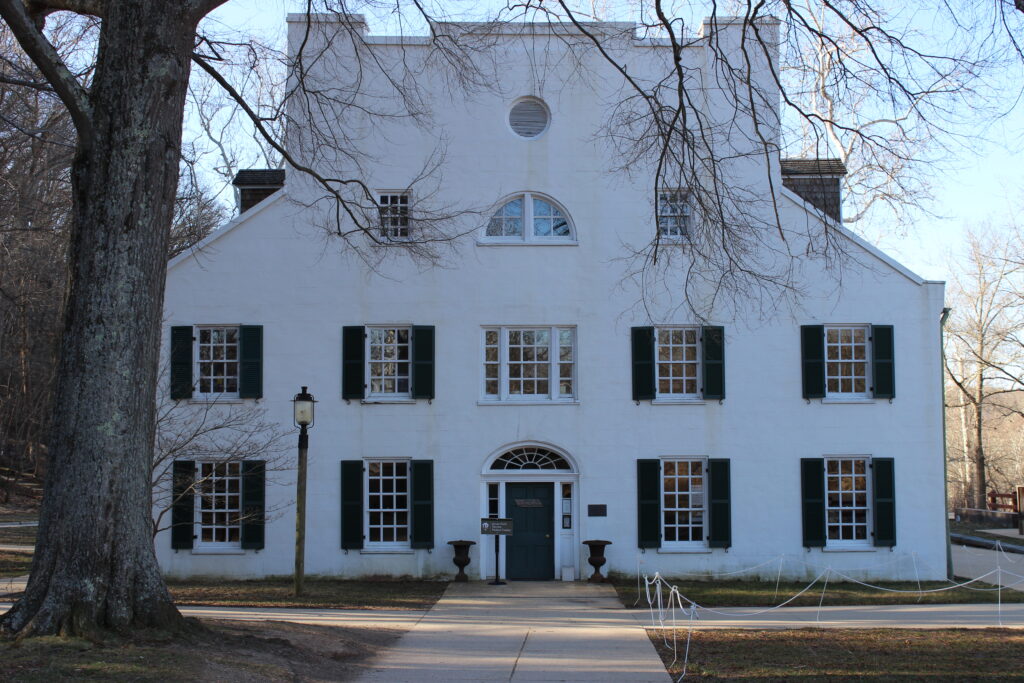
Today, the Tavern continues its role as one of the C&O Canal National Historical Park’s most important visitor destinations, welcoming thousands of people each year to learn about the canal’s history and the communities it served. Visitors can meander through the first floor and explore exhibits that tell the story of the canal and the people who once traveled through locks on boats piled high with goods for neighboring communities.
As we mark the milestone 250th anniversary of the United States of America, the nearly 200-year-old C&O Canal stands as a powerful reminder of our nation’s early industrial growth, westward expansion, and the ingenuity that shaped the country’s development. Preserving the Historic Great Falls Tavern ensures that future generations will continue to experience this remarkable story in the place where it unfolded.
To help secure the Tavern’s future, the C&O Canal Trust is proud to partner with Preservation Maryland and the National Park Service to support the long-term preservation and rehabilitation of this treasured historic landmark. The Trust is launching a major philanthropic campaign to fund critical preservation work while strengthening the Tavern’s role as a vibrant destination for visitors, educational programming, and public engagement.
The first phase of preservation efforts is planned to begin this year with early rehabilitation projects made possible through the longstanding stewardship of the Friends of the Historic Great Falls Tavern. For more than 50 years, the Friends championed the preservation of this beloved structure, laying the foundation for the work now being carried forward by the Trust. Their legacy, together with the generosity of individual donors, has made these initial projects possible and represents the first step in a broader effort to ensure the Tavern remains a welcoming centerpiece of the park experience for decades to come.
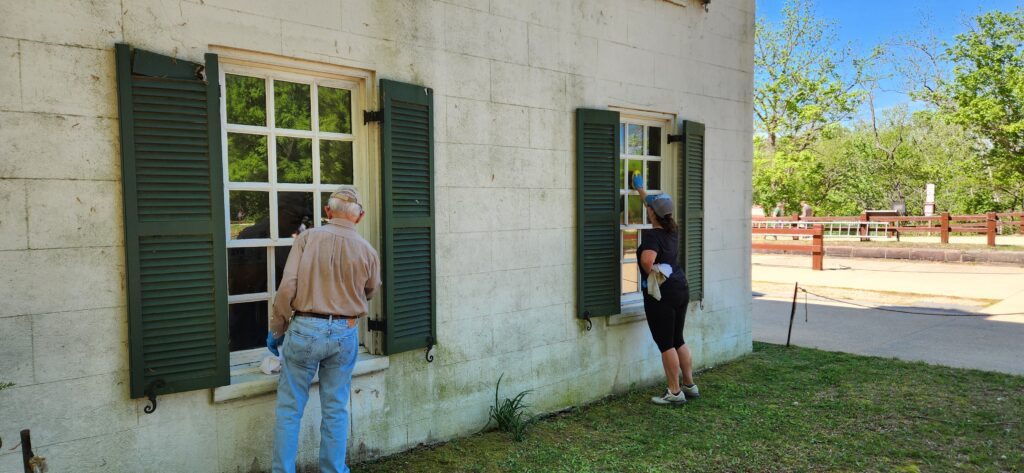
The campaign will officially launch at Park After Dark on September 19, where the Historic Great Falls Tavern will be featured as the event’s Spotlight Fund. Through this campaign, supporters will have the opportunity to invest in preserving one of the C&O Canal’s most recognizable landmarks while helping ensure it continues to inspire discovery, recreation, and learning for future generations.
Be the first to hear directly from the leadership of the Trust, Preservation Maryland, and the National Park Service about the early projects and to support the campaign to preserve the iconic Tavern at Park After Dark.
Sources:
Crommelin House – Chesapeake & Ohio Canal National Historical Park (U.S. National Park Service)
Great Falls Tavern Historical Marker Database
Photo Credits: NPS, Anni Hultsch, Vinod Thomas, Chris Novick, and Efrain Vargas