
Towpath Forever
The C&O Canal’s 184.5-mile-long towpath travels from Georgetown, in the District of Columbia, to Cumberland, Maryland, and is the heart of the C&O Canal National Historical Park. Through the Towpath Forever Initiative, the Trust raises funds to preserve towpath continuity, its historic structures, and the improvement of visitor experience along this key component of Maryland’s transportation trail network. The Towpath Forever Initiative is critical to maintaining the integrity, public enjoyment, and connectivity of this important transportation and recreational resource, including major access points, such as the Capital Crescent Trail.
Towpath Forever encourages philanthropy and volunteerism to ensure the towpath and the park’s historic structures are repaired and kept in good condition; lifelong stewards are created through educational programming; and recreational opportunities are enhanced. Funds through Towpath Forever include support for historic culvert restoration, towpath rehabilitation, preservation of historic structures, and trail maintenance.
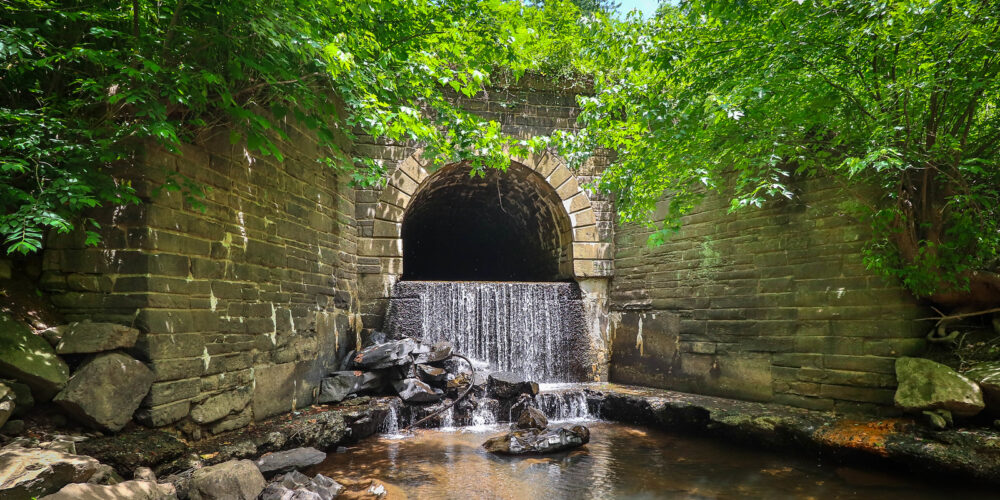
Underlying the 184.5-mile C&O Canal towpath, more than 200 culverts were built to pass smaller creeks and streams under the canal and into the Potomac River. These engineering marvels may not be readily seen as we bike and hike the trails, but they are critical for towpath continuity. Culverts are an integral part of the C&O Canal’s historical, cultural, and recreational resources. They remain a testament to the hard work and ingenuity of the canal’s first builders and are a reflection of the creativity, dedication, and skill of the National Park Service staff today.
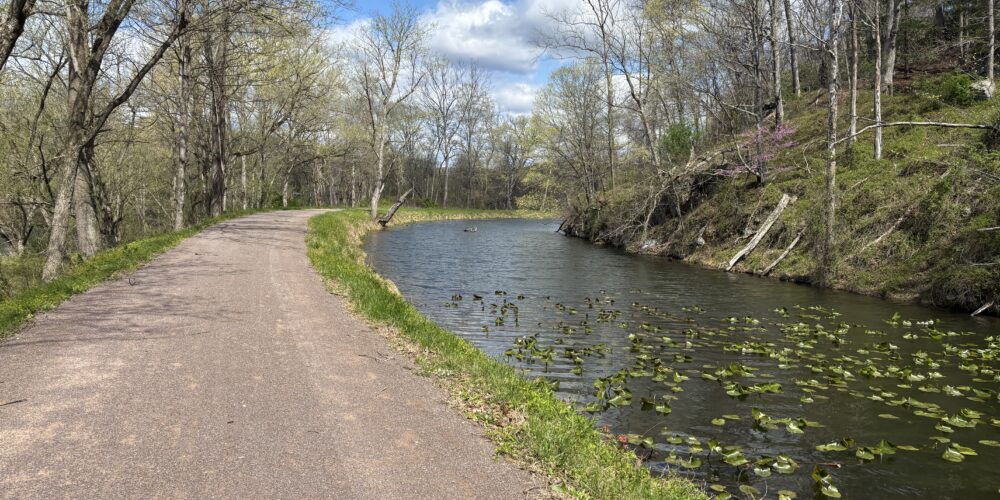
Folks walking and biking along the rehabilitated miles of towpath are enjoying a whole new experience – gone are the rocks, roots, and ruts, gone the erosion and washouts, gone the deep muddy wallows. Instead, a smooth, firm resurfaced towpath carries visitors safely and trouble-free along the C&O Canal. Since 2018, when the project first began, the Trust, in partnership with the National Park Service and the State of Maryland’s Transportation Alternatives Program (TAP), has rehabilitated over 120 miles of the towpath.
Preserving the park starts with the towpath. Help secure towpath continuity by supporting our Towpath Forever Initiative.
Questions? Please contact our development team at [email protected].
FREQUENTLY ASKED QUESTIONS
Will the whole towpath be rehabilitated?
Following an engineering study done in 2016 with the assistance of the Allegheny Trail Alliance (ATA), the towpath was identified as urgently needing rehabilitation. The park has plans to resurface the towpath in sections, with priority on areas where conditions of the trail have been most affected by potholes, drainage issues, roots, etc.
Which sections of the towpath have been identified for rehabilitation?
- Edwards Ferry (mile 30) to Whites Ferry (mile 35) and Brunswick (mile 54) to Ferry Hill (mile 72.5) – COMPLETE
- Whites Ferry (mile 35) to Brunswick (mile 54) – COMPLETE
- Violette’s Lock (mile 22.12) to Edwards Ferry (mile 30) – COMPLETE
- Ferry Hill (mile 72.5) to Big Slackwater (mile 86.7) – COMPLETE
- Western Maryland Rail Trail Towpath Connector (mile 137.8 – 140.7) – COMPLETE
- Paw Paw Tunnel (mile 156) to Spring Gap (mile 173) – COMPLETE
- Big Pool (mile 112) to Licking Creek (mile 116) – COMPLETE
- Spring Gap (Mile 173) to Cumberland (Mile 184.5) – COMPLETE
- Hancock (mile 123) to Paw Paw Tunnel (mile 155) – Current Project
- Lock 42 (mile 89.0) to McCoys Ferry (mile 110.4) – Future Project
Where can I find the most updated information about towpath rehabilitated?
We do our best to update this page with the latest information, but we acknowledge that may be delayed in posting updates on completed on ongoing projects. For more information on the most recent projects, check the park’s Current Conditions page.
What will the rehabilitation involve?
- Removal of rocks, tree roots, and other obstacles.
- Removal of grassy median strip.
- Grading of towpath to facilitate water runoff.
- Re-surfacing with the same crushed stone dust on the Great Allegheny Passage (GAP).
What is the benefit of the new crushed stone dust surface?
The gravel over clay surface, which constitutes the current towpath surface, holds water and is prone to muddiness when wet. Crushed stone dust, particularly on a properly graded surface, does not retain water and hardens with use, making it less likely to erode and rut. It is also easier to maintain over time.
How is the work being funded?
To date, $10 million has been invested in rehabilitating the C&O Canal’s historic towpath. This ongoing, phased effort has been made possible through a partnership of public and private investment, including generous support from donors to the C&O Canal Trust’s Towpath Forever campaign, funding from the National Park Service, and grants through the State of Maryland’s Transportation Alternatives Program (TAP).
How is the C&O Canal Trust supporting the towpath rehabilitation project?
The Trust raises funds to support engineering consulting, supplies and materials, equipment, and other support services. The Trust also rallies support from canal enthusiasts to help advocate for ongoing TAP funding.
What can I do to help?
Make a donation to our Towpath Forever Initiative.