A Lockkeeper’s Winter

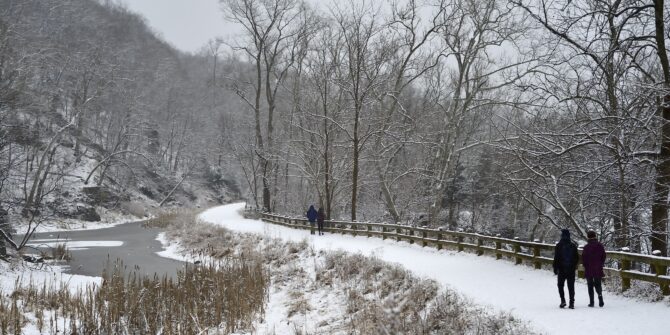
In this season, the park looks different as wildlife migrate south, streams freeze, and visitors spend more time at home. There is still much to be discovered during a C&O Canal winter; without the leaves and greenery of summer, locks, lockhouses, and other historic structures shine on the landscape of the park. These seasonal changes help expose the intricacy of the canal prism itself. 
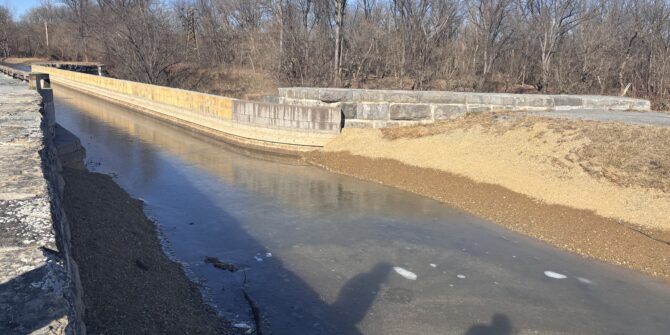
Each winter, the canal water is drained to help protect the historic prism and other canal features from freeze/thaw. This process uncovers structures that are usually hidden, showcasing the remarkable efforts of the canal’s many caretakers. Engineers also built the C&O Canal lockhouses which were designed to provide comfort during the cold winter months.

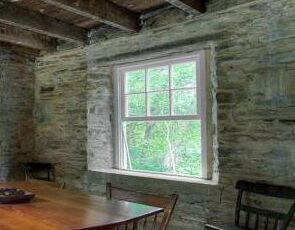
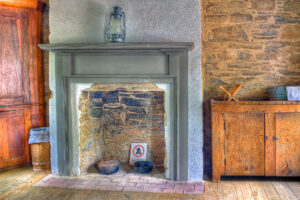
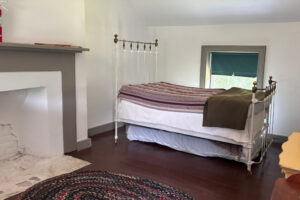
Lockhouses were built with local brick or stone and walls were 20 inches thick. Comparatively, the average thickness of an exterior wall today is between six to eight inches. The thick stone walls were effective in trapping heat indoors, providing warmth for lockkeepers and their families. Each ground floor room was equipped with a fireplace, and additional fireplaces or hearths could be added on the upper levels.

During the winter, the C&O Canal closed, and some lockkeepers worked other seasonal jobs during that time. Their salary was annual, so they were paid throughout the year, similarly to a teacher during the summer break! Children had the opportunity to attend starting in November or December. However, they would get pulled out in April to work with their families, giving most canal children a limited education.

Most of the boat captains and their families would dock their boats docked on dry land or in the empty canal and had other residences they inhabited during the winter. Similarly, the mules moved into their winter quarters, with many residing in the Mule Barn at Four Locks. Much like today, the water levels were lowered to protect the canal for the next spring. In this slower season, we are grateful for the park’s beauty and the insights it shares about early transportation and communities along the Potomac River.

Want to learn more about life on the canal? Check out this story from a Canaller!

https://www.nps.gov/choh/learn/historyculture/canallerinterviews.htm

Photo credits: Richard Steinlen, Turner Photography, and Trust Staff

Make a Gift

Let's Explore!