
As we welcome the new year, we also celebrate the 250th anniversary of the United States of America. This year offers numerous opportunities to reflect on and commemorate this significant milestone, particularly for those of us at the C&O Canal Trust. Our local national park, the C&O Canal National Historical Park, tells the story of early transportation and westward expansion in our nation.
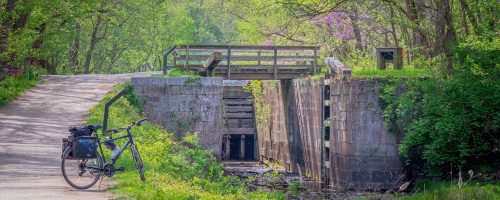
Construction of the C&O Canal began in 1828, but the vision for a canal system connecting the Potomac River to the Ohio River originated with George Washington and Thomas Jefferson in 1784. This dream, nearly as old as the nation itself, was completed in 1850 and opened up trade and growth to western Maryland. Today, the park allows us to journey back in time through over 1,300 historic structures that are nearing 200 years old. We celebrate the successes of the canal and the challenges it faced during construction and operation, reflecting on the resilience and determination of canal builders.
After the operations ended on the C&O Canal in 1924,the waterway, once essential for transporting coal, flour, and iron, quickly fell into disrepair. In need of heavy maintenance, the canal found support through a Great Depression era initiative – the Civilian Conservation Corps (CCC). Living in dedicated, on-site CCC camps, these workers took on a variety of large-scale projects, many of them in national parks. One such project was the restoration of 22 miles of the lower C&O Canal. The CCC removed overgrowth, rocks, and debris. They repaired breaches, stored locks, and resurfaced the towpath. The CCC’s work created new life for the C&O Canal and began its transformation into a national park.
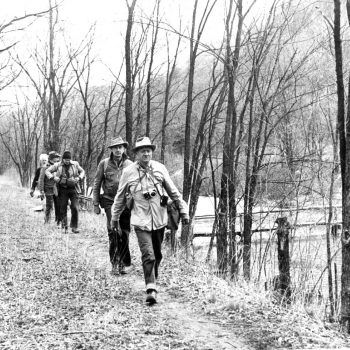
In 1971, the C&O Canal National Historical Park was established through the efforts of many advocates, including Supreme Court Justice William O. Douglas. Douglas was a champion for the canal when a proposal to turn it into a parkway, like Skyline Drive, was submitted. This idea was endorsed by The Washington Post in 1954, and Douglas challenged the editors to walk with him the entire length of the towpath. Nine editors made the entire journey from Cumberland, and The Post revised their plan—recommending a parkway alongside the towpath.
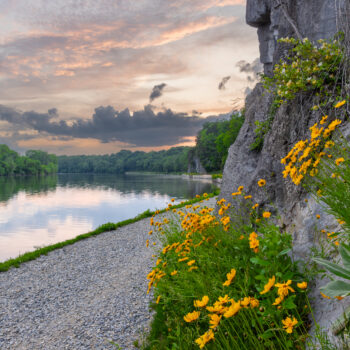
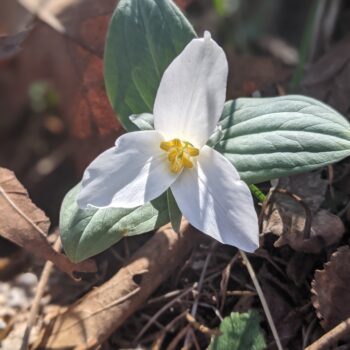
Through the National Park Service System, the focus of the C&O Canal expanded to encompass natural resource conservation and recreation. The park contains some of the most biologically important areas in our region and sustains critical plant and wildlife species throughout the Chesapeake Bay. The C&O Canal captures much of what defines the United States; our history, natural wonders, and vibrant local communities Today, millions of visitors travel to the park each year to traverse trails, marvel at locks, and admire picturesque scenery. The park sustains Canal Towns that carry the legacy of canal operations and provide essential services. In 2026, we will commemorate 250 years of stories, community, and adventures at the C&O Canal. We invite you to join us this year as we remember our past and look towards another 250 years of learning, exploration, and connection in the park.
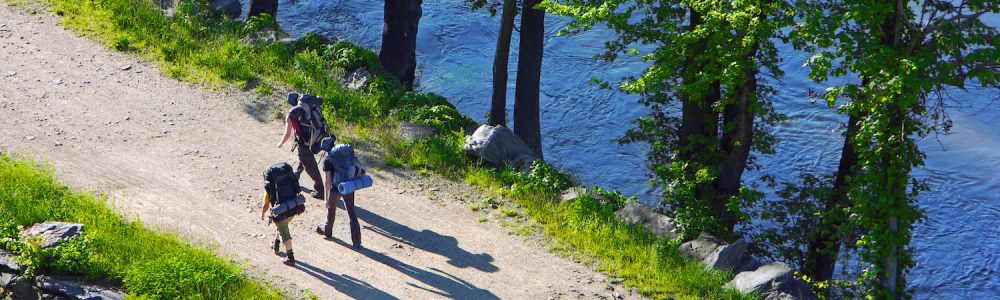
Photo credits: Efrain Vargas, Paul Graunke, Kelly Hilton, NPS, Leigh Scott and Jim Kirby